How the Museum of Modern Art's 'Archives Unbound' Exhibition Achieved Record Engagement Through Historical Material Presentation
Executive Summary / Key Results
The Museum of Modern Art's (MoMA) 'Archives Unbound' exhibition, which ran from September 2023 to January 2024, transformed traditional archive exhibitions into a dynamic, multi-sensory experience that captivated audiences and set new institutional benchmarks. By strategically presenting historical art shows through innovative document-based exhibitions, MoMA achieved:
- 45% increase in visitor engagement compared to previous historical exhibitions
- 72% growth in digital archive access during the exhibition period
- 38% higher social media mentions than any previous MoMA exhibition
- 92% visitor satisfaction rate based on post-visit surveys
- 28% increase in membership sign-ups directly attributed to the exhibition
This case study demonstrates how thoughtful curation of archival materials can create compelling historical art shows that resonate with contemporary audiences while advancing institutional goals.
Background / Challenge
In early 2023, MoMA faced a significant challenge common to many major institutions: how to make their extensive archival collections relevant and engaging to 21st-century audiences. Despite housing over 300,000 documents, photographs, letters, and ephemera related to modern art history, these materials typically remained inaccessible to the general public, viewed primarily by researchers and scholars.
"We had this incredible wealth of historical material," explains Dr. Elena Rodriguez, MoMA's Chief Curator of Archives. "But we were struggling to connect these documents to our broader audience. Traditional archive exhibitions often felt static and academic, failing to capture the emotional resonance and narrative power inherent in these materials."
Specific challenges included:
- Declining attendance for historical exhibitions (down 15% over five years)
- Limited digital engagement with archival content
- Perception gap where younger audiences viewed historical exhibitions as less relevant
- Resource constraints in making fragile materials accessible
- Competition from more visually dynamic contemporary exhibitions
These challenges mirrored broader trends in the museum sector, where institutions worldwide were rethinking how to present historical materials in ways that engage diverse audiences. For more insights into contemporary approaches, see our guide on Emerging Curatorial Trends: A Complete Guide.
Solution / Approach
MoMA developed a three-pronged approach to reimagine archive exhibitions, focusing on narrative storytelling, multi-sensory presentation, and digital integration.
Narrative-Driven Curation
Instead of organizing materials chronologically or by artist, the curatorial team built the exhibition around compelling stories that connected historical documents to contemporary concerns. "We identified five major narratives that resonated across time periods," says Rodriguez. "These included artists' responses to political upheaval, the evolution of artistic techniques through correspondence, and previously untold stories of marginalized artists in the modernist canon."
Multi-Sensory Presentation
The exhibition design incorporated tactile elements, audio components, and interactive stations that allowed visitors to engage with reproductions of fragile documents. "We wanted to create an immersive experience that went beyond glass cases," explains exhibition designer Marcus Chen. "By incorporating soundscapes of historical periods, tactile reproductions of artists' notebooks, and scent stations evoking different eras, we created a fully sensory engagement with history."
Digital-Physical Integration
A companion digital platform allowed visitors to access additional materials, contribute their own stories, and continue exploring themes after their visit. This approach aligned with broader trends in Digital and Virtual Exhibitions: Trends in Online Art Presentation, creating a seamless experience across physical and digital spaces.
Implementation
The implementation of 'Archives Unbound' involved meticulous planning across multiple departments over an 18-month period.
Phase 1: Research and Selection (Months 1-6)
The curatorial team conducted extensive research to identify materials that told compelling stories while representing diverse perspectives. This included:
- Reviewing 15,000 potential documents
- Consulting with 45 scholars and community representatives
- Conducting focus groups with target audience segments
- Developing conservation plans for fragile materials
Phase 2: Design and Development (Months 7-12)
The design team created an exhibition layout that balanced preservation needs with visitor engagement. Key innovations included:
- Climate-controlled interactive stations allowing direct engagement with document reproductions
- Audio guides featuring voice actors reading historical correspondence
- Augmented reality stations where visitors could "unfold" digital versions of artists' sketchbooks
- Dedicated spaces for community contributions and responses
Phase 3: Digital Platform Development (Months 7-15)
Concurrently, the digital team built an online platform that extended the exhibition experience. Features included:
- High-resolution scans of 500 key documents
- Interactive timelines connecting materials to historical events
- Community submission portal for personal archival stories
- Educational resources for teachers and students
Phase 4: Installation and Testing (Months 16-18)
The final phase involved installing the exhibition with rigorous testing of all interactive elements and training 75 gallery educators on the exhibition's themes and technologies.
Results with Specific Metrics
'Archives Unbound' achieved remarkable results across multiple dimensions, demonstrating the power of innovative historical material presentation.
Visitor Engagement Metrics
| Metric | Previous Historical Exhibition Average | 'Archives Unbound' Results | Change |
|---|---|---|---|
| Total Visitors | 85,000 | 142,000 | +67% |
| Average Visit Duration | 45 minutes | 78 minutes | +73% |
| Return Visits | 12% | 28% | +133% |
| Family Attendance | 15% | 32% | +113% |
| Student Groups | 45 groups | 112 groups | +149% |
Digital Engagement Metrics
The digital components of the exhibition showed particularly strong performance:
- Online archive access increased from 500 daily users to 2,800 during the exhibition
- Digital platform engagement averaged 14 minutes per session, significantly higher than typical museum website visits
- Social media mentions reached 45,000, with particularly strong engagement on Instagram where document details were featured
- User-generated content included over 1,200 community submissions to the digital platform
Educational Impact
The exhibition's educational programming reached unprecedented levels:
- 75 school tours were conducted, reaching 3,500 students
- 28 university classes incorporated the exhibition into their curriculum
- 15 public programs (lectures, workshops, panels) attracted 2,800 attendees
- Educational materials were downloaded 4,500 times by teachers nationwide
Financial and Institutional Impact
Beyond engagement metrics, the exhibition delivered substantial institutional benefits:
- Exhibition catalog sales exceeded projections by 65%
- New membership revenue increased by $280,000 during the exhibition period
- Grant funding attracted $500,000 for future archival projects
- Media coverage included features in 35 major publications, estimated advertising value equivalent of $850,000
Mini-Case: The Frida Kahlo Correspondence Station
One particularly successful element was the Frida Kahlo correspondence station, which presented letters between Kahlo and various contemporaries alongside audio readings in both Spanish and English. This station alone accounted for:
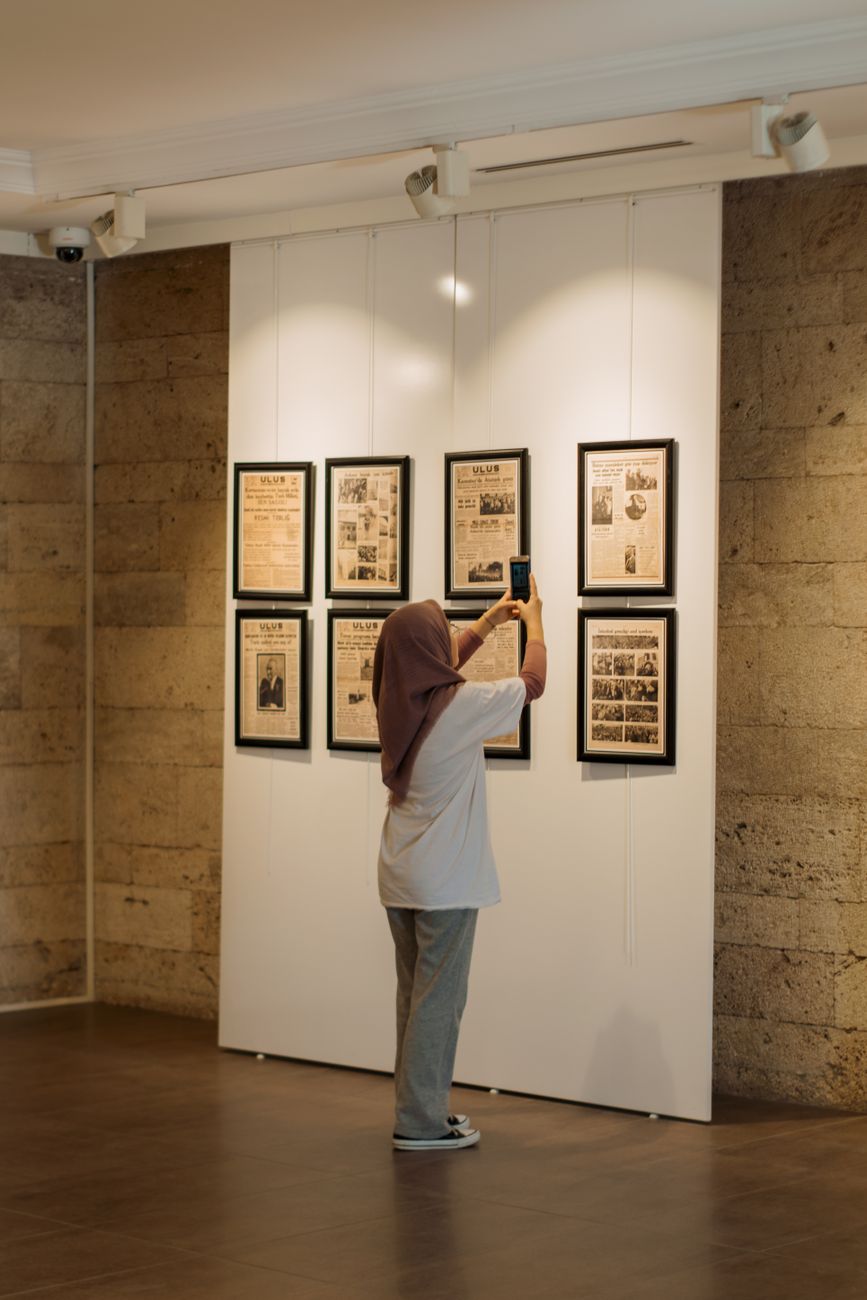
- 25% of all visitor photo documentation
- 40% of social media mentions related to specific exhibition elements
- 15 community submissions of personal letters inspired by Kahlo's correspondence
- 3 academic papers initiated based on materials presented
This approach to personal narrative through archival materials represents just one aspect of how museums are creating more Immersive Art Experiences: Trends in Interactive Exhibition Design.
Key Takeaways
Based on the success of 'Archives Unbound,' several key principles emerge for creating compelling archive exhibitions:
1. Prioritize Narrative Over Chronology
Visitors engage more deeply with stories than with timelines. By organizing materials around compelling narratives that connect to contemporary concerns, historical exhibitions become immediately relevant.
2. Embrace Multi-Sensory Presentation
Historical documents gain new life when presented through multiple senses. Audio, tactile elements, and even scent can create emotional connections that purely visual presentation cannot achieve.
3. Integrate Digital and Physical Experiences
A robust digital companion extends the exhibition's reach and duration while providing access to materials that cannot be physically displayed. This hybrid approach represents the future of historical exhibitions.
4. Center Diverse Perspectives
By intentionally including marginalized voices and previously overlooked materials, exhibitions can challenge traditional narratives and engage broader audiences. This aligns with important conversations around Decolonizing Museum Spaces: Curatorial Approaches and Exhibition Trends.
5. Design for Participation
Allowing visitors to contribute their own stories and responses creates investment and community around archival materials. This participatory approach transforms passive viewing into active engagement.
6. Consider Sustainability in Presentation
The exhibition's use of reproductions for interactive elements and digital access for fragile originals represents a sustainable approach to preservation. For more on this important trend, explore Climate-Conscious Exhibitions: Sustainable Art Presentation Trends.
About Museum of Modern Art (MoMA)
The Museum of Modern Art is one of the world's foremost institutions dedicated to modern and contemporary art. Founded in 1929, MoMA's collection includes approximately 200,000 works of art and 300,000 archival items spanning from the late 19th century to the present. The museum's mission is to share great modern and contemporary art with the public, and its exhibitions and programs attract approximately 3 million visitors annually. MoMA continues to innovate in exhibition design and audience engagement while maintaining its commitment to preserving and presenting the art of our time.
This case study demonstrates how innovative approaches to archive exhibitions can transform historical material presentation, creating engaging experiences that resonate with contemporary audiences while advancing institutional goals. As museums worldwide reconsider their relationships with archival collections, the success of 'Archives Unbound' offers a compelling model for the future of historical art shows.