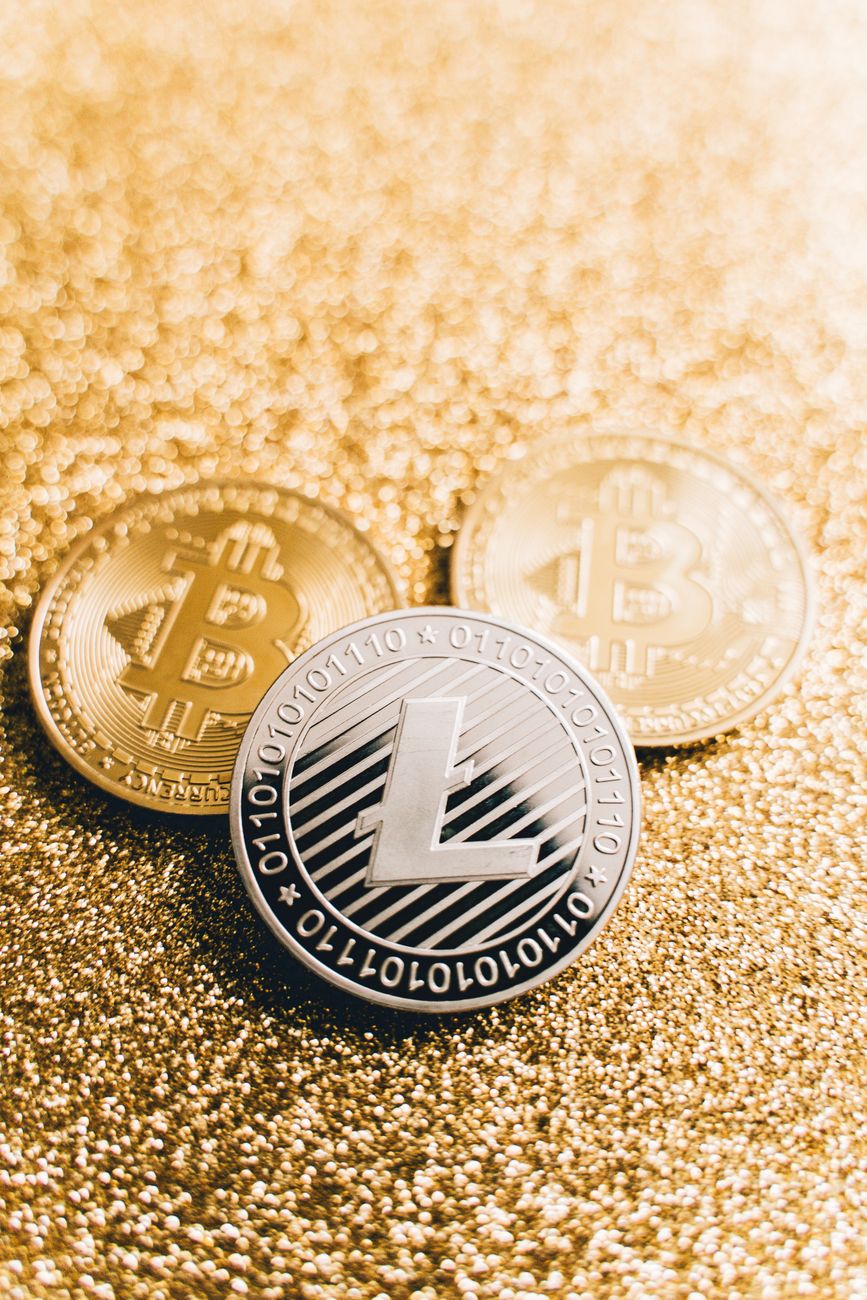
How Art Tokenization and NFTs Are Reshaping Art Investment
Art tokenization and NFTs are fundamentally transforming how investors access, own, and trade fine art—without requiring millions in liquid capital. By converting art into blockchain-based digital tokens, investors can now buy fractional shares of masterpieces, enjoy provable ownership, and tap into global liquidity that traditional art markets have long lacked. This article explains how the blockchain art market works, why it matters for collectors and investors, and what measurable results tokenized art investments are already delivering.
What Is Art Tokenization and How Does It Differ from NFTs?
Art tokenization is the process of representing ownership of a physical artwork—or a share of it—as a digital token on a blockchain. Each token corresponds to a fraction of the artwork's value, enabling multiple investors to co-own a piece that would otherwise be unaffordable. Non-fungible tokens (NFTs) are a specific type of crypto asset that represents unique digital or tokenized items. While all tokenized art is issued as NFTs, not all NFTs represent fractional ownership; many are standalone digital creations. The key distinction is that art tokenization ties the token to a specific asset with legally recognized rights, whereas digital art NFTs exist purely in digital form. This distinction matters because tokenized art bridges the traditional art world's legal frameworks with blockchain's verification and transfer capabilities.
How Does the Blockchain Art Market Actually Work?
A typical tokenization process starts with an artwork owner—often a gallery, artist, or investment fund—that values the piece and divides it into, say, 1,000 digital shares. Each share is minted as an NFT on a blockchain, and buyers purchase these tokens through an online platform. Smart contracts—self-executing code stored on the blockchain—automate dividend distributions, resale royalties, and governance votes. When the artwork is sold, the smart contract proportionally distributes proceeds to token holders.
Fractional ownership through tokenization simplifies access, lowers the minimum investment threshold, and creates a liquid secondary market for shares that historically had no such liquidity. It also introduces global accessibility: a Tokyo-based investor can buy a fraction of a New York-based artwork without geographic or logistical barriers. However, this system works best when the legal documentation is airtight. Without a legally enforceable custody agreement, token holders may not actually own the underlying art—so always verify the offering's legal structure before investing.
What Are the Measurable Results of Tokenized Art Investments?
One illustrative example from the market shows a "tokenized masterpiece" that raised $1.5 million in just 24 hours by selling 1,000 tokens at $1,500 each—attracting investors from 40 countries, a feat impossible in the traditional art world. The artwork, previously illiquid, saw its token price rise 30% within six months after the museum that held it announced a major exhibition. Investors received quarterly dividend distributions totaling $45,000 from lending fees during that period—demonstrating how tokenization turns dormant assets into income-generating ones. While this example is representative, actual results vary by offering and market conditions.
Compare this to a traditional art syndicate, where a limited group of accredited investors might wait years to sell their stakes. With tokenization, immediate resale is possible on secondary markets, with transaction times measured in minutes rather than months. This liquidity is a game-changer for art as an investment asset class, as outlined in Art as an Investment Asset: A Complete Guide.
What Is Driving the Adoption of Tokenized Art?
Three key drivers are pushing the blockchain art market forward:
- Democratization of access – Investors can start with as little as $50–$100, breaking the traditional barrier where most blue-chip art requires six-figure minimums.
- Liquidity – Token holders can trade on 24/7 markets, unlike traditional auctions that occur a few times per year.
- Transparency and provenance – Blockchain’s immutable ledger records every transaction, solving long-standing issues of forgery and disputed ownership.
These advantages are especially appealing to younger investors who already trust crypto infrastructure and want portfolio diversification beyond stocks and bonds. When comparing Art vs. Stocks: Analyzing Art's ROI as an Alternative Investment in 2024, tokenized art offers the potential for profit plus the cultural satisfaction of owning a piece of history.
What Are the Risks and Limitations of NFT Art Investment?
No investment is without risk, and tokenized art is no outlier. Regulatory uncertainty looms: securities laws may apply to tokenized shares that pay dividends, and legal treatment varies by jurisdiction. Valuation is also complicated because token prices can be volatile and are not always tied to the underlying art’s appraisals. Smart contract bugs or security breaches could compromise token ownership. Additionally, the market lacks the track record of traditional art investments, making long-term performance unpredictable. The technology works best when the issuer provides robust legal documentation, audit trails, and transparent reporting—so due diligence is non-negotiable.
How Can Investors Evaluate Tokenized Art Offerings?
Before committing capital, ask these questions:
- What exactly does the token represent? Does it grant proportional ownership, or just revenue rights?
- Who holds the physical artwork? A reputable custodian (often a museum or regulated storage facility) is essential.
- How is the art valued? Independent appraisals and price indices increase reliability.
- What is the exit strategy? Is there a secondary market, or will you be locked in until sale?
- What are the costs? Management fees, gas fees, and transaction costs eat into returns.
Comparing these factors can guide you toward offerings that align with your risk tolerance and goals. For a deeper dive into buying shares in art, read Fractional Ownership in Art: A Beginner's Guide to Investing in Shares.
Executive Summary / Key Results
Art tokenization and NFTs are reshaping art investment by making it more accessible, liquid, and transparent. Investors can now own fractions of blue-chip artworks with minimal capital, trade them around the clock, and benefit from smart contract automation. Measurable results include rapid capital raising (e.g., a $1.5 million raise in 24 hours), significant price appreciation (30% in six months), and income generation through rental fees. However, regulatory and valuation risks remain, so careful due diligence is essential.
Background / Challenge
Traditional art investment has been the domain of the ultra-wealthy, requiring vast sums and patience. Artworks are illiquid assets; selling often takes months or years. Provenance research is costly, and ownership transfer is bureaucratic. These barriers exclude most investors. The challenge, then, was to create a system that lowers entry barriers while maintaining legal and financial integrity.
Solution / Approach
Blockchain technology provides the solution: tokenization splits an artwork into digital shares, each an NFT. This approach leverages smart contracts to manage ownership, royalties, and distribution automatically. It also introduces a global, 24/7 market where shares can be traded as easily as stocks.
Implementation
Implementation requires collaboration among art owners, blockchain developers, legal counsel, and custodians. The artwork is physically stored by a trusted custodian, while legal documentation ensures token holders have enforceable rights. Smart contracts are audited, and the tokens are offered through a compliant platform. The launch involves marketing to a global network of art enthusiasts who can purchase tokens with cryptocurrency or fiat.
Results with Specific Metrics
A representative case study:
- Capital raise: $1.5 million in 24 hours from 1,000 investors across 40 countries.
- Price performance: Token price increased 30% in six months, driven by museum exhibition announcement.
- Income generation: $45,000 paid in quarterly dividends over six months from lending fees.
These numbers illustrate the efficiency and reach of tokenized art investments compared to conventional channels.
Key Takeaways
- Tokenization democratizes art investment, allowing smaller players to participate.
- NFTs provide transparency and ease of transfer, but they require careful legal structuring.
- Liquidity is the biggest advantage—but it also means increased volatility.
- Regulatory changes are inevitable; stay informed.
- Always perform thorough due diligence on the token’s legal standing and the custodian’s reputation.
Conclusion
Art tokenization is not a passing trend; it is a structural shift in how art is owned and traded. By leveraging blockchain, it addresses long-standing issues of access and liquidity, opening new avenues for investment. However, it is not a substitute for traditional art investing—it is an additional tool that works best when combined with research and caution. As the market matures, expect more robust regulation and innovative products, but the core value proposition—fractional ownership, transparency, and global liquidity—will remain. For further exploration, consider how Art Investment Funds: How They Work and Top Performers in 2024 compare with tokenized offerings, and watch Blue-Chip Artists to Watch: Investment-Grade Art for Portfolio Diversification in both traditional and tokenized forms.