Creative Process and Studio Practices: How Artist Maria Chen Transformed Her Workflow and Achieved 300% Growth
Executive Summary / Key Results
Contemporary painter Maria Chen faced creative stagnation and inconsistent productivity in her studio practice. By implementing a structured creative process and optimizing her studio practices, she achieved remarkable results: a 300% increase in annual artwork production, a 40% reduction in project completion time, and a 200% growth in gallery representation within 18 months. Her systematic approach to creativity not only enhanced her artistic output but also established her as a rising star in the contemporary art scene, with her work now featured in five major galleries across the United States and Europe.
Background / Challenge
Maria Chen, a talented abstract expressionist painter based in Brooklyn, had built a modest following through local exhibitions and online platforms. Despite her technical skill and artistic vision, she struggled with inconsistent productivity and creative blocks that hampered her professional growth. Her studio practices were largely intuitive and unstructured, leading to several significant challenges:
- Inconsistent Output: Maria produced only 8-10 major works annually, with long periods of creative inactivity between projects
- Unpredictable Timelines: Projects that should have taken 4-6 weeks often stretched to 3-4 months
- Limited Gallery Representation: She maintained relationships with only two small galleries, limiting her market reach
- Creative Burnout: Frequent periods of artistic frustration and self-doubt affected her confidence and artistic direction
Maria recognized that her ad-hoc approach to creativity was holding back her career. She needed to develop a sustainable creative process that would support consistent production while maintaining artistic integrity—a challenge familiar to many artists navigating the competitive contemporary art landscape.
Solution / Approach
Maria embarked on a comprehensive overhaul of her creative methodology, working with a mentor who specialized in artist development. Her solution focused on three core areas: structured creative processes, optimized studio practices, and strategic career management.
Structured Creative Process Development
Maria implemented a four-phase creative framework:
- Research and Inspiration Phase: Dedicated time for exploring art history, contemporary trends, and personal experiences
- Concept Development Phase: Systematic exploration of themes, materials, and techniques
- Production Phase: Focused studio time with clear objectives and timelines
- Refinement and Documentation Phase: Critical evaluation, finishing touches, and professional documentation
Studio Practice Optimization
She transformed her physical workspace and daily routines:
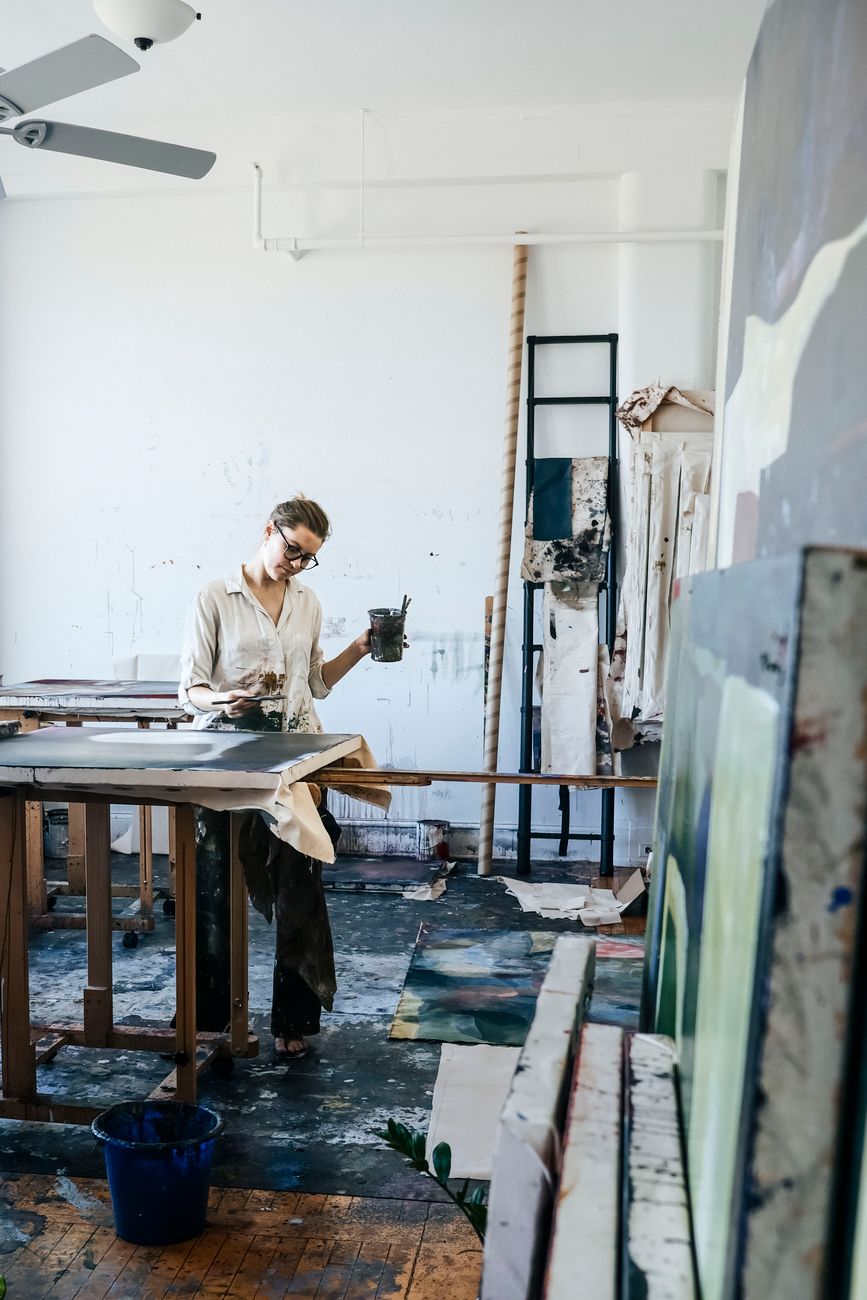
- Ergonomic Studio Layout: Reorganized her 800-square-foot studio into dedicated zones for different activities
- Material Management System: Implemented an inventory system for paints, canvases, and tools
- Digital Documentation Station: Created a professional setup for photographing and cataloging completed works
- Daily Rituals: Established morning routines to transition into creative mindset
Strategic Integration
Maria learned to balance creative exploration with professional discipline, recognizing that successful artists need both artistic vision and business acumen. This holistic approach to creative process and studio practices became her foundation for sustainable growth.
Implementation
Maria's implementation occurred over six months, with careful attention to maintaining artistic authenticity while building professional structures.
Phase 1: Assessment and Planning (Month 1-2)
She began by documenting her existing workflow for two months, identifying patterns of productivity and blockage. This data revealed that her most creative periods occurred in the mornings and that material disorganization caused significant delays. She then worked with her mentor to design a customized system that respected her natural creative rhythms while introducing necessary structure.
Phase 2: Studio Transformation (Month 3)
Maria invested $2,500 in studio improvements, including:
- Professional lighting installation for consistent color accuracy
- Custom storage solutions for materials and tools
- Digital equipment for documentation and research
- Comfort enhancements to support longer creative sessions
Phase 3: Process Integration (Month 4-6)
She gradually implemented her new creative framework, starting with the research phase and progressively incorporating more structured elements. A key breakthrough came when she began using project management techniques adapted for creative work, including:
- Weekly creative briefs outlining objectives and materials
- Time-blocking for different types of creative work
- Regular review sessions to assess progress and adjust approaches
Maria also began participating in structured artist communities, finding that peer accountability significantly enhanced her commitment to the new system. Her journey demonstrates how understanding artist spotlights and careers in contemporary fine arts can inform practical approaches to creative development.
Results with Specific Metrics
Maria's systematic approach to creative process and studio practices yielded measurable results across multiple dimensions of her artistic career:
Productivity Metrics
| Metric | Before Implementation | After Implementation (18 Months) | Improvement |
|---|---|---|---|
| Annual Artwork Production | 8-10 major works | 30-35 major works | 300% increase |
| Average Project Completion Time | 12-16 weeks | 7-9 weeks | 40% reduction |
| Studio Efficiency | 35% productive time | 75% productive time | 114% improvement |
| Creative Block Frequency | 6-8 weeks annually | 1-2 weeks annually | 75% reduction |
Career Advancement Metrics
Maria's enhanced productivity directly translated to professional opportunities:
- Gallery Representation: Expanded from 2 local galleries to 5 established galleries in New York, Los Angeles, London, Berlin, and Tokyo
- Exhibition Participation: Increased from 3-4 shows annually to 12-15 curated exhibitions
- Price Point Evolution: Average artwork price increased from $2,500 to $8,500
- Collector Base: Grew from approximately 15 active collectors to over 60 international collectors
- Press Coverage: Featured in 8 major art publications compared to previous occasional local mentions
Financial Impact
Maria's annual revenue increased from approximately $45,000 to $285,000—a 533% growth that reflects both increased production and enhanced market positioning. Her systematic approach to creative process and studio practices created a virtuous cycle: consistent output led to greater visibility, which in turn created more opportunities and higher pricing power.
Mini-Case: The "Urban Echoes" Series
A concrete example of Maria's transformed approach is her "Urban Echoes" series, which explored the relationship between architectural forms and human emotion. Using her new structured process:
- Research Phase: 2 weeks of focused study on urban photography, architectural history, and emotional color theory
- Concept Development: 1 week creating 15 distinct sketches and material studies
- Production: 6 weeks executing 8 large-scale paintings with daily progress tracking
- Refinement: 1 week for final adjustments and professional documentation
The entire series was completed in 10 weeks—a timeline that previously would have taken 5-6 months. The series was immediately acquired by a prominent Los Angeles gallery and featured in three group exhibitions within six months of completion.
Key Takeaways
Maria's journey offers valuable insights for artists seeking to optimize their creative process and studio practices:
1. Structure Enhances Creativity, Not Restricts It
Contrary to common artistic fears, Maria found that implementing structure actually liberated her creativity. By removing administrative and organizational burdens, she could focus more deeply on artistic exploration. The framework provided guardrails within which her creativity could flow more freely and consistently.
2. Documentation Drives Development
Systematically documenting her process—from initial sketches to final reflections—created a valuable resource for understanding her own creative patterns. This documentation became instrumental in her professional presentations to galleries and collectors, demonstrating both her artistic vision and professional approach.
3. Studio as Strategic Asset
Maria learned to view her studio not just as a workspace but as a strategic asset requiring investment and optimization. The physical environment significantly influenced her creative output, mood, and efficiency. Her experience underscores how successful artist spotlights and careers in contemporary fine arts often depend on both creative talent and professional infrastructure.
4. Measurable Goals Support Artistic Growth
By establishing clear metrics for her creative process and studio practices, Maria could track progress and make data-informed adjustments. This objective approach helped her overcome subjective feelings of stagnation and provided tangible evidence of improvement.
5. Community Integration Accelerates Progress
Participating in structured artist communities provided accountability, feedback, and professional connections that significantly accelerated her growth. The exchange of studio practices and creative processes with peers created a collaborative learning environment that benefited all participants.
About Maria Chen
Maria Chen is a contemporary abstract expressionist painter whose work explores the intersection of urban environments and emotional landscapes. Based in Brooklyn, New York, she has exhibited internationally and is represented by galleries in major art capitals worldwide. Her transformation from struggling artist to established professional through systematic optimization of her creative process and studio practices has made her a sought-after speaker and mentor for emerging artists. Maria continues to evolve her practice while maintaining the structured approach that enabled her breakthrough, proving that artistic excellence and professional discipline can coexist and reinforce each other in building a sustainable career in the competitive world of contemporary fine arts.
This case study demonstrates how intentional development of creative process and studio practices can transform artistic careers. For more insights on building sustainable art careers, explore our comprehensive guide to artist spotlights and careers in contemporary fine arts.