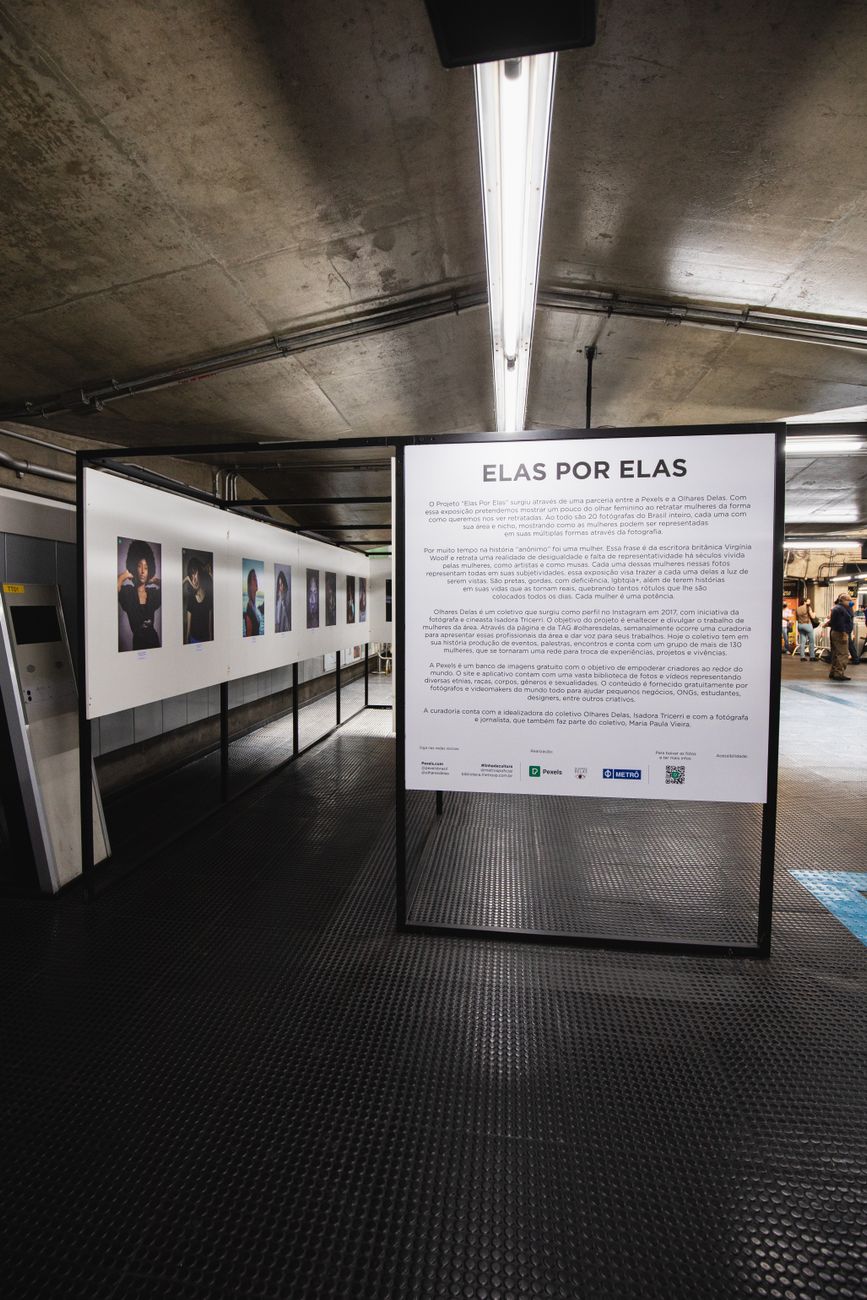
How to Write a Compelling Art Exhibition Review: A Step-by-Step Guide
Writing an art exhibition review is both an art and a discipline. It demands a keen eye, contextual knowledge, and the ability to translate visual and spatial experiences into words that inform, critique, and engage. Whether you are a student, a budding critic, or a seasoned journalist, mastering this skill can elevate your coverage and connect audiences with the ever-evolving world of fine arts.
This comprehensive guide will walk you through every step—from preparing before the show to polishing your final draft. You will learn how to structure your review, incorporate critical analysis, and balance subjective opinion with objective reporting. By the end, you will have the tools to write reviews that are not only compelling but also respected within the art community.
Understanding the Purpose of an Art Exhibition Review
An exhibition review serves multiple functions. It informs readers about what is on view, offers critical perspective, and documents cultural moments. Unlike a simple report, a review interprets the artist’s intent, evaluates execution, and positions the work within broader art historical or contemporary dialogues.
Before writing, clarify your audience. For FineArtsNews, readers range from art professionals to casual enthusiasts seeking expert insight. Your tone should be authoritative yet accessible, avoiding jargon without explanation, but never talking down to your reader. The goal is to provide value: help them decide whether to visit, understand the significance of the show, and appreciate nuances they might miss.
Pre-Visit Preparation: Research and Context
Thorough research is the foundation of a credible review. Before stepping into the gallery, gather information about:
- The artist: biography, previous work, statement, and career trajectory.
- The curator or institution: their mission, past exhibitions, and thematic focus.
- Art historical or cultural references: movements, styles, or contemporary issues the work may address.
- The medium and techniques: understanding the materials and process deepens analysis.
For example, if reviewing a solo show of Yayoi Kusama, you would research her Infinity Mirror Rooms, her long history with polka dots, and her exploration of infinity and self-obliteration. This background equips you to assess whether the exhibition offers new insights or merely rehashes familiar motifs.
I recommend creating a research document with key facts and quotes. This will serve as a quick reference during the writing process. Also, check for previous coverage—what has been said? Your review should add fresh perspective.
During the Visit: Observing and Note-Taking
The gallery visit is where your critical eye comes into play. Allocate at least an hour, more for larger exhibitions. Follow these steps:
- Walk through silently first. Absorb the overall atmosphere, flow, and first impressions.
- Return to key works. Spend time with pieces that intrigue or challenge you. Note your emotional and intellectual responses.
- Examine installation details: lighting, wall colors, spacing, labels, and didactic materials. These choices shape viewer experience.
- Observe visitors. How do they interact? Do they linger or rush? This can signal the work’s accessibility or impact.
- Take photos (if allowed) and jot down immediate reactions. Use a notebook or voice memo—avoid relying on memory alone.
Example note: “Kusama’s Infinity Mirror Room – crowd clustered at entrance; wait time 15 min. Inside, sense of endless space, but mirrors reflect other visitors, breaking illusion. Dim lighting enhances disorientation.”
Structuring Your Art Exhibition Review
A well-organized review guides the reader logically. While flexibility is allowed, a typical structure includes:
1. Lead/Introduction
Hook the reader with a compelling observation or thesis. Include the exhibition title, artist, venue, and dates. Example: “Yayoi Kusama’s Infinity Mirror Rooms at Tate Modern immerses viewers in a kaleidoscope of endless reflections—but does it transcend spectacle? The answer lies in the details.”
2. Context and Background
Briefly situate the exhibition within the artist’s career or current art trends. Keep this concise; your original analysis is more valuable.
3. Description and Analysis of Works
This is the core. Describe specific artworks, techniques, and themes. Use vivid language but ground it in observation. Compare and contrast pieces when relevant.
4. Installation and Space
Discuss how the curatorial choices affect perception. For example, “The dim, labyrinthine layout mimics the psychological journey, yet bottlenecks at popular works disrupt contemplation.”
5. Critical Evaluation
Offer balanced critique. Acknowledge strengths and weaknesses, supporting each with evidence. Avoid blanket praise or condemnation.
6. Conclusion
Summarize key takeaways, overall impression, and significance. End with a recommendation or thought-provoking question.
Writing a Strong Lead and Conclusion
The lead must grab attention immediately. Techniques:
- Provocative statement: “Can a mirror still surprise in the age of selfies? Kusama’s answer is a qualified yes.”
- Anecdotal opening: “The queue outside the gallery snaked around the block—testament to Kusama’s cult status.”
- Question: “What does it mean to experience infinity inside a six-foot cube?”
The conclusion should leave a lasting impression. It can:
- Reinforce your overall argument.
- Connect the exhibition to broader themes.
- Offer a call to action: “For those seeking transcendence, this show is a must-see—but arrive early to avoid the crowds.”
Avoid clichés like “In conclusion” or simply summarizing. Instead, end with a resonant note.
Descriptive Language: Painting with Words
Art criticism requires precise, evocative language. Use sensory details: colors (crimson, ochre, electric blue), textures (grainy, polished, velvety), and spatial qualities (claustrophobic, expansive). Similes and metaphors can illuminate, but avoid excess.
Example: “The brushstrokes are frenetic, like a storm captured on canvas. The deep blues and blacks pull the eye into a vortex, while slashes of white offer brief respite.”
Avoid vague terms like “beautiful” or “interesting.” Instead, say “the composition balances chaos and order” or “the juxtaposition of natural and industrial materials creates tension.”
Incorporating Critical Analysis
Analysis goes beyond description. Ask yourself:
- What is the artist trying to say?
- Do they succeed? Why or why not?
- How does the exhibition fit into contemporary discourse?
- What is the political, social, or cultural context?
Support your argument with evidence from the works. For instance, if you argue that Kusama’s use of mirrors comments on narcissism, point to how reflections trap viewers in a self-regard loop, undermining the infinity illusion.
Balancing Objectivity and Subjectivity
While critical voice is subjective, strive for fairness. Acknowledge alternative interpretations. For example: “Some may see the repeated dots as whimsical; others may read them as obsessive-compulsive. Both readings are valid, but the installation’s repetition suggests a deliberate psychological intensity.”
Be transparent if you have biases. If you are a fan of the artist, note it and explain why the exhibition still merits critique. Credibility is key.
The Role of Research and Quotes
Interviews with the artist or curator add depth and originality. If possible, arrange a walkthrough. Quotes can illuminate intent or process. Example: “Kusama stated she channels her hallucinations into her work, calling the dots a ‘language for the infinite.’”
When using secondary sources, cite them and ensure they are reputable. Attributing insights builds trust but always prioritize your own observations.
Common Pitfalls to Avoid
- Over-relying on press release: Your review must offer independent thought.
- Ignoring the installation: The spatial experience is part of the art.
- Writing a fact sheet: Avoid dry lists of works; weave details into narrative.
- Being overly negative or positive: Balance builds credibility.
- Neglecting audience: Consider what different viewers (collectors, students) need from the review.
Step-by-Step Writing Process
- Outline: Based on your notes, create a skeleton with sections.
- Draft: Write without over-editing. Focus on getting ideas down.
- Revise: Strengthen structure, refine language, and cut redundancy.
- Edit: Check for grammar, clarity, and readability. Read aloud.
- Final polish: Ensure voice is consistent and authoritative.
Example Mini-Case: Review of Kusama: Infinity Mirrors
Lead: “Step into a Kusama Infinity Mirror Room, and the world falls away—replaced by endless reflections of oneself, embedded in a cosmos of lights. Yet the magic is tinged by the clatter of voices and the glare of cell phone screens.”
Description: “In “The Souls of Millions of Light Years Away,” flickering LEDs change color in a darkened chamber, mirrored walls multiplying the pattern infinitely. The effect is hypnotic—until a visitor steps on your foot.”
Analysis: “Kusama’s intent—to dissolve the self into the universe—is subverted by the very crowd that seeks transcendence. This irony permeates the show, raising questions about the commodification of experience.”
Conclusion: “Despite its flaws, the exhibition offers rare moments of awe. It reminds us that even in the age of Instagram, the desire for genuine encounter persists—though you may have to outrun the selfie sticks to find it.”
Optimizing Your Review for SEO
To reach a wider audience, incorporate target keywords naturally. For FineArtsNews, keyphrases include “art exhibition review guide,” “how to review an art show,” and “exhibition review tips.” Use them in headings and body text sparingly. Also optimize meta title and description.
Internal links: Link to related articles like The Art Critique process or How to photograph artworks. External links to the gallery or artist site add authority.
Expert Insights and Statistics
Interviews with critics can enrich the piece. For instance, New York Times critic Roberta Smith emphasizes “looking longer than you think you need to.” Statistic: According to a 2023 survey by Art Basel & UBS, 42% of art collectors read reviews before purchasing. This underscores the review’s role in the market.
Table: Comparison of Review Approaches
| Element | Descriptive Review | Critical Review | Journalistic Review |
|---|---|---|---|
| Focus | Sensory details | Argument & evaluation | Facts & context |
| Tone | Poetic | Persuasive | Neutral |
| Length | Short (300-500 words) | Medium (500-800) | Variable (600-1200) |
| Audience | General public | Art professionals | News readers |
Summary and Conclusion
Writing a compelling art exhibition review requires preparation, observation, structure, and a distinctive critical voice. By researching context, taking thoughtful notes, and crafting a clear narrative, you can produce reviews that inform, critique, and inspire. Remember to balance description with analysis, objectivity with subjective insight, and always prioritize the art itself. As you practice, you will develop a signature style that resonates with FineArtsNews readers and contributes meaningfully to the art conversation.
Now, go ahead—visit an exhibition, sharpen your pencil, and start writing. The art world is waiting for your perspective.