Metropolitan Museum Blockbuster Shows: Exhibition Reviews and Analysis
Blockbuster exhibitions at The Metropolitan Museum of Art are more than just cultural events; they are global phenomena that shape art historical discourse, influence market trends, and draw millions of visitors to New York City. These meticulously curated shows, often years in the making, transform the Met's galleries into epicenters of artistic discovery and critical debate. This comprehensive guide delves into the anatomy of a Met blockbuster, offering in-depth reviews, critical analysis of curatorial strategies, and insights into their lasting impact on the art world. From the record-breaking attendance of "Heavenly Bodies: Fashion and the Catholic Imagination" to the scholarly triumph of "Michelangelo: Divine Draftsman & Designer," we examine what makes these exhibitions resonate so powerfully with diverse audiences and why they remain essential viewing for anyone invested in the fine arts.
Defining the Met Blockbuster Phenomenon
A Metropolitan Museum blockbuster is characterized by its scale, ambition, and cultural reach. Typically, these exhibitions feature landmark artworks from international collections, require extensive loans and diplomatic negotiations, and are supported by major corporate sponsorship. They are designed to be both scholarly and accessible, bridging the gap between academic rigor and public fascination. According to the Met's annual reports, blockbuster shows can account for over 30% of annual special exhibition attendance, with some drawing more than 600,000 visitors during their run. These exhibitions often set the agenda for art historical research for years to come, as seen with "The Age of Rembrandt: Dutch Paintings in The Metropolitan Museum of Art," which spurred renewed interest in 17th-century Netherlandish art.
Curatorial Vision and Exhibition Design
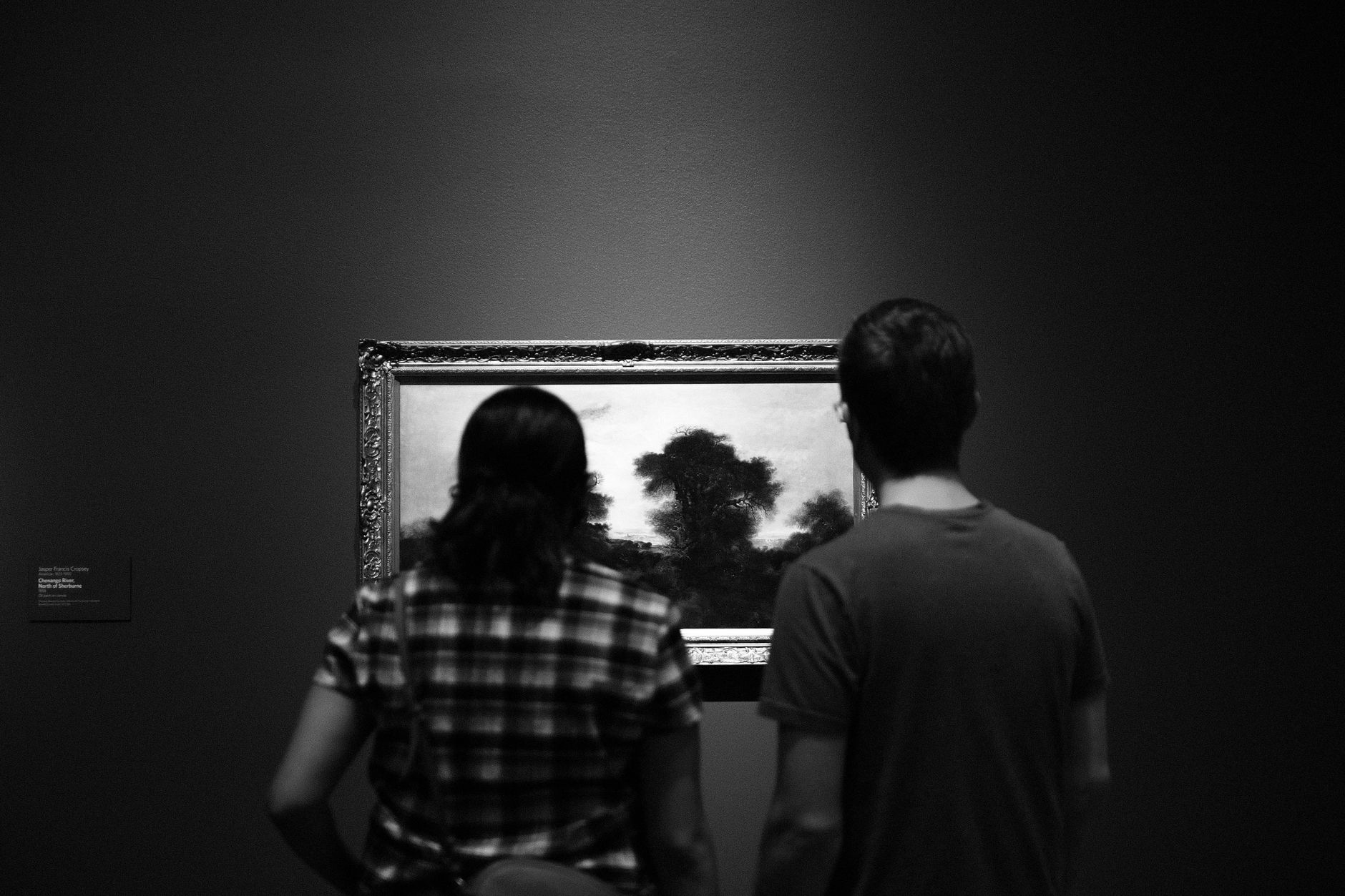
The success of a Met blockbuster begins with a compelling curatorial thesis. Curators at the Met, such as Keith Christiansen in European Paintings or Sheena Wagstaff in Modern and Contemporary Art, develop narratives that contextualize artworks within broader historical, social, or thematic frameworks. For instance, "Cubism and the Trompe l'Oeil Tradition" re-examined early 20th-century avant-garde movements through the lens of illusionistic painting, a thesis that challenged conventional art historical periodization. Exhibition design plays a crucial role in bringing these visions to life; the Met's design team creates immersive environments that guide visitors through complex narratives without overwhelming them. Lighting, wall colors, and spatial arrangement are meticulously planned to enhance the viewer's engagement with the artworks.
Critical Reception and Art Historical Impact
Critical reviews of Met blockbusters in publications like The New York Times, The New Yorker, and Artforum often shape public perception and scholarly discourse. Positive reception can cement an exhibition's legacy, while constructive criticism highlights areas for future inquiry. For example, "The Roof Garden Commission: Hector Zamora" received praise for its innovative engagement with the museum's architecture but faced questions about its dialogue with the permanent collection. The art historical impact of these shows is profound; they frequently introduce new methodologies or rediscover overlooked artists. "African Origin of Civilization" fundamentally altered Western understanding of African art's influence on modernism, a topic explored in greater depth in our Major Exhibition Reviews: A Complete Guide.
Audience Engagement and Educational Outreach
The Met employs multifaceted strategies to engage its diverse audience, from casual tourists to seasoned academics. Audio guides, interactive digital displays, and lecture series extend the exhibition experience beyond the gallery walls. Family guides and weekend workshops make complex themes accessible to younger visitors, fostering the next generation of art enthusiasts. The museum's social media campaigns, particularly on Instagram and TikTok, have proven highly effective in attracting younger demographics; the #MetGala hashtag, associated with the annual Costume Institute exhibition, regularly trends globally, demonstrating the viral potential of these events. Educational outreach includes partnerships with New York City public schools, offering free admission and curriculum materials that align with state standards.
Economic and Cultural Implications
Met blockbusters generate significant economic activity for New York City. A 2019 study by the NYC Economic Development Corporation estimated that major museum exhibitions contribute over $1 billion annually to the local economy through tourism, hospitality, and retail. The Met's shows drive hotel bookings, restaurant reservations, and retail sales in the surrounding Upper East Side neighborhood. Culturally, these exhibitions enhance New York's status as a global art capital, attracting international visitors and fostering cross-cultural dialogue. They also influence the art market; works by featured artists often see increased auction prices and gallery interest post-exhibition, as observed after "Delacroix" highlighted the artist's late-career innovations.
Comparative Analysis with Other Major Exhibitions
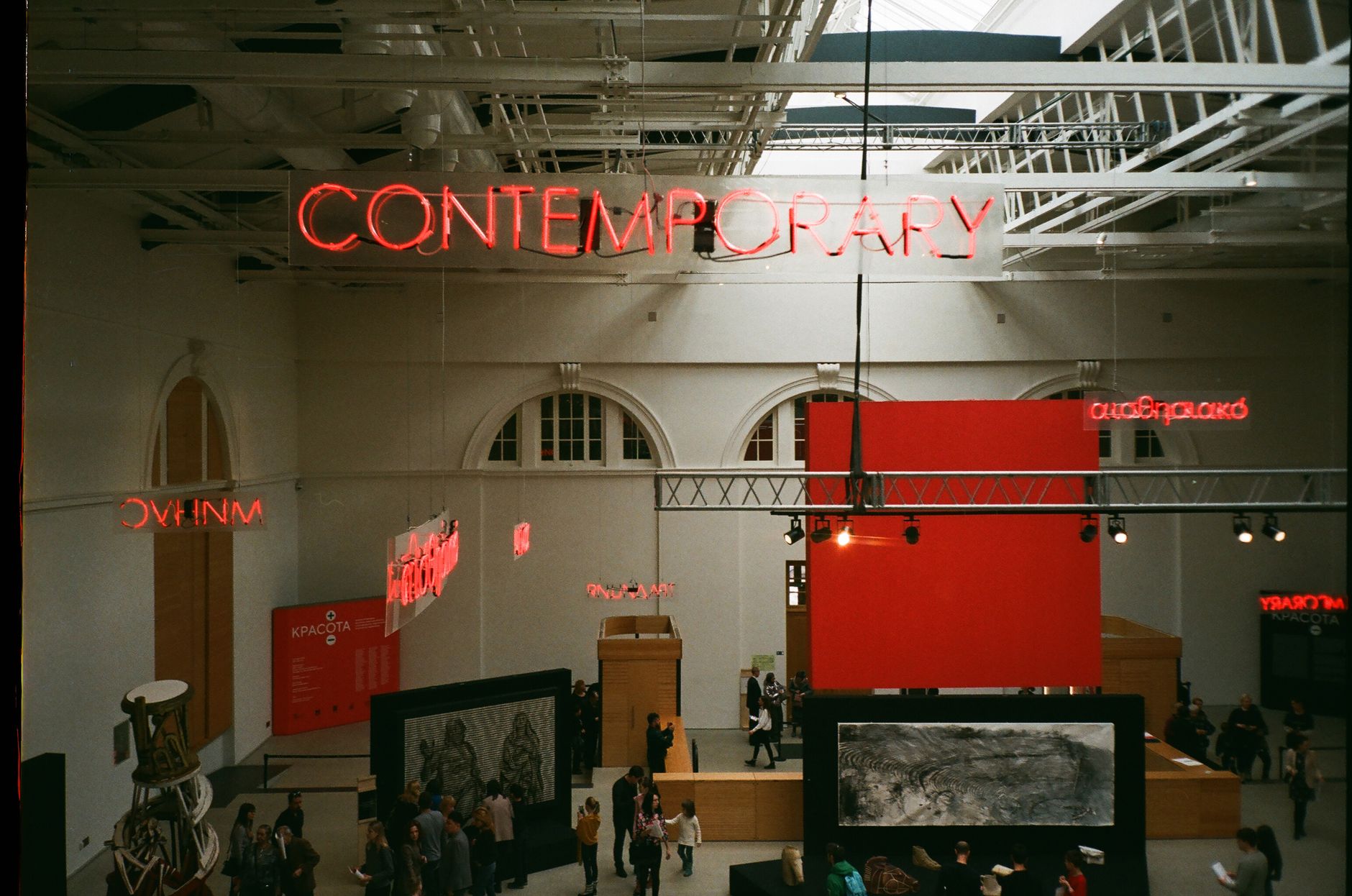
While the Met's blockbusters are unique in their institutional heft, comparing them to other major international exhibitions reveals distinct curatorial approaches and audience expectations. Unlike the national pavilion model of the Venice Biennale 2024 Review: Highlights and Critical Analysis, the Met focuses on monographic or thematic surveys that delve deeply into specific artists or movements. In contrast to the activist, community-oriented framework of Documenta Fifteen Review: Curatorial Approach and Artistic Impact, Met exhibitions traditionally emphasize art historical scholarship and object-based analysis. However, recent shows like "Before Yesterday We Could Fly: An Afrofuturist Period Room" indicate a shift toward more inclusive, narrative-driven formats that engage with contemporary social issues.
| Exhibition Type | Primary Focus | Typical Duration | Visitor Profile |
|---|---|---|---|
| Met Blockbuster | Art historical depth, masterpiece display | 3-6 months | Tourists, scholars, general public |
| Venice Biennale | Contemporary global trends, national representation | 6 months | Art professionals, collectors, critics |
| Documenta | Sociopolitical themes, experimental curation | 100 days | Academics, activists, international artists |
| Whitney Biennial | Emerging American artists, current issues | 4 months | New York art scene, younger audiences |
Case Study: "Michelangelo: Divine Draftsman & Designer"
The 2017-2018 exhibition "Michelangelo: Divine Draftsman & Designer" serves as an exemplary model of a Met blockbuster. Curated by Carmen C. Bambach, it assembled over 200 works, including 133 drawings by Michelangelo—the largest gathering of his drawings ever presented. The exhibition's thesis centered on Michelangelo's creative process, tracing his development from apprenticeship to master. Critical reception was overwhelmingly positive; The Guardian called it "a once-in-a-lifetime show," while scholars praised its meticulous research. The exhibition attracted over 450,000 visitors and generated significant scholarly publications, including a 400-page catalog that has become a standard reference. Its success hinged on the Met's ability to secure loans from 50 institutions across Europe and the United States, demonstrating the museum's unparalleled diplomatic and logistical capabilities.
Marketing and Media Strategy
The Met's marketing apparatus for blockbusters is a well-oiled machine, integrating traditional media, digital campaigns, and strategic partnerships. Press previews attract journalists from major global outlets, ensuring extensive coverage in the lead-up to the opening. The museum's collaboration with corporate sponsors like Bloomberg Philanthropies or Bank of America not only provides funding but also amplifies reach through co-branded advertising. Digital strategy includes targeted social media ads, email newsletters to members, and dedicated exhibition microsites with virtual tours. The Met's YouTube channel features curator interviews and behind-the-scenes footage, humanizing the exhibition development process. These efforts ensure that blockbusters achieve maximum visibility across multiple demographics.
Challenges and Criticisms
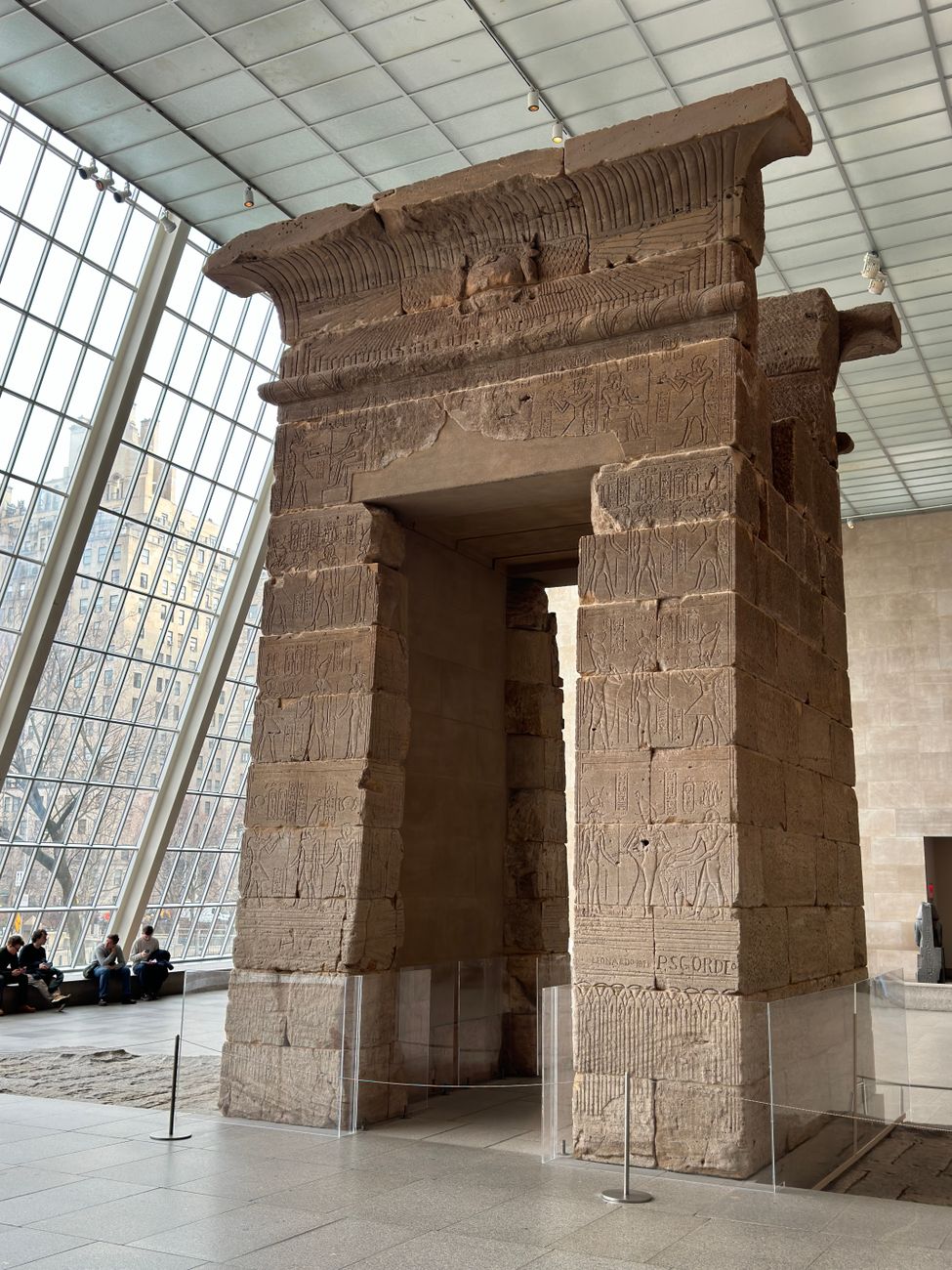
Despite their success, Met blockbusters face several challenges and criticisms. The high cost of insurance, transportation, and installation for loaned artworks can run into millions of dollars, raising questions about resource allocation in an era of tightening cultural budgets. Some critics argue that the blockbuster model prioritizes spectacle over substance, leading to crowded galleries that hinder contemplative viewing. There is also ongoing debate about the ethical implications of exhibiting artifacts from colonial contexts, as seen in discussions around "Golden Kingdoms: Luxury and Legacy in the Ancient Americas." The museum has responded by enhancing provenance research and developing more nuanced wall texts that address complex histories, a practice increasingly adopted across the sector.
Future Trends and Innovations
Looking ahead, Met blockbusters are likely to evolve in response to technological advancements and changing audience expectations. Virtual reality components, such as those piloted in "Cézanne's Drawings," offer new ways to experience artworks beyond physical constraints. Sustainability concerns may influence exhibition design, with a greater emphasis on reusable materials and reduced carbon footprints for international loans. The museum is also exploring more collaborative curatorial models, partnering with community organizations to co-create exhibitions that reflect diverse perspectives. These innovations aim to maintain the Met's leadership in the museum world while addressing contemporary societal needs, much like the evolving formats seen in the Whitney Biennial 2024: American Art Trends and Critical Reception.
Actionable Takeaways for Visitors and Professionals
For visitors planning to attend a Met blockbuster, practical strategies can enhance the experience. Purchasing timed tickets in advance is essential, as popular shows often sell out weeks ahead. Visiting during weekday mornings typically offers lighter crowds, allowing for more intimate engagement with the artworks. Utilizing the Met's audio guide or attending a curator-led tour provides valuable context that enriches understanding. For art professionals, these exhibitions offer networking opportunities at opening events and scholarly symposia. Collectors should note that featured artists often experience increased market visibility, making post-exhibition a strategic time for acquisitions. Educators can leverage exhibition catalogs and online resources to develop curriculum materials that connect historical art to contemporary issues.
Conclusion: The Enduring Legacy of Met Blockbusters
Metropolitan Museum blockbuster exhibitions represent the pinnacle of institutional ambition, scholarly excellence, and public engagement in the art world. They are not merely temporary displays but cultural milestones that educate, inspire, and provoke dialogue across global audiences. From their meticulous curatorial planning to their far-reaching economic and cultural impacts, these shows exemplify the Met's mission to collect, study, conserve, and present significant works of art across all times and cultures. As the museum navigates the challenges of the 21st century—including digital transformation, ethical stewardship, and inclusive storytelling—its blockbusters will continue to set the standard for what a major exhibition can achieve. For art enthusiasts, professionals, and curious minds alike, attending a Met blockbuster remains an essential, transformative experience that deepens our understanding of human creativity and its enduring power.