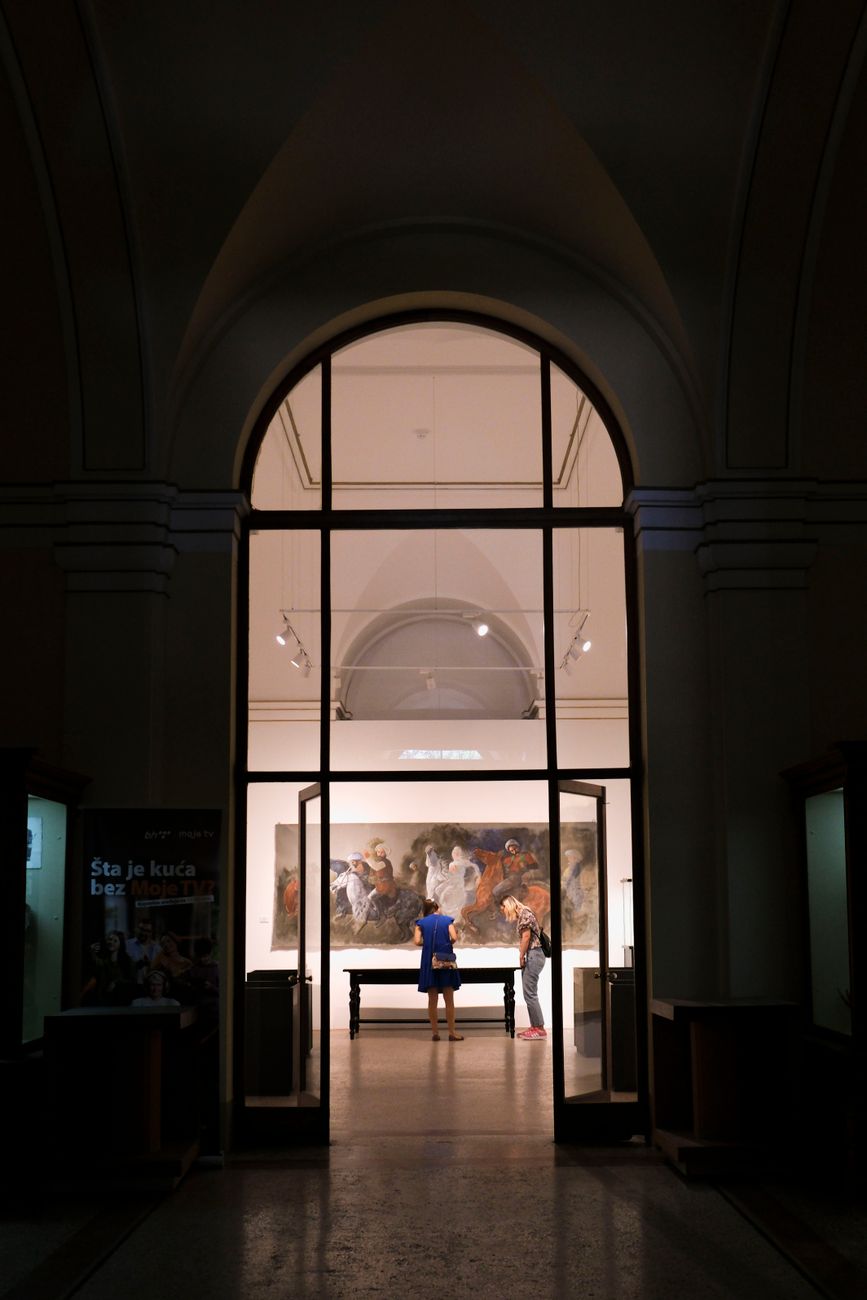
The Art Lover's Guide to Museum Late Nights: Maximizing Evening Exhibition Visits
Museum late nights are after-hours events that combine extended gallery access with social programming such as live music, bars, talks, and workshops. They give art lovers a quieter, more atmospheric way to see blockbuster exhibitions and permanent collections. This guide synthesizes published guidance from the Museums Association, a London museum-late directory, and a survey of night-friendly museums to deliver a benchmark for planning, timing, and getting the most out of evening exhibitions.
According to the Museums Association, lates generally include curated or programmed events that take place after the museum has "closed," as well as extended opening hours to a specific exhibition or display. The same source stresses that to succeed, these events must be regular, rooted in audience needs, and tied to a clear objective. For visitors, that means the best evenings are not random one-offs but recurring appointments you can plan around.
What Counts as a Museum Late Night and How Was This Guide Benchmarked?
A museum late night is a scheduled after-hours opening that typically pairs quieter gallery time with social programming such as music, a bar, short talks, hands-on workshops, or film screenings. The term also covers extended evening hours at a specific exhibition or display, even when no special event is programmed. This distinction matters: a Thursday evening extension at the Louvre is a late night in the first sense, while a monthly Tate Late with live music is a late night in the second.
To benchmark what art lovers can reliably expect, this guide draws on three published sources. The Museums Association's practitioner guide explains how and why museums run lates, including operational requirements like regular scheduling, internal support, food and beverage service, and capacity management. A London-specific guide catalogs weekly late openings at major institutions and describes the typical format of special "Lates". A survey of ten museums that are "actually better at night" documents evening hours at the Louvre, the Van Gogh Museum, and the Vatican Museums, including the Sistine Chapel.
Methodologically, this is a qualitative synthesis rather than a controlled study. The sources are practitioner guides and editorial roundups, not randomized visitor surveys. Where sources give specific hours or days, those are reported as stated. Where they describe atmosphere or crowd levels, those are treated as informed observation, not measured data. The analysis focuses on what can be acted on: which institutions offer late nights, when they occur, what to expect, and how to plan around known constraints.
| Benchmark Metric | Typical Range Across Sources | Source | |---|---|---|---| | Weekly late closing time | 20:30–22:00 (British Museum, National Gallery, V&A, Tate Modern) | | | Late-night day pattern | Fridays dominate; some Saturdays (Tate Modern) and Wednesdays (Louvre) | | | Special "Lates" frequency | Often monthly, frequently free | | | Ideal visit duration | 2–3 hours | | | Crowd reduction window | By 19:00 at the Van Gogh Museum; limited numbers at Sistine Chapel late evenings | | | Programming mix | Live music, bar, short talks, workshops, film screenings | | | Booking requirement | Free timed tickets at some institutions (British Museum, National Portrait Gallery) | |
Key Findings Summary
Five findings stand out from the source material. First, weekly evening exhibitions are concentrated on Fridays in London, with the British Museum open until 20:30, the National Gallery until 21:00, the V&A until 22:00, and Tate Modern until 21:00 on Fridays and Saturdays. Second, special Lates are often monthly and frequently free, and they transform the museum into a social space with music, bars, and talks. Third, the biggest practical win is crowd reduction: at the Van Gogh Museum, by 19:00 on a Friday the crowds have shrunk to more manageable levels, and the Sistine Chapel late evening limits numbers so the space becomes almost relaxing. Fourth, not all galleries stay open late—at the V&A some galleries close after 17:45, and at the British Museum some rooms can close at short notice. Fifth, success depends on treating the late night as a focused visit: the guidance recommends picking one museum per evening and allowing two to three hours, because museum cafés close before the galleries do.
Detailed Results: What the Data Actually Shows About Evening Exhibitions
The source material reveals a clear pattern in how museums structure after-hours access. Weekly late openings cluster on Fridays. The British Museum stays open until 20:30 on Fridays, the National Gallery until 21:00 on Fridays, the V&A until 22:00 on Fridays, and Tate Modern until 21:00 on Fridays and Saturdays. This is not a random distribution. Friday evening is when the widest segment of the public is available, and museums schedule accordingly.
Special Lates follow a different rhythm. They are often monthly rather than weekly, and most are free. These events are programmed, not just extended hours. Expect music, a bar, short talks, hands-on workshops, and film screenings. The audience skews younger and more local; the London guide notes that Lates are "one of the easiest ways for visitors to see how Londoners use their museums".
Beyond London, the pattern holds at major European institutions. The Louvre is open until 21:00 on Wednesdays and Fridays. The Van Gogh Museum stays open until 21:00 on most Fridays throughout the year. The Vatican Museums run late evenings until 23:00, and at that hour the Sistine Chapel—normally a "managed crowd-flow exercise"—becomes an almost relaxing experience with limited numbers.
The crowd data, while qualitative, is consistent. At the Van Gogh Museum, which hosts well over two million visitors a year, the Friday evening atmosphere is "notably different from the daytime rush," and by 19:00 the crowds have shrunk to more manageable levels. At the Louvre, late evenings are described as having considerably lower visitor numbers, warmer and quieter light, and a nearly meditative feel.
One operational constraint cuts across all institutions: not every gallery stays open. At the V&A some galleries close after 17:45, and at the British Museum some rooms can close at short notice. This is not a failure of the late-night model; it is a scheduling reality. The implication for visitors is that you should check the specific gallery list for your chosen evening, not assume the entire museum is available.
Analysis by Category: How to Match Your Goals to the Right Evening
Not all late nights serve the same purpose. The sources suggest three distinct categories, each with different planning requirements.
Category 1: Weekly Extended Hours at Major Museums
These are the workhorses of after-hours art. They are predictable, usually free with general admission, and designed for individual visitors rather than event crowds. The London guide lists the British Museum, National Gallery, V&A, and Tate Modern as weekly late-opening institutions. The advantage is flexibility: you do not need to plan around a monthly event calendar. The disadvantage is that they are not social events; there is no bar-and-music program unless a special Late coincides with your visit.
This category works best for solo visitors, small groups, and anyone who wants to see specific works without daytime congestion. The Sistine Chapel late evening at the Vatican Museums is an extreme version of this model: numbers are limited, and the atmosphere shifts dramatically from the daytime crowd-flow experience.
Category 2: Programmed "Lates" with Social and Cultural Programming
These are the events that turn a museum into a social space. They are often monthly and frequently free. Programming includes live music, a bar, short talks, hands-on workshops, and film screenings. The Museums Association notes that Tate Lates include live music as well as talks, and the gallery has run programs for members of Tate Collective, its 16–25-year-old membership scheme.
For art lovers, the tradeoff is clear. You get atmosphere and variety, but you also get crowds. The Museums Association warns that to compete with other leisure activities, museums need to offer a high-quality event worthy of people's time and money, and that maximum numbers must be considered so people get the most out of the experience. In practice, that means programmed Lates can feel busier than weekly extended hours, especially in the bar and music areas. If your goal is quiet contemplation of specific works, a programmed Late may not be the best fit.
Category 3: Destination Late Nights at Blockbuster Museums
This category covers institutions where the evening visit is itself the draw. The Louvre on Wednesday or Friday evening and the Van Gogh Museum on Friday evening are examples. These are not social events in the Tate Lates sense, but they offer something the daytime cannot: access to famous works with substantially reduced crowds. At the Van Gogh Museum, standing in front of The Bedroom or The Potato Eaters with something approaching calm is possible by 19:00 on a Friday.
This category demands the most planning. You need to confirm the late-night schedule, because these are specific days rather than daily extensions. You also need to prioritize, because two to three hours is enough for a focused visit, and museum cafés close before the galleries do.
| Category | Typical Frequency | Best For | Main Constraint |
|---|---|---|---|
| Weekly extended hours | Weekly (often Fridays) | Solo visits, quiet viewing, specific works | Not all galleries open; no social programming |
| Programmed Lates | Often monthly | Social atmosphere, talks, music, workshops | Crowds; bar and event areas busy |
| Destination late nights | Specific days (e.g., Wed/Fri) | Seeing blockbuster works with fewer people | Limited days; requires advance planning |
Recommendations: A Step-by-Step Workflow for Maximizing Your Evening Exhibition Visit
The sources support a practical workflow. It is not complicated, but it requires treating the late night as a different kind of visit than a daytime trip.
Step 1: Choose your category before you choose your museum. Decide whether you want quiet viewing, social programming, or blockbuster access. This determines which institution and which evening are right for you. A programmed Late at Tate Modern and a Friday evening extension at the National Gallery serve different purposes, even though both are "museum late nights".
Step 2: Confirm the specific galleries that stay open. At the V&A, some galleries close after 17:45, and at the British Museum, some rooms can close at short notice. Check the museum's late-night page on the day of your visit. Do not assume the entire collection is available.
Step 3: Book free timed slots where offered. A free timed ticket at the British Museum or National Portrait Gallery removes the risk of waiting outside. This is a low-cost step that eliminates a common failure mode. If booking is not offered, arrive early in the late window rather than late.
Step 4: Head for the highlights first. The famous objects are the ones with the longest daytime crowds, so see them while the evening is quiet. This is counterintuitive advice: many visitors save the highlights for last. At a late night, the opposite is true. The quieter early-evening window is your best chance at the masterpieces.
Step 5: Pick one museum per evening. Two to three hours is enough, and museum cafés close before the galleries do. Trying to combine two late-night museums in one evening is a recipe for rushed, superficial viewing. The sources are explicit: one museum, two to three hours.
Step 6: Plan for food and drink before or after, not during. Because cafés close before the galleries do, you cannot rely on in-museum dining to sustain a full evening. If you are attending a programmed Late with a bar, that is different—the bar is part of the event. But for weekly extended hours, eat before you arrive or after you leave.
A Decision Checklist for First-Time Late-Night Visitors
- Is the late night weekly or a one-off special event? Weekly means flexibility; special means you plan around it.
- Does the museum offer free timed tickets? If yes, book them.
- Which galleries are confirmed open after 17:45 or 18:00? Check the day before and the day of.
- What is your primary goal: quiet viewing, social atmosphere, or blockbuster access? Match the category to the goal.
- Have you allowed two to three hours and no more than one museum? If not, adjust your plan.
One exception to this workflow: if you are attending a programmed Late specifically for the social or cultural programming—a talk, a workshop, a film screening—the gallery-visiting advice matters less. In that case, the event is the priority, and you should treat the galleries as a secondary benefit. The Museums Association notes that giving people something to do beyond socialising is key, and that tours or activities are part of the offer. But if your goal is art, not socializing, the programmed Late format may work against you.
For readers planning broader exhibition tours, our Exhibition Guides and Tips: A Complete Guide covers how to structure multiple visits across a city. If you are combining late nights with daytime gallery hopping, the Ultimate Gallery Hopping Guide explains how to sequence venues without exhausting yourself. And if you want a pre-visit framework for what to see and do, the Art Exhibition Checklist provides a practical list you can adapt to evening hours.
How Does Late-Night Museum Etiquette Differ from Daytime Visits?
The core etiquette of museum visiting does not change at night, but the social context does. Programmed Lates are explicitly designed as social spaces with music, bars, and talks. That means louder conversation in designated areas is expected. In the galleries, however, the same respect for other viewers applies. The difference is that the boundary between "social area" and "gallery area" may be less clearly marked at an event than during a normal daytime visit.
A useful rule: follow the crowd's behavior in each zone. If people are talking and holding drinks in a particular area, that is the social zone. If people are standing quietly in front of works, that is the gallery zone. The Museums Association's guidance on lates emphasizes that they must be rooted in audience needs and have a clear objective. For visitors, the parallel is to be clear about your own objective: are you there for the art or for the atmosphere? Both are valid, but they call for different behavior.
Why Regularity Matters More Than Any Single Event
One of the most actionable insights from the practitioner source is that lates thrive when they are regular events. This is not just an operational preference. Regularity changes visitor behavior. When late nights happen every week, visitors get used to out-of-hours entertainment and can plan around them. When they are sporadic, each event becomes a special occasion with higher demand and more crowding.
For art lovers, this has a direct planning implication. A weekly Friday extension at a major museum is a more reliable asset than a one-off late event. You can build a habit around it. You can visit the same galleries multiple times under different conditions. You can treat the late night as part of your regular cultural routine rather than a special expedition. The London guide's observation that weekly late openings exist at the British Museum, National Gallery, V&A, and Tate Modern is therefore more valuable than any single event listing.
What Are the Limits of This Guidance?
This guide is built on published practitioner guidance and editorial roundups, not on a controlled study of visitor outcomes. The sources do not provide attendance numbers, satisfaction rates, or comparative crowd measurements across institutions. Statements about atmosphere and crowd reduction are descriptive, not statistical. The specific hours and days listed are as reported by the sources and can change; the Louvre source itself advises checking the official site for the latest hours.
This guidance also depends on location. The weekly late-night pattern documented here is London-centric, with additional examples from Paris, Amsterdam, and Vatican City. Museums in other cities may have different schedules or may not run late nights at all. If your local museum does not offer evening exhibitions, the programming and etiquette advice still applies to special after-hours events, but the weekly planning workflow does not. The principles—one museum per evening, highlights first, check gallery availability, book timed slots—transfer. The specific institutions do not.
Conclusion: Turning Evening Exhibitions into a Repeatable Practice
Museum late nights are not simply daytime visits at a different hour. They are a distinct category of cultural experience, with their own schedules, social dynamics, and planning requirements. The evidence from practitioner guides and museum roundups points to a clear conclusion: the best late-night visits are focused, planned, and matched to a specific goal. Whether you choose a weekly Friday extension for quiet viewing or a monthly programmed Late for atmosphere and talks, the same principles apply—confirm the galleries, book free timed slots where offered, head for the highlights first, and allow two to three hours for one museum.
The deeper insight is that regularity is the real asset. Museums that run late nights consistently create a reliable out-of-hours cultural offering, and visitors who treat those evenings as a repeatable habit get more from them than those who chase one-off events. Evening exhibitions are not a novelty to be sampled once. They are a different way of using a museum, and like any practice, they reward repetition. If you want to go further, our guide to documenting and sharing your exhibition visit shows how to capture the experience without disrupting it. But the first step is simpler: pick one museum, check which galleries stay open, and go after the daytime crowds have gone.