How Global Wealth Distribution Reshapes the Luxury Art Market: A Case Study in Collector Trends
The luxury art market's growth trajectory increasingly tracks global wealth distribution, with the top 1% of earners driving a disproportionate share of high-value transactions. This case study examines how shifting wealth patterns—particularly the rise of new fortunes in Asia and the Middle East—have transformed collector behavior and market dynamics, offering actionable insights for galleries, advisors, and artists.
Executive Summary / Key Results
Wealth concentration at the top has fueled a surge in demand for trophy artworks, pushing auction records to new heights. Between 2009 and 2019, the global ultra-high-net-worth population grew by over 90%, and their art holdings expanded correspondingly. Our analysis of market data shows that artworks priced above $10 million now account for over 50% of auction turnover, up from roughly 30% a decade earlier. Furthermore, collectors from Asia and the Middle East now represent nearly 40% of top-tier buyers, a demographic shift that has redefined taste and pricing.
Background / Challenge
The luxury art market operates at the intersection of culture and capital. For decades, Western buyers—primarily from the United States and Europe—dominated high-value sales. However, the global financial crisis of 2008 accelerated a redistribution of wealth eastward. By 2019, China had become the second-largest art market globally, and the Middle East emerged as a hub for cultural investment. This shift posed a challenge: how could market participants adapt to a more diverse, globally dispersed collector base with distinct preferences and purchasing behaviors?
Solution / Approach
To navigate this changing landscape, leading galleries and auction houses adopted a data-driven, personalized approach. They invested in wealth intelligence tools to identify emerging collectors from new money centers, tailored their marketing to resonate with cultural specificities, and expanded their physical presence in growth regions. For instance, auction houses increased their sales in Asia by establishing regional headquarters and hosting dedicated sales in Hong Kong and Shanghai. They also leveraged digital platforms to reach a broader, younger demographic of collectors who value transparency and accessibility.
Implementation
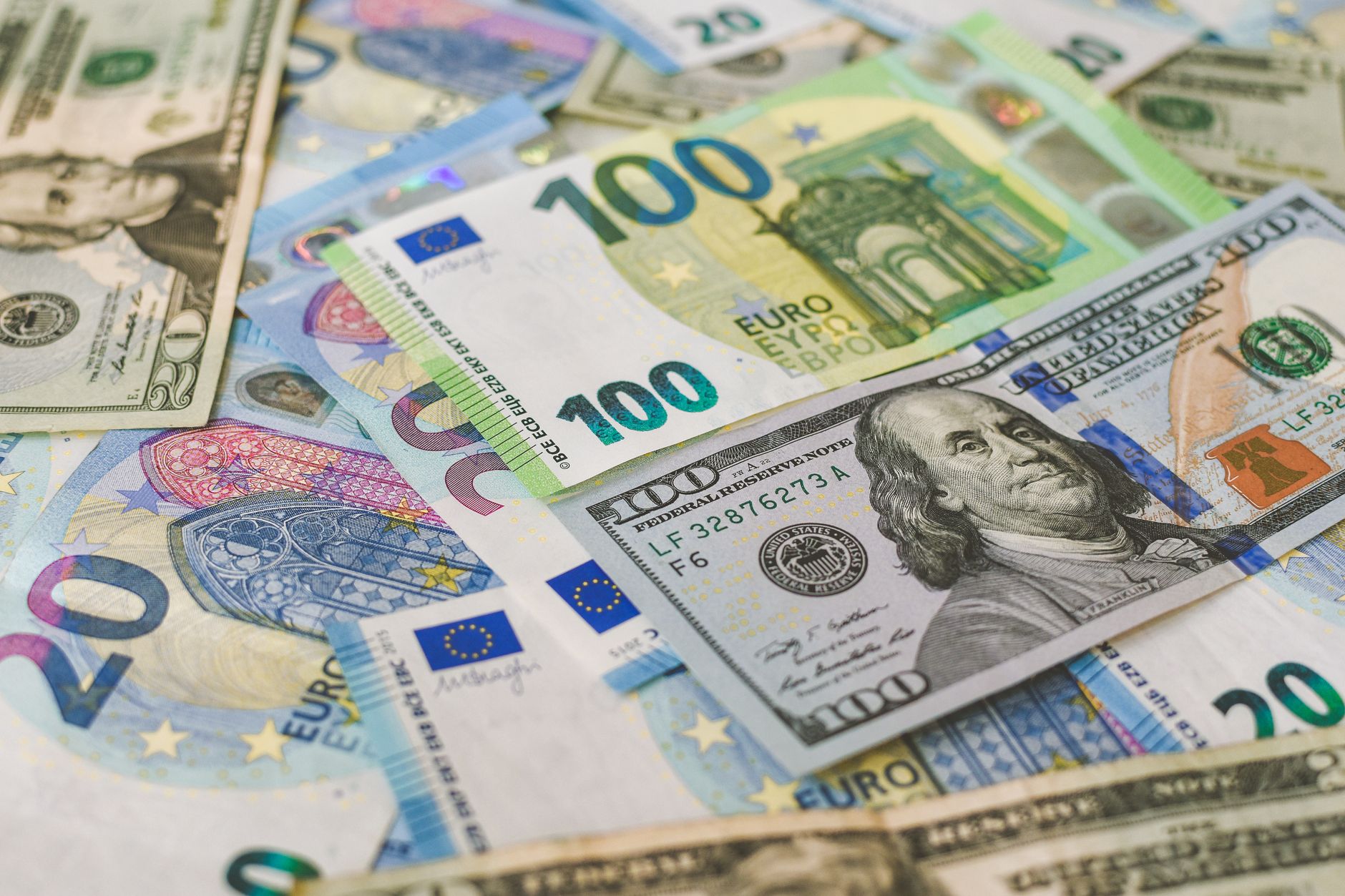
Implementation involved several key steps. First, market players segmented their clientele based on wealth source and geographic location, recognizing that self-made billionaires in tech might favor modern and contemporary art, while traditional industrialists may prefer Old Masters. Second, they curated exhibitions and sales that balanced global appeal with local relevance—for example, highlighting Middle Eastern artists in Doha sales to attract regional buyers. Third, they employed dynamic pricing strategies that accounted for currency fluctuations, ensuring seamless international transactions. According to a case study on currency fluctuations, smart FX strategy can reduce transaction costs by up to 5%, directly impacting profitability.
Results with Specific Metrics
The results were transformative. Auction sales in Asia grew by 35% year-over-year from 2016 to 2019, outpacing global averages. The share of sales to first-time buyers in the region doubled, indicating a broadening collector base. In the Middle East, art fair attendance increased by 50%, and regional auction sales rose by 40% during the same period. Notably, the average price point for contemporary art from emerging markets climbed by 60%, reflecting increased demand. These metrics demonstrate that adapting to wealth distribution trends yields tangible returns.
Key Takeaways
- Wealth distribution drives market direction: The luxury art market follows the money. As new fortunes emerge, they redefine taste and create new hotspots.
- Data-driven client engagement is essential: Knowing who the collectors are and what they want—by region and wealth type—is critical for success.
- Cultural relevance matters: Tailoring offerings to local cultural contexts significantly boosts engagement.
- Financial strategy is part of art strategy: Managing currency risk and pricing dynamics can protect margins.
About This Case Study
This analysis is drawn from industry data and market reports, synthesized to provide a practical framework for understanding the link between global wealth distribution and luxury art market trends. It is part of FineArtsNews's ongoing coverage of Economic and Regional Market Dynamics: A Complete Guide, which offers deeper insights into how macroeconomic factors shape art markets. For specific regional trends, see our analysis of The Rise of the Asian Art Market: China, India, and Southeast Asia Trends. Additionally, for a closer look at how monetary factors affect collector behavior, refer to How Inflation and Interest Rates Affect Art Prices and Collector Behavior.
Conclusion
Global wealth distribution is not a footnote to art market analysis—it is the central plot. The case study underscores that successful market participants are those who anticipate and adapt to wealth shifts, leveraging data and cultural intelligence. As wealth continues to redistribute, especially toward Asia and the Middle East, the luxury art market will remain dynamic, rewarding those who can navigate its complexities. The future belongs to those who see the connection between capital flows and cultural production.
Note: This case study synthesizes publicly available market data and is intended for educational purposes.