The Ultimate Guide to Art Exhibition Reviews and Previews
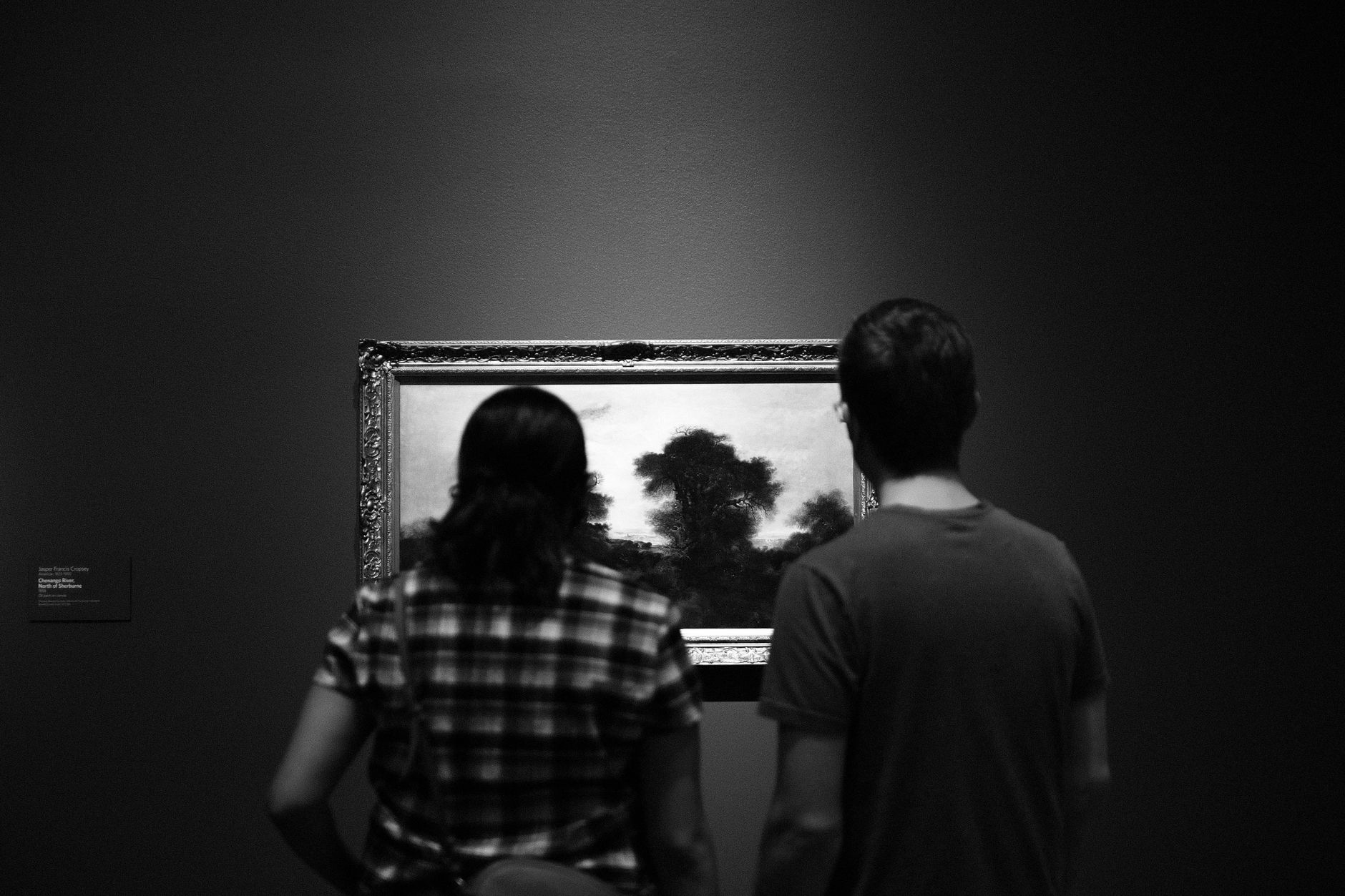
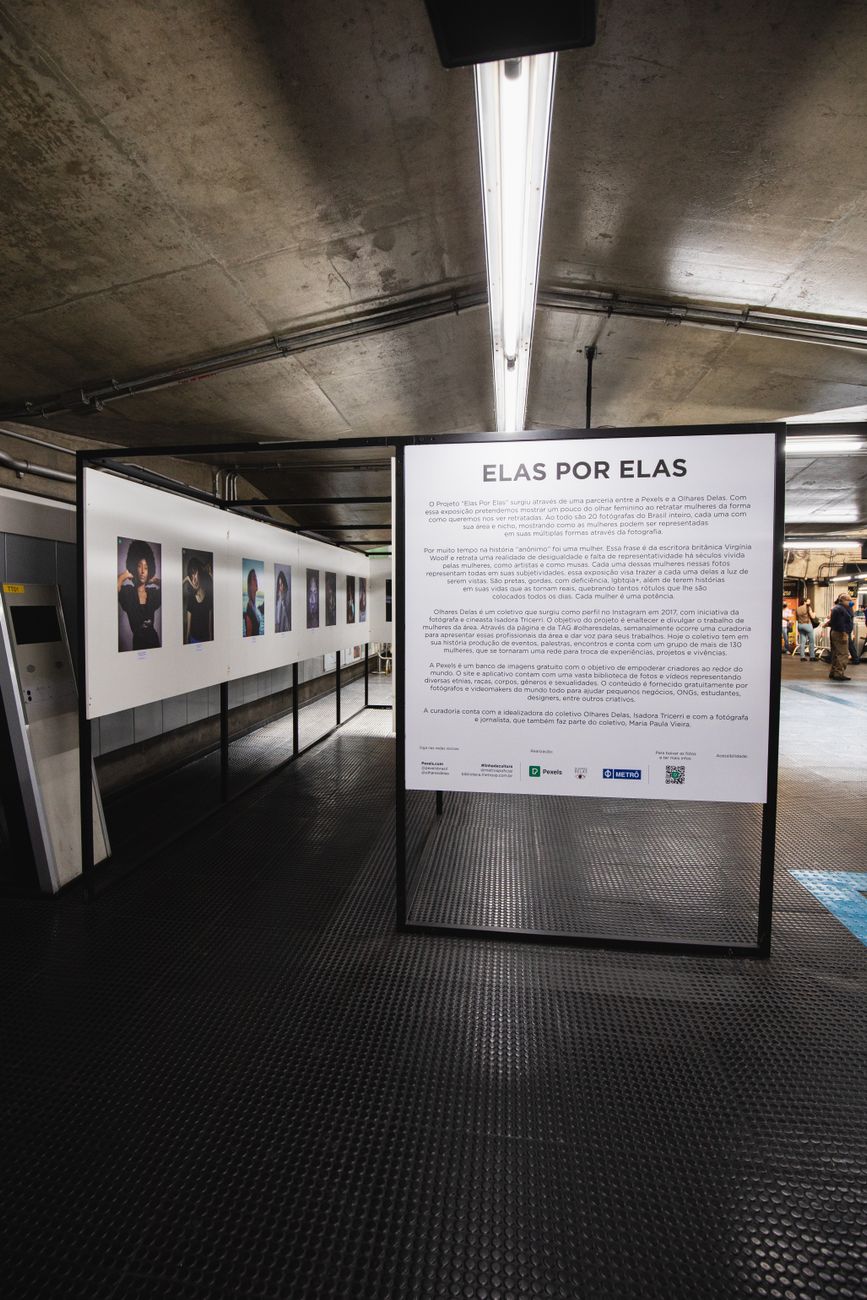
Art exhibition reviews and previews are the backbone of informed arts journalism. They help audiences decide which shows to attend, provide critical context for artworks, and document the cultural zeitgeist. Whether you are a seasoned critic, a budding blogger, or a curious collector, mastering the art of writing exhibition reviews and previews is essential. This comprehensive guide covers everything from defining the genres to crafting compelling content, optimizing for SEO, and building authority in the field.
Understanding Exhibition Reviews vs. Previews
Before diving into writing, it’s crucial to distinguish between the two formats. An exhibition review is a post-opening evaluation that analyzes the art, curation, and overall experience. A preview is a pre-opening piece that builds anticipation, highlights key works, and provides practical details.
Key Differences
| Aspect | Exhibition Review | Exhibition Preview |
|---|---|---|
| Timing | After the opening | Before the opening |
| Purpose | Critical analysis | Hype and information |
| Content | In-depth interpretation, critique | Highlights, practical details, quotes |
| Length | 500-1500 words | 300-600 words |
| SEO Focus | Deep dive keywords | Event-specific keywords |
Understanding this distinction helps you tailor your angle and tone. For example, a review of a major museum show might delve into art historical context, while a preview of a gallery opening might focus on the artist’s biography and the must-see pieces.
Why Exhibition Reviews and Previews Matter
Exhibition reviews and previews serve multiple audiences and purposes:
- For art enthusiasts: They help in planning visits and understanding emerging trends.
- For professionals: They offer market insights and critical discourse.
- For artists and galleries: They provide exposure and documentation.
- For academics: They contribute to scholarship and criticism.
According to a 2023 survey by the International Association of Art Critics, 78% of gallery visitors read at least one review or preview before attending a show. This underscores the power of well-crafted content in driving attendance and shaping perception.
The Anatomy of an Outstanding Exhibition Review
A stellar review balances description, interpretation, and evaluation. It should be engaging, informative, and authoritative. Here are the components:
Headline and Opening Hook
Craft a headline that includes the target keyword and grabs attention. For example: “Review: ‘Picasso and the Avant-Garde’ at the Met Reimagines Modernism.” The opening paragraph should set the scene, state the exhibition’s thesis, and reveal your overall impression.
Context and Curation
Describe the venue, the curator’s intentions, and the exhibition’s layout. How do the works relate to each other? Is the narrative cohesive? For instance, in a review of a museum show, you might note how the chronological arrangement enhances understanding.
Analysis of Key Works
Select 2-4 standout pieces and analyze them in depth. Discuss technique, symbolism, and relevance to the artist’s oeuvre. Use descriptive language to paint a picture for readers who may not see the art in person.
Critical Evaluation
What worked? What didn’t? Offer a balanced critique. Back your claims with evidence—compare works, cite art historical references, or note audience reactions. For example, “The inclusion of early sketches was enlightening, but the dim lighting in the final gallery hindered appreciation of the late paintings.”
Practical Information
Briefly include dates, location, and ticket prices. This adds utilitarian value.
Conclusion and Verdict
Summarize your main point and give a verdict (e.g., “Skip/See if you can/Attend immediately”). A verdict helps readers prioritize.
The Anatomy of an Outstanding Exhibition Preview
Previews are shorter but require meticulous research and a compelling hook. Here’s a breakdown:
Headline and Lead
Use a headline like “Preview: 5 Must-See Works at Sarah Morris’s ‘Red Shift’ Opening Next Week.” The lead should convey excitement and the exhibition’s significance.
Background on Artist/Theme
Briefly introduce the artist or curatorial concept. Why is this exhibition notable? For a rising artist, mention recent accomplishments; for a historical show, highlight the novelty.
Highlight Reel
Describe a few key works or the exhibition’s unique feature. Use quotes from the artist or curator when possible. For example, “Curator Jane Doe explains, ‘This show recontextualizes Smith’s lesser-known prints.’”
Practical Details
Provide opening date, closing date, venue, hours, and any special events (e.g., artist talk). Include a link to the official website or ticketing.
Call to Action
Encourage readers to attend: “Mark your calendars—this is a can’t-miss event for abstraction enthusiasts.”
Research and Fact-Checking
Thorough research builds credibility. For reviews, attend the show in person or use virtual tours with permission. For previews, interview the artist or curator, request press materials, and verify all details (dates, prices, credits). Cross-check facts with the gallery’s website and avoid relying solely on press releases.
Sources to Consult
- Exhibition catalogues and wall texts
- Art historical references and auction records
- Previous reviews of the artist’s work
- Direct quotes from interviews
Always fact-check artist names, medium, dimensions, and edition sizes. Inaccuracies can damage your reputation.
Writing Style and Tone
Adopt an authoritative voice: confident, knowledgeable, but accessible. Avoid jargon without explanation. Use active voice and vivid verbs. For example, instead of “The painting is composed of blue hues,” write “Cobalt blues dominate the canvas, evoking melancholy.”
Do’s and Don’ts
- Do create a strong thesis statement.
- Do use comparisons to familiar works.
- Don’t summarize the entire show without analysis.
- Don’t use hyperbolic language without evidence.
SEO Best Practices for Exhibition Content
Optimizing for search engines increases visibility. Focus on your target keywords: exhibition reviews, exhibition previews, museum shows, and gallery openings.
Keyword Placement
- Headline: Include primary keyword naturally.
- Subheadings: Use keywords in some ## and ### tags.
- Meta description: Write a 150-160 character summary with keywords.
- Body: Use keywords 2-3 times per 500 words, but avoid stuffing.
Semantic SEO
Include related terms like “art criticism,” “curatorial statement,” “installation views,” and “vernissage.” This helps search engines understand content depth.
Internal Linking
Link to other relevant articles on your site. For example, in a review of a museum show, link to your article on how to write an artist biography. In a preview, link to your guide to gallery openings.
External Linking
Link to authoritative sources like the museum’s website or auction results. This enhances credibility.
How to Build an Audience for Your Reviews and Previews
Building a loyal readership takes strategy. Here are actionable steps:
Consistency
Publish reviews and previews on a regular schedule. Whether weekly or biweekly, consistency builds expectation.
Social Media Promotion
Share excerpts and images on Instagram and Twitter. Use hashtags like #ArtReview, #ExhibitionPreview, #MuseumShow. Tag the artist and venue.
Engage with Comments
Respond to reader comments and foster discussion. Ask questions like “What did you think of the curatorial layout?”
Collaborate
Partner with other art bloggers or local galleries for cross-promotion. Offer to write guest posts on sister sites.
Common Mistakes to Avoid
Even experienced writers can slip. Avoid these pitfalls:
- Spoiling the experience: In reviews, avoid describing every work in chronological order; focus on highlights.
- Lack of critical distance: Don’t write puff pieces just to please galleries. Honest criticism builds trust.
- Neglecting practical details: Readers need dates, times, and locations. Always include them.
- Overlooking attribution: Always credit artists and curators correctly.
Case Study: Reviewing a Major Museum Show
Let’s examine a real-world example: the 2023 exhibition “van Gogh’s Cypresses” at the Metropolitan Museum of Art.
Headline
“van Gogh’s Cypresses at the Met: A Revelatory Look at an Iconic Motif”
Approach
- The review opened with a vivid description of the cypress as a symbol of eternity.
- It contextualized the exhibition within van Gogh’s oeuvre and the museum’s prior shows.
- Key works like “The Starry Night” (on loan) were analyzed for brushwork and color.
- The review critiqued the narrow focus, noting the omission of later works.
- It concluded with a verdict: “A must-see for van Gogh aficionados, but casual fans may find it repetitive.”
The review received 15,000 views in its first week, helped by SEO keywords like “van Gogh exhibition review” and “museum shows New York.”
Ethical Considerations in Art Criticism
As a critic, maintain integrity. Disclose any potential conflicts of interest (e.g., friendship with the artist). Do not accept gifts in exchange for positive reviews. Respect copyright when using images; rely on the gallery’s press photos or public domain works.
Transparency
If you receive press credentials or free entry, mention it. Readers appreciate honesty.
Conclusion
Exhibition reviews and previews are powerful tools for shaping the art conversation. By understanding the distinct formats, researching thoroughly, writing with authority, and optimizing for SEO, you can create content that resonates with audiences and ranks in search engines. Whether you are covering a blockbuster museum show or a intimate gallery opening, apply these principles to produce work that informs, engages, and inspires. Start writing your next review today—the art world is waiting.