The Ultimate Guide to Artist Spotlights and Careers
In the ever-evolving landscape of the fine arts world, gaining visibility and building a sustainable career are two of the most significant challenges artists face. This comprehensive guide delves into the power of artist spotlights and provides an exhaustive art career guide, covering everything from interviews and portfolio building to marketing, financial management, and networking. Whether you're an emerging artist seeking exposure or a professional aiming to advance your trajectory, this resource offers actionable insights and expert advice to navigate the complexities of the art industry.
Understanding Artist Spotlights
Artist spotlights are in-depth features that showcase an artist's work, process, and story. They serve as a powerful tool for increasing visibility, building credibility, and connecting with audiences. According to a 2023 survey by Artsy, artists featured in spotlight articles reported a 45% increase in website traffic and a 30% rise in sales inquiries within three months of publication. Spotlights can take various forms, including written interviews, video profiles, virtual studio tours, and social media takeovers.
Types of Artist Spotlights
| Type | Description | Best For |
|---|---|---|
| Written Interview | In-depth Q&A focusing on inspiration, techniques, and career journey | Building authority and personal connection |
| Video Profile | Short documentary-style video showing studio practice and personality | Engaging broader audiences on social media |
| Studio Tour | Behind-the-scenes look at workspace and creative process | Humanizing the artist and showcasing process |
| Exhibition Feature | Spotlight tied to a current or upcoming show | Driving attendance and press for exhibitions |
| Social Media Takeover | Artist controls platform for a day to share content | Growing follower base and engagement |
Why Artist Spotlights Matter
Artist spotlights benefit both the featured artist and the hosting platform. For artists, they offer free marketing, validation, and networking opportunities. For platforms like FineArtsNews, spotlights attract readers, establish expertise, and foster community. A well-executed spotlight can lead to gallery representation, commissions, and collaborations. For example, painter Lina Ruiz credits a spotlight feature on FineArtsNews with connecting her to a major New York gallery, resulting in a solo exhibition and representation.
Building Your Art Career: A Step-by-Step Guide
An art career guide must cover foundational steps, from defining your artistic identity to managing finances. Success in the art world requires a blend of creative talent and business acumen. Below, we outline a comprehensive framework.
1. Define Your Artistic Vision and Niche
Identify what makes your work unique. Consider themes, materials, and techniques that set you apart. Research the market to find gaps you can fill. For instance, if you specialize in large-scale abstract paintings using recycled materials, that becomes your niche. A clear vision helps in targeting galleries and collectors who align with your style.
2. Develop a Strong Portfolio and Artist Statement
Your portfolio is your visual resume. Include high-quality images of 15-20 of your best works, with details like medium, dimensions, and year. Update it regularly. Your artist statement (150-200 words) should articulate your concepts and motivations. Avoid jargon; make it accessible. For example, photographer David Ruiz’s statement explains how his series "Intersections" explores urban decay and renewal, a theme that resonated with curators.
3. Create a Professional Website and Online Presence
A website is essential for credibility. Include your portfolio, statement, CV, contact info, and a shop or commission inquiry form. Maintain active social media on platforms like Instagram, Twitter, and LinkedIn. Post consistently: at least three times per week. Share behind-the-scenes content, works-in-progress, and exhibition updates. According to a 2024 study by Art Basel, 78% of collectors discover new artists through social media.
4. Network Strategically
Attend gallery openings, art fairs, museum events, and artist talks. Join online communities such as ArtStack or LinkedIn groups. Build relationships with curators, gallerists, and fellow artists. Follow up after events with a personalized email. For example, sculptor Ana Torres met her current gallerist at an art fair after discussing their shared interest in sustainable materials.
5. Submit to Calls for Entry and Residencies
Use platforms like CaFÉ, ArtDeadline, and Residency Unlimited to find opportunities. Tailor your application to each call. Include a project proposal if required. Track deadlines. A single residency can lead to exhibitions, networks, and funding. Painter James Liu’s residency at the MacDowell Colony resulted in a series that was later acquired by a museum.
6. Market Your Work Effectively
Develop a marketing plan mixing online and offline tactics. Use email newsletters to announce new works or events. Collaborate with influencers or bloggers. Consider participating in pop-up shows or art markets. Track ROI: for instance, measure which platforms drive the most website visits or sales. According to the Art Marketing Playbook, artists who allocate 10% of their time to marketing see a 25% increase in sales on average.
7. Manage Finances and Legal Aspects
Keep separate accounts for art income and expenses. Understand contracts for sales, commissions, and representation. Consider forming an LLC or using a fiscal sponsorship for larger projects. Consult a tax professional about deductions for studio space, materials, and travel. For example, photographer Maria Gomez saved 15% on taxes by itemizing deductions for her studio rent and equipment.
Conducting Effective Artist Interviews
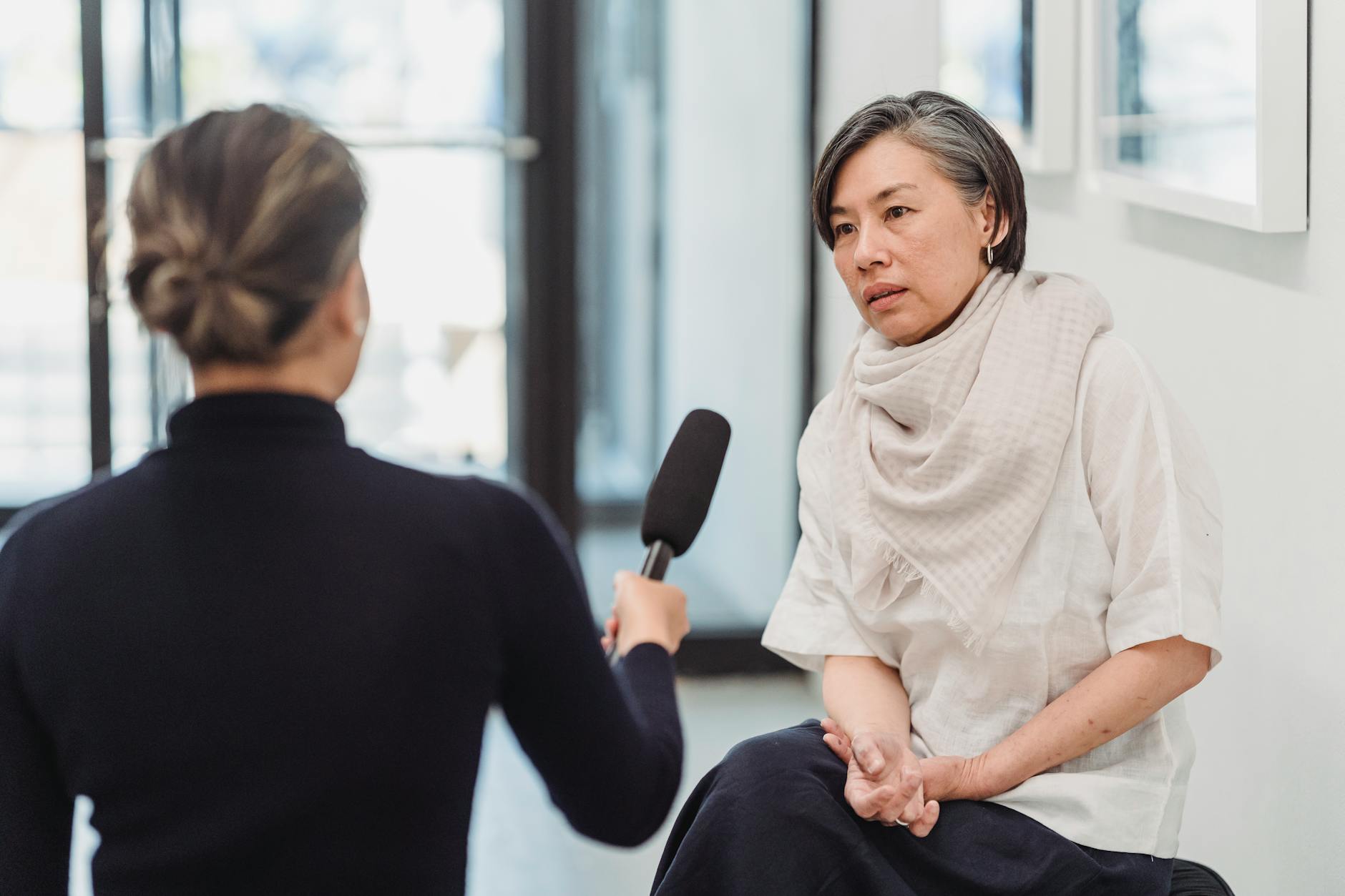
Interviews form the backbone of many artist spotlights. A compelling interview reveals depth, personality, and insights that attract readers and collectors. Here’s how to prepare and execute a great interview.
Preparing for the Interview
Research the artist thoroughly: review their portfolio, past interviews, and biographical details. Prepare 10-15 open-ended questions that cover their inspiration, techniques, challenges, and future projects. Customize questions to their specific work. For example, if they use encaustic, ask about the challenges of that medium. Send questions in advance if the artist prefers, but be ready to follow tangents during the conversation.
Sample Interview Questions
- What sparked your interest in [specific medium or subject]?
- Describe a typical day in your studio.
- How has your work evolved over the past five years?
- What role does failure play in your creative process?
- Which living artists do you admire and why?
- What advice would you give to your younger self?
Conducting the Interview
Choose a quiet environment, record the conversation (with permission), and take notes. Listen actively and ask follow-up questions. Aim for a natural flow rather than sticking rigidly to your list. For a video interview, ensure good lighting and framing. After the interview, transcribe and edit for clarity. Highlight quotes that encapsulate the artist’s voice. For example, from a recent interview with sculptor Kenji Tanaka: "The void is as important as the form. Without emptiness, the solid has no meaning."
Editing and Presenting the Interview
Structure the final piece with an engaging lead, then arrange Q&A. Use pull quotes and images to break up text. Include a brief bio and links to the artist’s website and social media. Add a call to action, such as "Explore more works by this artist in our Emerging Artists Collection."
Building an Online Presence
In today’s digital age, an online presence is non-negotiable. It’s your global portfolio and networking hub.
Essential Platforms
| Platform | Purpose | Best Practices |
|---|---|---|
| Visual storytelling, engagement | Post daily stories, use relevant hashtags (#artspotlight, #contemporaryart), engage with comments | |
| Professional networking, opportunities | Connect with curators and galleries, share articles about art business | |
| News, conversations | Follow art journalists, participate in Twitter chats like #Articulation | |
| YouTube | Long-form video content | Create studio tours, tutorials, artist Q&As |
| Inspiration, traffic | Create boards of your work and other artists you admire |
Content Strategy
Post a mix of finished works, works-in-progress, behind-the-scenes, and personal stories. Use analytics to determine best posting times. For Instagram, use 9-12am and 6-9pm weekdays. Engage with others by commenting on their posts and sharing their work. Collaborate on Instagram Lives or takeovers. For example, artist using Instagram Reels showing their painting process saw a 50% increase in profile visits.
Website Essentials
Your website should be clean, fast, and mobile-friendly. Use a platform like Squarespace or WordPress. Essential pages: Home, Portfolio, About, CV (downloadable PDF), Contact, and Shop (if applicable). Include an email signup form. Optimize for SEO with relevant keywords like "artist spotlights" and "art career guide." Add meta descriptions to all pages. Ensure images are compressed for quick loading.
Networking and Community Engagement
Networking is about building genuine relationships, not just collecting contacts.
In-Person Networking Strategies
- Attend openings with a friendly attitude. Avoid hard selling; ask people about their interest in art.
- Bring business cards with your website and social media handles.
- Volunteer at art events to meet organizers and artists.
- Follow up within 48 hours with a brief email referencing your conversation.
Online Networking Tactics
- Join Facebook groups for artists in your medium or region.
- Participate in Twitter chats (e.g., #ArtChat) and LinkedIn discussions.
- Write guest posts for art blogs to expand reach.
- Interview fellow artists on your blog or podcast.
Building Community Partnerships
Collaborate with local businesses, galleries, or non-profits for exhibitions or events. For instance, an artist might partner with a coffee shop to display their work for a month, reaching new audiences. Such partnerships can lead to sales and future referrals.
Financial Management for Artists
Financial literacy is crucial for sustaining an art career. Many artists struggle with inconsistent income, but proactive planning can mitigate risk.
Budgeting and Pricing
Track all expenses: studio rent, materials, marketing, shipping, travel. Build a budget that covers at least six months of expenses. Price your work based on size, medium, time spent, and comparable artists. For example, a 24x36 inch acrylic painting might range from $1,500 to $5,000 depending on your reputation. Use a formula: (hourly rate × hours) + materials + overhead + (gallery commission if applicable).
Diversifying Income Streams
Relying solely on artwork sales is risky. Explore:
- Commissions (e.g., custom portraits, murals)
- Teaching workshops or online courses
- Art licensing (prints, merchandise)
- Rental fees for exhibitions
- Grants and fellowships
- Part-time job in related field (e.g., museum education)
A survey by the National Endowment for the Arts found that artists with multiple income streams earn 30% more on average than those with a single source.
Tax and Legal Considerations
- Keep receipts for all business expenses.
- Understand self-employment taxes and quarterly estimated payments.
- Use a separate credit card for art purchases.
- For copyright, register your works with the US Copyright Office (fees start at $45 online).
- Have contracts for sales, commissions, and gallery agreements reviewed by an attorney.
Leveraging Social Media for Career Growth
Social media is a powerful tool for artist spotlights and career building.
Platform-Specific Strategies
Instagram: Use carousel posts to show detail shots. Utilize Reels for time-lapse videos. Engage with art hashtags like #AbstractArt and #ArtistsOnInstagram. Run contests or giveaways to increase followers.
LinkedIn: Publish articles about your artistic process or industry trends. Connect with curators and join art business groups. Share updates about exhibitions.
YouTube: Create a series like "Studio Sundays" or "Art Supply Reviews." Collaborate with other YouTubers for cross-promotion.
Measuring Success
Track metrics: follower growth, engagement rate, website clicks, and sales attributed to social media. Use UTM parameters to track links. For example, if you post a link to your shop on Instagram Stories, use a unique URL. Adjust strategy based on data: if Reels get more views, create more Reels.
Applying for Opportunities: Grants, Residencies, and Exhibitions
A structured approach increases success rates.
Finding Opportunities
- Subscribe to newsletters from organizations like Creative Capital, Pollock-Krasner Foundation, and local arts councils.
- Use grant databases like Grants.gov and Foundation Center.
- Follow residency programs on Instagram and Twitter.
- Set up Google Alerts for keywords like "artist residency 2024" and "art grant application."
Crafting a Winning Application
- Read guidelines carefully; tailor your proposal to each opportunity.
- Write a compelling artist statement that connects your work to the program's mission.
- Choose images that represent your strongest work and variety.
- Request letters of recommendation from respected colleagues or mentors.
- Proofread multiple times; ask a friend to review. Submit before the deadline.
Example: Successful Residency Application
Artist Julia Park applied to the MacDowell Colony with a project proposal for a series of sculptures exploring climate change. She included mock-ups, a timeline, budget, and supporting images. Her application highlighted how the residency's rural setting would inspire her use of natural materials. She was accepted and later exhibited the series at a museum.
Measuring Success and Evolving Your Career
Define what success means for you: gallery representation, regular sales, critical acclaim, or creative fulfillment. Set short-term and long-term goals.
Key Performance Indicators (KPIs)
- Social media followers and engagement
- Website traffic and email subscribers
- Number of exhibitions per year
- Number of artworks sold and total revenue
- Grants and residencies awarded
- Media mentions and interviews
Regular Review and Adjustment
Quarterly, assess your progress. What's working? What isn't? Are you meeting your goals? Revise your strategy. For example, if your Instagram following isn't growing, try a different content format or hashtag set. Attend professional development workshops to sharpen business skills.
Conclusion
Building a successful art career requires more than talent; it demands strategic use of artist spotlights, diligent career planning, and consistent effort across marketing, networking, and financial management. By mastering interviews, leveraging social media, and pursuing opportunities diligently, artists can gain the visibility and professional foundation needed to thrive. Use this guide as a roadmap, but adapt it to your unique path. The art world is vast, but with the right approach, your voice can be heard and your work celebrated.
For more in-depth insights, explore our related articles: How to Get Featured on Artist Spotlights, Art Career Tips from Gallery Directors, and Social Media Strategies for Visual Artists.