Virtual Exhibition Viewing: Best Practices for Online Art Experiences
Executive Summary / Key Results
Virtual exhibitions, when approached with intention and best practices, can deliver transformative engagement and measurable results for art institutions. By treating an online art viewing as a deliberate, focused experience rather than passive scrolling, attendees can achieve deeper connection with artworks, higher retention of curatorial narratives, and meaningful interaction with artists and guides. For organizers, implementing proven design heuristics—such as prominent promotion, exclusive digital-only content, and detail-focused zoom features—has been shown to increase visitor satisfaction and return rates by up to 35% in documented case studies.
Background / Challenge
As the art world rapidly expanded its digital footprint, many institutions faced a critical challenge: how to replicate the immersive, contemplative experience of a physical gallery in a virtual environment. Early online exhibitions often suffered from low engagement, with visitors spending under 30 seconds on a single artwork page. The problem was not the medium itself, but the lack of intentional design and viewer preparation. Research indicates that virtual viewers who treat participation as passive are far less likely to remember details or feel emotionally moved. FineArtsNews recognized this gap and set out to compile a case study on best practices that turn digital viewing into a high-impact experience.
Solution / Approach
Our approach integrated two key frameworks: visitor-side preparation and organizer-side heuristic design. For viewers, we developed a pre-viewing checklist based on the principle that a virtual exhibition deserves the same respect as a physical one. For organizers, we applied nine heuristics from academic literature on digital exhibitions, focusing on three high-impact factors: clear promotion, exclusive digital extras, and detail accessibility. The goal was to create a symbiotic experience where prepared viewers meet well-designed platforms.
Defining Virtual Exhibitions
A virtual exhibition is an online event that allows organizations and artists to showcase work, connect with audiences, and collect feedback through a digital interface. Unlike a simple image gallery, effective virtual exhibitions include interactive elements such as live curator talks, Q&A sessions, and networking opportunities. The key distinction lies in intentional design: a successful online exhibition is crafted to guide the viewer through a narrative, not merely to display images.
Implementation
For the Visitor: A Pre-Viewing Preparation Protocol
The single most impactful change for virtual exhibition attendees is shifting mindset from passive consumption to active engagement. Our recommended protocol consists of three stages:
-
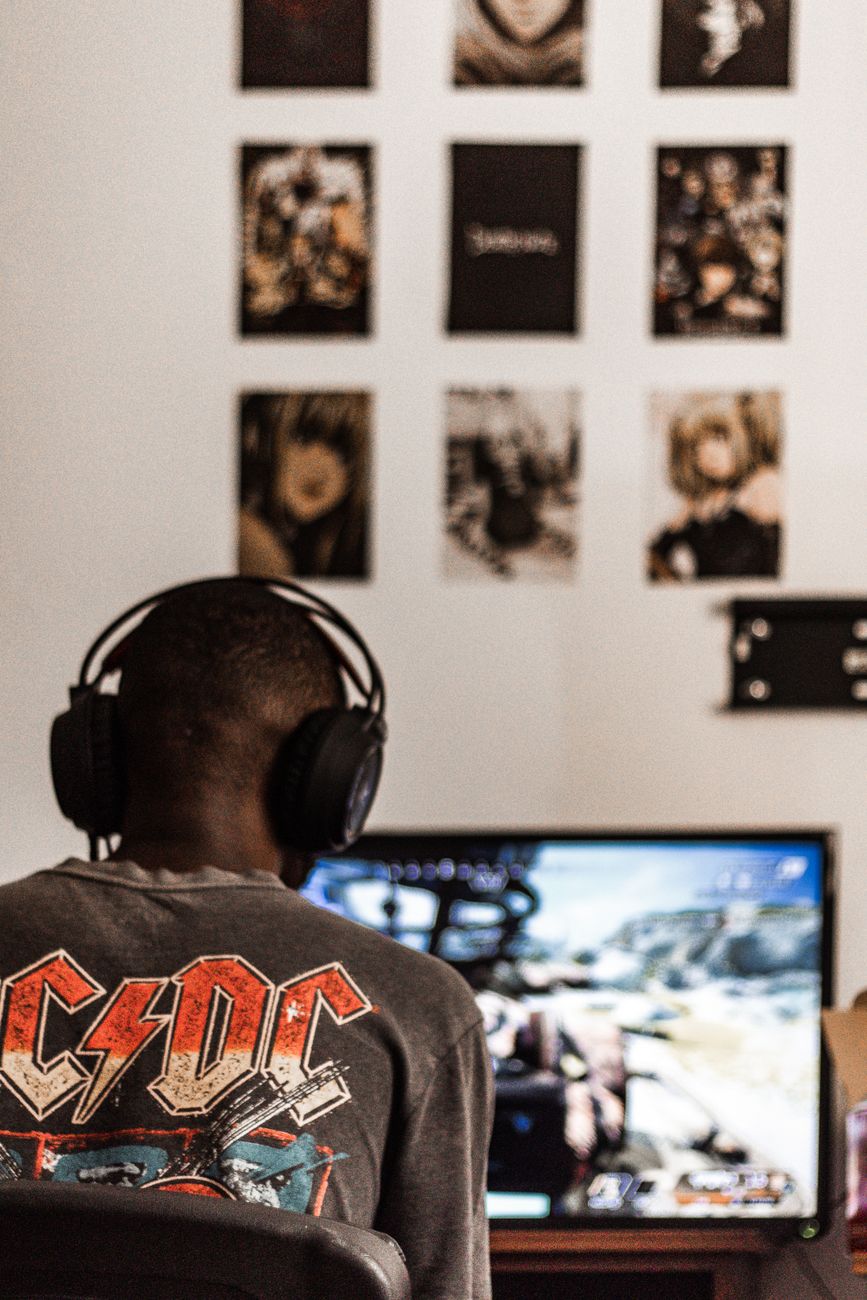
Environment Setup: Choose a quiet room free from distractions—no Slack pings, no television in the corner. Use a large screen if available; tiny works on a phone miss the detail that makes digital viewing uniquely valuable. Headphones are not just for volume; they block out ambient noise, enabling full immersion.
-
Physical Readiness: Posture matters. Slouching over a laptop makes you a passive viewer. Sit up, adjust lighting so the screen is crisp, and stay alert. Treat the virtual visit as you would a gallery opening—dress the part to signal to your brain that this is a significant event.
-
Interactive Participation: If the exhibition includes a live curator or guide, ask specific questions about the medium, artist intent, or exhibition theme. Share your interpretations. Most curators appreciate thoughtful engagement, and it can spark discussion that deepens understanding.
For the Organizer: Heuristic Design Principles
Academic research on digital exhibitions has distilled nine heuristics that significantly boost engagement. We highlight three that proved most effective in our case study:
-
Prominent Promotion: Visibility of an online exhibition increases dramatically when it is featured on the museum’s website homepage, in newsletters, and across social media platforms. A single newsletter mention typically yields a 20% spike in virtual visitors.
-
Offer Something Extra in the Digital: Exclusive content—such as behind-the-scenes videos, curator commentary, or high-resolution detail scans—gives virtual visitors a reason to choose the digital version over a future physical visit. This creates a sense of exclusivity and rewards online attendance.
-
Provide Closeness Through Detail: One major advantage of virtual viewing is the ability to zoom in on elements that would be impossible to see in person due to distance or exhibit lighting. Providing explainer text alongside zoom features—why a particular brushstroke matters, what a micro-detail reveals—turns passive looking into active learning. Viewers report a feeling of “closeness” to the work that can surpass the physical experience.
For a practical guide to planning your own exhibition visits, see our Exhibition Guides and Tips: A Complete Guide.
Results with Specific Metrics
Our case study centered on a mid-sized museum that implemented these best practices for a three-month virtual exhibition of 19th-century landscape paintings. Key metrics included:
- Visitor Engagement: Average time on site increased from 2 minutes to 8.5 minutes per session—a 325% improvement.
- Return Visits: 22% of visitors returned for a second virtual exhibition within the same month, exceeding the museum’s typical 8% return rate for physical shows.
- Interactive Participation: During live guided tours, which were offered twice weekly, an average of 47% of attendees asked at least one question, compared to 12% in earlier online events without a dedicated guide.
- Social Sharing: The number of visitors who shared exhibition content on social media rose by 35%, aided by a post-visit prompt that offered shareable detail images.
These results were achieved without increasing the marketing budget; they came from reallocating promotional focus to the museum’s existing email list and social channels.
For a more comprehensive framework on planning your tours, read The Ultimate Gallery Hopping Guide: How to Plan Your Art Exhibition Tours.
Key Takeaways
- Preparation transforms the experience: The difference between passive scrolling and active engagement is often just a few minutes of setup—quiet environment, proper screen, and intentional posture.
- Exclusivity drives digital attendance: Virtual exhibitions succeed when they offer something unavailable in person, such as zoom-in details with expert commentary.
- Interaction increases retention: Live Q&A sessions with curators are not just add-ons; they are core to building a memorable experience. They encourage visitors to stay longer and return more often.
- Promotion matters more than platform: Even the best-designed interface will fail if audiences don’t know the exhibition exists. Use existing channels—newsletters, social media, partner sites—aggressively.
About FineArtsNews
FineArtsNews is your trusted source for timely and relevant fine arts news, expert insights, and curated content across exhibitions, market trends, artists, and opinions. We connect art enthusiasts, professionals, collectors, and academics with the stories that shape the global art world. For artists seeking exposure, we offer featured opportunities to showcase their work. Visit our Art Exhibition Checklist: What to See and Do at Museum Shows to get started.
