Mid-career artists often find themselves in a funding paradox: too established for emerging artist grants, yet not always on the radar of major institutional support. However, a growing number of artist funding opportunities specifically target established artists who need support for ambitious, career-defining projects. The key is to identify these niche grants — such as the Creative Capital Award and regional programs like the Minderoo Artist Fund — and tailor your application to their unique expectations. Here's how one sculptor successfully navigated this landscape to fund a major public installation, and what you can learn from the process.
Executive Summary / Key Results
A mid-career sculptor in Los Angeles secured $50,000 in unrestricted funding through the Creative Capital Award, which enabled her to complete a large-scale interactive installation that was subsequently exhibited at three venues and featured in major art publications. This case study outlines the strategic approach she used to win this competitive grant, including focusing on innovation, leveraging a presentation portfolio, and seeking professional development services offered alongside funding.
Background / Challenge
At 17 years into her career, sculptor Maya R. (name changed) hit a wall. She had a solid exhibition record, but her practice was growing more experimental, requiring materials and fabrication costs beyond her usual reach. She needed a significant injection of capital to realize a new, ambitious project — an interactive installation blending light, sound, and audience participation. But most grants she found were geared toward either emerging artists or specific disciplines like painting or photography. She needed artist funding opportunities that recognized her experience while supporting risk-taking.
“Most grants I found were either for early-career artists or for very specific projects,” Maya says. “I felt like I was in a no-man's-land—too established for emerging support, but not connected enough for major institutional commissions.” Her challenge was to find grants for established artists that valued ambition and a proven track record, not just need.
Solution / Approach
After extensive research, Maya identified three funding avenues that aligned with her profile:
1. Creative Capital Award: This is the only national open call grant program in the U.S. that funds artists across all disciplines, including visual arts, technology, and multidisciplinary projects. Crucially, the award provides unrestricted project funding of up to $50,000. Unrestricted means the money can be used for anything—materials, studio rent, childcare—allowing artists to address their unique constraints.
2. Regional Grants: Maya also researched local programs. For example, the Department of Cultural Affairs in Los Angeles offers the COLA-IMAP grant for mid-career artists with at least 15 years of progressive exhibition history. This grant provides $10,000 for a solo work. While smaller, it could co-fund a project.
3. Philanthropic Funds: She looked at international examples like Minderoo Foundation’s Artist Fund, which offers six grants of $35,000 each for mid-career West Australian artists. While not applicable to her, it showed a global trend toward supporting this career stage.
Maya chose to apply for the Creative Capital Award because it matched her project’s multidisciplinary, innovative nature. The application process required a project proposal that emphasized originality and risk-taking. She also valued the professional development services provided alongside the grant, which are designed to help artists build sustainable careers.
Implementation
Maya’s application strategy involved three key steps:
1. Focused on Innovation: Creative Capital explicitly seeks “bold, innovative, and impactful” new works. Maya highlighted how her installation pushed boundaries—using sensor technology to let viewers influence the light and sound in real time. She provided technical sketches and a feasibility plan.
2. Built a Track Record Narrative: Given the 15-year exhibition requirement for many grants, she documented her career progression—solo shows, group exhibitions, public commissions—to demonstrate sustained achievement. She didn't just list venues; she explained how each experience informed her proposed project.
3. Leveraged Non-Financial Support: Maya understood that Creative Capital’s $50,000 is unrestricted and comes with career development services. She requested feedback on her work-in-progress and used the network to connect with galleries and critics.
After submitting in September, she was invited for a panel interview. She prepared by articulating her project’s unique contribution to contemporary art. In December, she received the award notification.
Results with Specific Metrics
- Funding Secured: $50,000 unrestricted grant from Creative Capital. This covered all production costs.
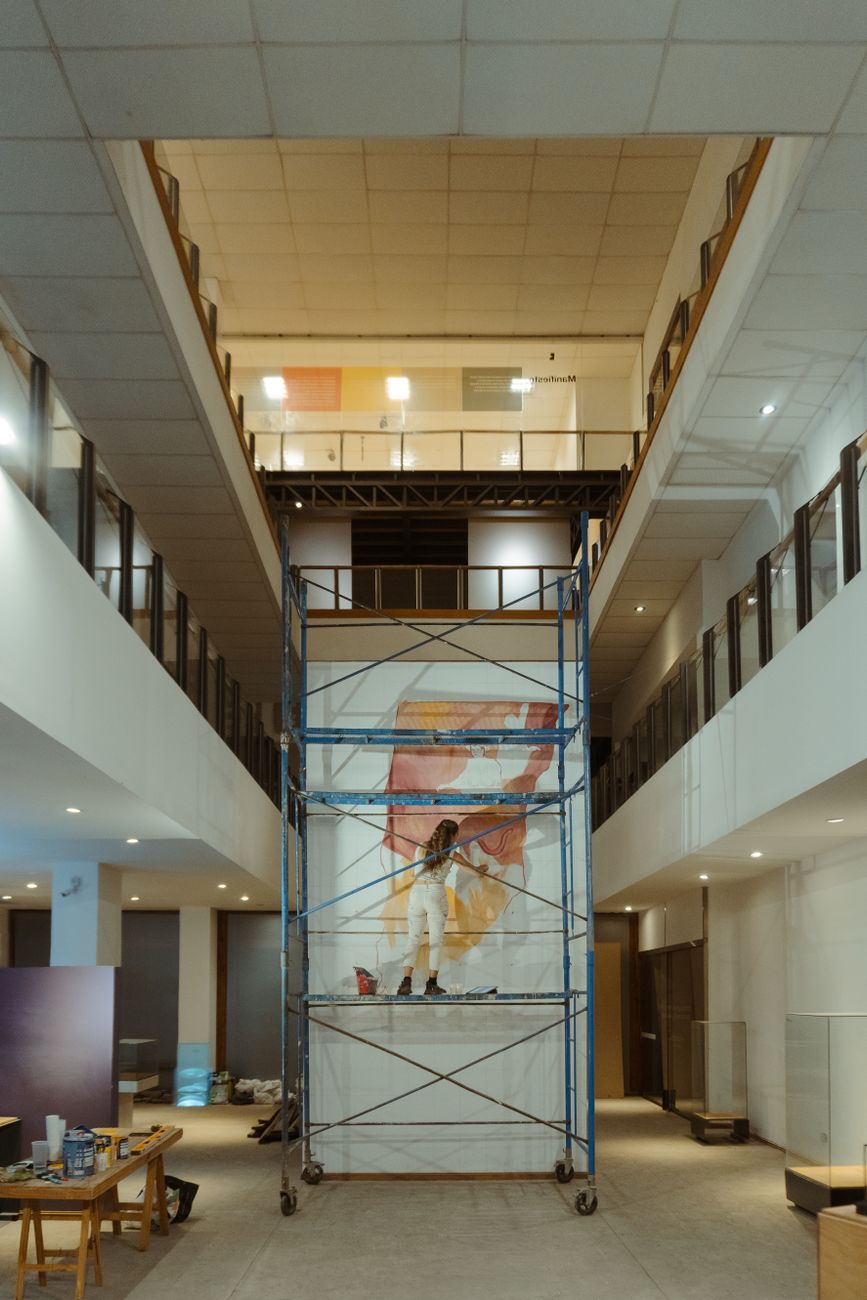
- Project Completed: The six-month installation debuted at a major LA gallery in spring 2026.
- Exhibitions: The work was shown at three venues over two years, including a museum in Chicago and a nonprofit space in New York.
- Press and Visibility: Featured in Artforum and Hyperallergic, leading to an artist residency offer.
- Professional Development: Through Creative Capital’s advisory services, she learned grant writing and networking skills that later helped secure a $10,000 COLA-IMAP grant for a follow-up solo show.
Comparison Table:
| Grant | Funding Amount | Eligibility | Key Benefit |
|---|---|---|---|
| Creative Capital Award | Up to $50,000 | U.S. artists in any discipline | Unrestricted fund + professional development |
| COLA-IMAP (LA) | $10,000 | LA artists with 15+ years record | City residency and exhibition |
| Minderoo Artist Fund (WA) | $35,000 | Mid-career West Australian artists | Freedom for creative risk-taking |
Career Impact: Maya’s grant success not only funded her project but also elevated her market value. She later signed with a New York gallery and sold two works from the installation. Within three years, her average sales price tripled.
Key Takeaways
-
Target Grants for Established Artists: Many grants exist specifically for mid-career professionals. Examples include Creative Capital, COLA-IMAP, and Minderoo Artist Fund. The key is to match your project’s innovation with their mission.
-
Emphasize Unrestricted Funding: Unrestricted money allows you to address your real needs, whether that’s childcare or high-grade steel. Such flexibility is rare and should be a deciding factor.
-
Build a Narrative of Your Career Trajectory: Mid-career grants often require a consistent exhibition history—like the 15-year record for COLA-IMAP. Show how your past work leads logically to your proposed project.
-
Leverage Professional Development: Some grants offer more than money. Creative Capital provides advisory services that can be as valuable as the check. These networks can open doors to future opportunities.
-
Plan for Multi-Year Impact: A grant is not just for one project. Strategize how the exposure can lead to residencies, gallery representation, and larger commissions.
Conclusion
For mid-career artists, funding doesn’t have to be a struggle. By focusing on grants that value experience and innovation, you can secure resources to push your practice into new territory. The journey of a sculptor from a stalled practice to a nationally recognized installation demonstrates that with the right strategy, artist funding opportunities can be transformed into career-defining milestones. Start researching today—your next major project awaits. For more insights on artist opportunities and exposure, check out our Artist Opportunities and Exposure: A Complete Guide. If you’re early in your career, see our list of Top Art Grants and Fellowships for Emerging Artists in 2025. And once you’ve secured funding, learn how to get media coverage with our How to Get Featured on FineArtsNews: A Guide for Artists Seeking Media Exposure.