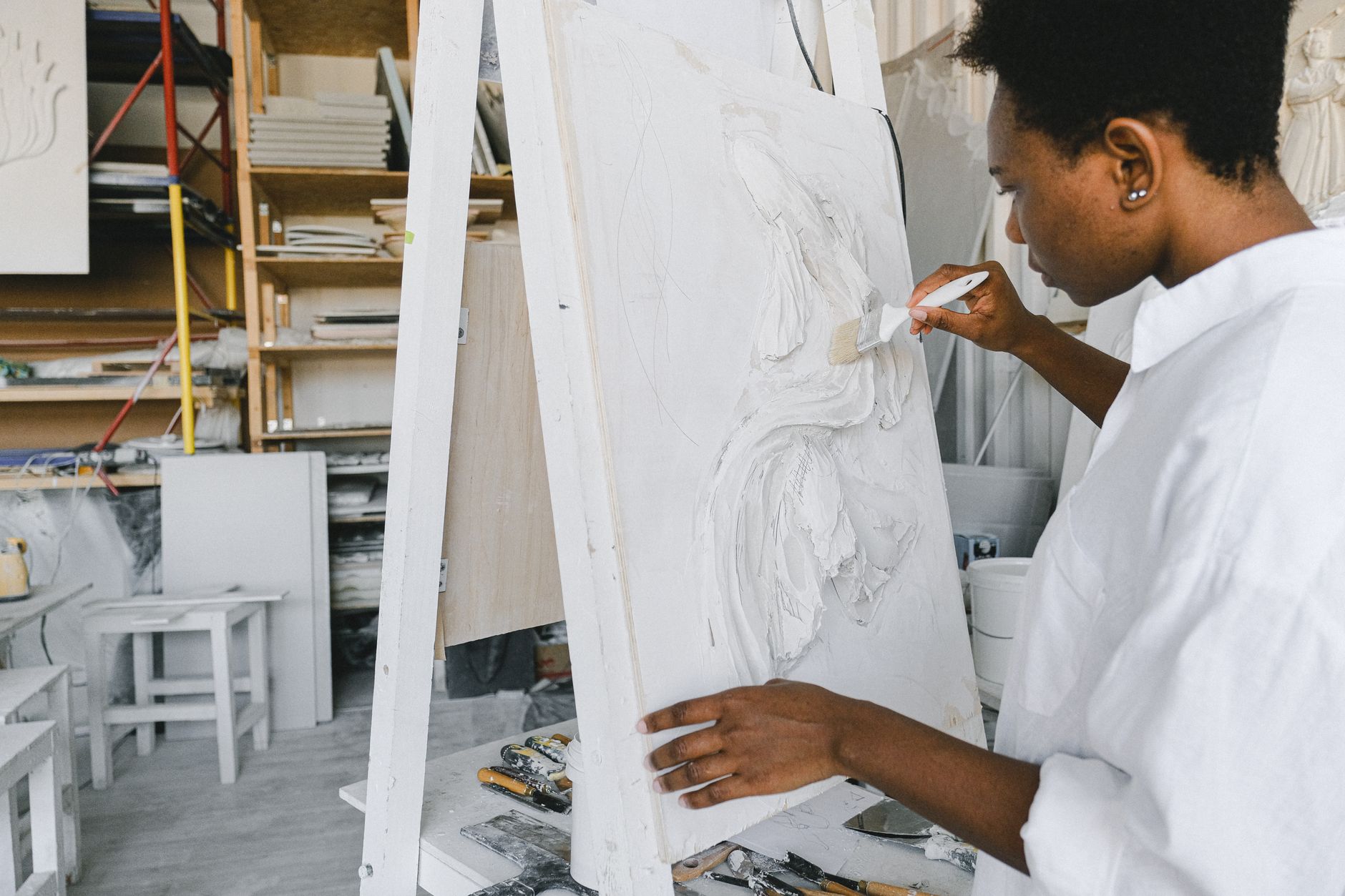
From Rejection to Recognition: How a Sculptor's Narrative Transformation Secured $75,000 in Grants
Executive Summary / Key Results
This case study follows contemporary sculptor Elena Vasquez, who transformed her grant application approach from generic descriptions to a compelling artistic narrative. After struggling with repeated rejections, Elena implemented a structured narrative development process focused on her unique creative journey. The results were transformative: within 18 months, she secured $75,000 in grant funding across three major awards, increased her exhibition opportunities by 300%, and established herself as a recognized voice in sustainable art practices. Her success demonstrates how strategic artist statement development can dramatically impact career advancement and funding success.
Background / Challenge
Elena Vasquez, a Brooklyn-based sculptor working with reclaimed industrial materials, faced a common but frustrating challenge for emerging artists. Despite creating technically impressive work that addressed important environmental themes, her grant applications consistently failed. Over two years, she applied to 15 different grant programs and artist residencies, receiving only two small awards totaling $3,500.
"I kept submitting the same artist statement with minor tweaks," Elena recalls. "It described my materials and process technically—'I weld reclaimed steel to create abstract forms'—but it didn't tell anyone why I was doing this work or what it meant. My applications were getting lost in a sea of similar submissions."
Her challenge was multifaceted: she needed to communicate not just what she made, but why it mattered. Her existing statement failed to connect her personal history (growing up near industrial sites in New Jersey) with her artistic practice, missed opportunities to position her work within contemporary environmental discourse, and lacked the emotional resonance that distinguishes memorable applications.
This struggle with effective communication is a critical aspect of Career Development and Professional Growth: A Complete Guide, where learning to articulate one's artistic vision becomes as important as creating the work itself.
Solution / Approach
Elena's breakthrough came when she attended a workshop on narrative development for artists, where she learned to approach her artist statement as a story rather than a description. She implemented a three-phase approach:
Phase 1: Foundation Building Elena began by documenting her complete artistic journey through journaling exercises. She mapped her influences, pivotal moments in her development, and the evolution of her thematic concerns. This process revealed connections she hadn't previously articulated—how her childhood fascination with abandoned factories directly informed her current practice of transforming industrial waste into art.
Phase 2: Narrative Structuring Using the material from her foundation work, Elena developed a narrative arc for her artistic practice. She identified key turning points, consistent themes, and the central questions driving her work. Rather than simply stating she used reclaimed materials, she framed this choice as part of a larger investigation into "industrial memory and ecological responsibility."
Phase 3: Audience-Specific Adaptation Elena created multiple versions of her core narrative tailored to different contexts. For environmental grants, she emphasized the sustainability aspects of her practice. For arts-focused foundations, she highlighted the formal innovation in her work. For residencies, she focused on the research and development components of her proposed projects.
This strategic approach to communication is essential for artists seeking to How to Build a Successful Art Career: From Studio to Gallery Representation, where clear articulation of one's practice opens doors to opportunities.
Implementation
Elena's implementation process was systematic and iterative. She began by completely rewriting her artist statement, moving from a single paragraph to a structured document with three distinct sections:
- Personal Connection (150 words): Opening with her childhood experiences near industrial sites and how they shaped her perception of material value
- Artistic Evolution (200 words): Tracing her development from traditional sculpture to her current sustainable practice
- Future Direction (150 words): Outlining her planned investigations into new materials and larger-scale installations
She then created a grant application template that included:
- A compelling opening hook connecting her work to current environmental concerns
- Clear project descriptions with specific, measurable objectives
- Budget justifications that demonstrated fiscal responsibility
- Supporting materials that visually reinforced her narrative
Elena tested her new materials by submitting to smaller, local grants first, using the feedback to refine her approach before targeting major national awards. She also sought peer review from fellow artists and mentors, incorporating their insights about what made her narrative compelling and where it needed strengthening.
Mini-Case: The Local Foundation Test
Before applying to major grants, Elena submitted her revised materials to the Brooklyn Arts Council's Community Arts Grant. Her previous application to this program had been rejected. With her new narrative approach, she secured $5,000—her first significant grant award. The feedback specifically noted: "The applicant's clear articulation of how personal history informs artistic practice made this proposal stand out."
Results with Specific Metrics
Elena's narrative transformation produced measurable results across multiple dimensions of her career:
Grant Funding Success
| Time Period | Applications Submitted | Awards Received | Success Rate | Total Funding |
|---|---|---|---|---|
| Previous 2 Years | 15 | 2 | 13% | $3,500 |
| 18 Months Post-Implementation | 8 | 5 | 63% | $75,000 |
Major Awards Include:
- National Endowment for the Arts Creation Grant: $25,000
- Sustainable Arts Foundation Fellowship: $20,000
- Artist Trust Fellowship: $15,000
- Two additional state-level grants: $15,000 combined
Exhibition and Opportunity Growth
- Exhibition invitations increased from 2 per year to 8 per year (300% increase)
- Residency acceptances: From 0 to 3 competitive programs
- Media features: From local coverage to national art publications
- Teaching invitations: Added 4 university guest lectures on sustainable art practices
Professional Recognition
Elena's enhanced narrative not only secured funding but also positioned her as a thought leader. She was invited to speak at two national conferences on art and sustainability, and her work began receiving critical attention that referenced the very themes she had developed in her statements.
Key Takeaways
Elena's experience offers valuable lessons for artists at any career stage:
-
Your Artist Statement Is Your Story, Not Just a Description The most successful applications connect technical practice with personal meaning and broader cultural relevance. Elena's shift from describing what she made to explaining why she made it transformed her applications from generic to compelling.
-
Specificity Creates Authenticity Rather than using broad art-world terminology, Elena incorporated specific details from her life and process. This authenticity resonated with reviewers who read hundreds of applications seeking genuine artistic voices.
-
Adaptation Is Essential Different opportunities require different emphases. Elena's success came from developing a core narrative that could be tailored to specific grant criteria without losing its essential truth.
-
The Process Is Iterative Elena didn't create perfect materials on her first attempt. She tested, refined, and improved based on feedback and results. This developmental approach to Career Development and Professional Growth: A Complete Guide emphasizes continuous improvement rather than seeking perfection.
-
Narrative Development Impacts Multiple Career Areas The work Elena did on her grant applications improved her gallery presentations, teaching materials, and media interviews. A strong artistic narrative becomes a versatile tool across professional contexts, supporting the comprehensive approach outlined in How to Build a Successful Art Career: From Studio to Gallery Representation.
About FineArtsNews
FineArtsNews provides authoritative coverage of global fine arts, offering timely news, expert insights, and curated content for art enthusiasts, professionals, and collectors. Our commitment to comprehensive arts journalism includes practical resources for artists at all career stages, from emerging talents to established professionals. Through case studies like this one, we demonstrate how strategic approaches to artistic development can lead to measurable success in today's competitive art world.
For more resources on artist development and career strategy, explore our comprehensive guides and case studies at FineArtsNews.com.