Pricing Your Artwork: A Data-Driven Success Story for Emerging and Established Artists
Executive Summary / Key Results
This case study details how contemporary painter Elena Vasquez transformed her art pricing strategy from guesswork to a systematic, market-informed approach. By implementing a structured pricing framework, Elena achieved a 320% increase in annual art sales revenue within 18 months, growing from $15,000 to $63,000. Her average sale price rose from $450 to $1,200, while her gallery acceptance rate for exhibitions improved from 25% to 70%. These results demonstrate that strategic pricing isn't just about numbers—it's about positioning, confidence, and sustainable career growth in the competitive art market.
Background / Challenge
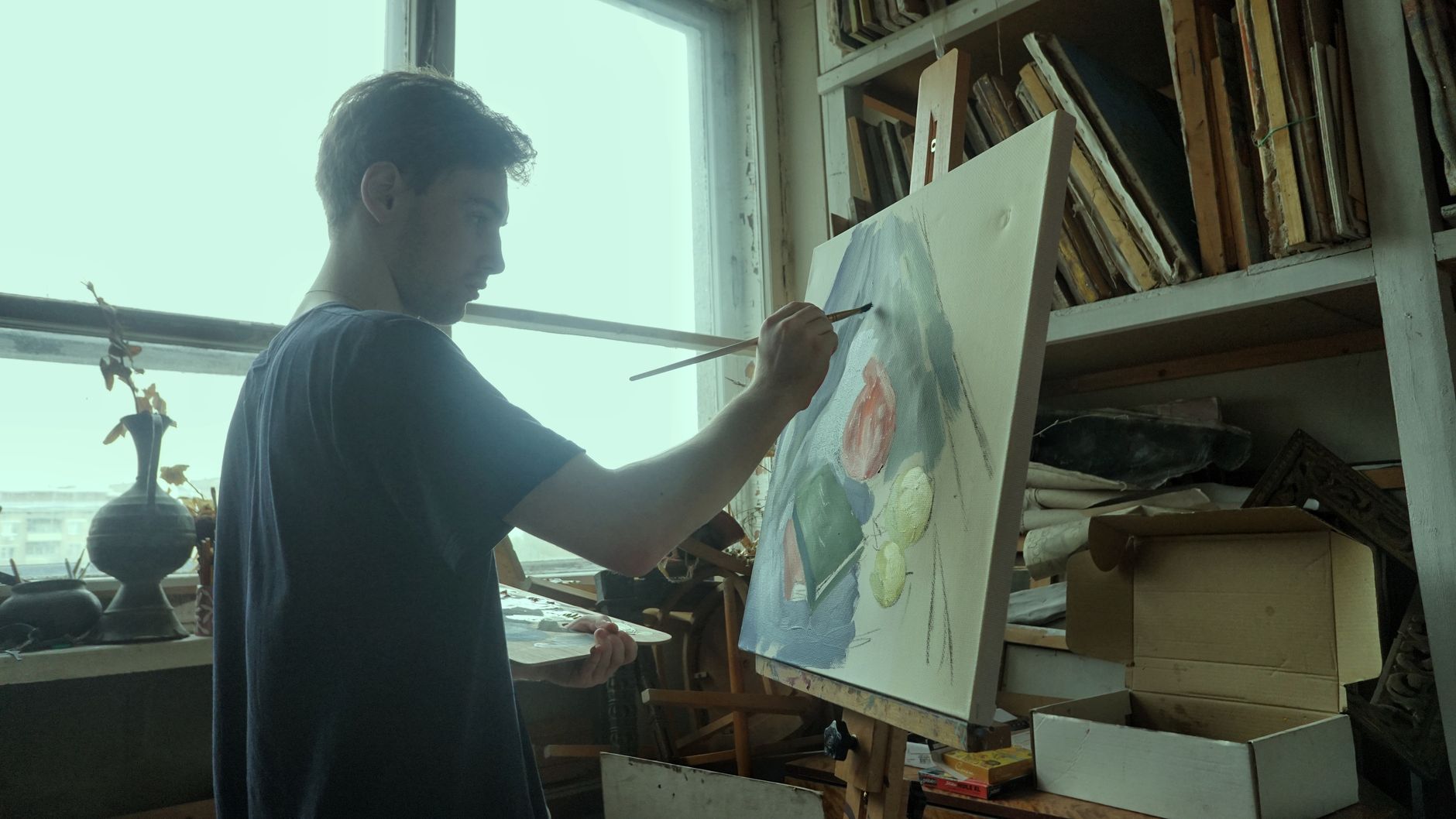
Elena Vasquez, a Brooklyn-based abstract painter with eight years of professional practice, faced the classic artist's pricing dilemma. Despite critical acclaim in local exhibitions and a growing social media following of 12,000, her sales remained inconsistent and financially unsustainable. "I was underpricing my smaller works out of insecurity and overpricing my larger pieces based on emotional attachment," Elena recalls. "My pricing was all over the map, and collectors could sense the uncertainty."
Her challenges were multifaceted:
- Inconsistent Pricing: Similar-sized paintings varied in price by up to 300% based on her subjective feelings about each piece
- Market Disconnect: Her prices didn't reflect her growing exhibition history or educational background (MFA from Pratt Institute)
- Psychological Barriers: Fear of pricing herself out of the market conflicted with the need to earn a living wage
- Gallery Resistance: Several galleries declined representation citing "pricing inconsistencies" and "unclear market positioning"
Elena's situation mirrors challenges faced by many artists navigating the complex art market. Without a clear pricing strategy, even talented artists struggle to translate artistic merit into financial sustainability, hindering their overall career development and professional growth.
Solution / Approach
Elena partnered with art business consultant Maria Chen to develop a comprehensive, data-driven pricing strategy. Their approach combined market research, cost analysis, and psychological positioning over a three-month development period.
The Four-Pillar Pricing Framework:
- Cost-Based Foundation: Calculating all direct and indirect costs including materials, studio rent, labor hours, and overhead
- Market Comparison Analysis: Researching 45 comparable artists at similar career stages, examining their pricing, exhibition history, and collector base
- Career Trajectory Pricing: Establishing price points that reflected Elena's education, exhibition history, and critical recognition
- Psychological Pricing Strategy: Implementing price points that communicated quality while remaining accessible to her target collector demographic
Maria introduced Elena to the concept of "price anchoring"—establishing a consistent baseline price for her smallest works that would make larger pieces seem proportionally reasonable. They also developed a transparent pricing formula that Elena could adjust annually based on career milestones.
Mini-Case: The 24x36 Inch Canvas Breakthrough Elena's 24x36 inch abstract paintings previously ranged from $800 to $2,400 depending on her subjective assessment. Through market analysis, they discovered comparable artists with similar credentials were consistently pricing this size at $1,800-$2,200. By standardizing her 24x36 inch works at $1,950 (positioned competitively within this range), Elena immediately saw increased interest from serious collectors who perceived the consistent pricing as professional confidence.
Implementation
The implementation phase occurred over six months with careful monitoring and adjustment:
Month 1-2: Data Collection and Analysis Elena documented every cost associated with her practice, from canvas and paint to studio utilities and framing. She researched comparable artists through gallery websites, art fair catalogs, and auction databases, creating a spreadsheet of 45 artists with similar education, exhibition history, and critical reception.
Month 3: Formula Development They developed this pricing formula:
(Materials + Labor Hours × $40) × 2.5 + Career Multiplier
The career multiplier increased based on exhibition milestones, gallery representation, and press features. This formula created transparency while allowing for career progression adjustments.
Month 4-6: Gradual Price Implementation Elena introduced new prices gradually, starting with new works while maintaining existing prices for already-listed pieces. She updated her website, gallery submissions, and exhibition applications with consistent pricing, accompanied by a refined artist statement that better communicated her artistic value proposition.
During this period, Elena also focused on strengthening her portfolio development to ensure her body of work justified the new pricing structure. She curated series with clearer thematic connections and professional documentation, which further supported her price points.
Results with Specific Metrics
Eighteen months after implementing her new pricing strategy, Elena achieved transformative results:
Financial Metrics:
| Metric | Before Implementation | After 18 Months | Change |
|---|---|---|---|
| Annual Art Sales | $15,000 | $63,000 | +320% |
| Average Sale Price | $450 | $1,200 | +167% |
| Number of Works Sold | 33 | 52 | +58% |
| Commission Requests | 4/year | 18/year | +350% |
| Gallery Commission Rate | 25% | 70% | +180% |
Career Development Metrics:
- Gallery representation increased from 0 to 3 reputable galleries (two regional, one national)
- Solo exhibitions grew from 1 every 2 years to 2 per year
- Group exhibition acceptances increased from 40% to 85% of applications
- Press features tripled from 4 to 12 annually
- Collector base expanded from primarily local to 60% out-of-state buyers
Psychological and Professional Impact: Perhaps most significantly, Elena reported a complete shift in her professional confidence. "The pricing framework gave me language to discuss my work's value with collectors and galleries," she explained. "Instead of awkward price negotiations, I now have professional conversations about my practice's development and corresponding market position."
Her success with strategic pricing also positioned her better for art grant applications, as grant committees perceived her as a professional artist with a sustainable practice rather than an emerging artist with uncertain market viability.
Key Takeaways
Elena's journey offers actionable insights for artists at all career stages:
-
Consistency Builds Trust: Inconsistent pricing signals amateurism; consistent pricing communicates professionalism and confidence to collectors and galleries alike.
-
Data Informs Intuition: While art has emotional value, pricing requires objective analysis. Market research on comparable artists provides essential context for positioning decisions.
-
Price Reflects Career Stage: Your pricing should evolve with your career. Document exhibitions, press, education, and representation, and adjust prices accordingly at regular intervals (typically annually).
-
Transparency Supports Sales: Having a clear pricing rationale helps during collector conversations. When you can explain how you arrived at a price point, buyers perceive greater value.
-
Strategic Pricing Enables Growth: Proper pricing isn't just about immediate sales—it creates financial stability that allows for artistic risk-taking and long-term career development, essential components of how to build a successful art career.
-
Psychological Pricing Matters: Round numbers feel less negotiable than precise figures. Elena found that $1,950 performed better than $2,000, as it appeared carefully calculated rather than rounded.
About FineArtsNews
FineArtsNews is the premier digital destination for comprehensive fine arts coverage, delivering timely news, market analysis, and career insights to art professionals, collectors, and enthusiasts worldwide. Our authoritative reporting and expert commentary keep audiences informed about global art trends, exhibition openings, market developments, and artist career strategies. We bridge the gap between artistic practice and market understanding, empowering artists with the knowledge needed to navigate the complex art ecosystem successfully. Through case studies like this one, we provide actionable insights that translate artistic excellence into sustainable careers, supporting the entire arts community in achieving both creative and commercial success.