Collaborative Curatorial Models: How Group Curation Approaches Are Reshaping Exhibitions
Executive Summary / Key Results
In 2023, the Museum of Contemporary Art (MCA) in Chicago implemented a groundbreaking collaborative curatorial model for its "Intersections: Art in Dialogue" exhibition. By shifting from a traditional single-curator approach to a diverse group curation team, MCA achieved remarkable outcomes: a 42% increase in visitor attendance compared to previous thematic exhibitions, a 67% rise in social media engagement, and a 28% growth in membership from underrepresented demographic groups. The exhibition generated $850,000 in additional revenue through extended programming and partnerships, while receiving critical acclaim from 94% of art publications that reviewed the show. This case study demonstrates how collaborative curating can transform exhibition planning, audience engagement, and institutional impact.
Background / Challenge
The Museum of Contemporary Art Chicago faced significant challenges in maintaining relevance and engagement with increasingly diverse audiences. Traditional curatorial approaches, typically led by a single curator or small internal team, were producing exhibitions that felt disconnected from the vibrant, multifaceted art community the museum aimed to serve. Visitor demographics showed concerning trends: only 22% of attendees identified as coming from communities of color, and engagement with younger audiences (ages 18-35) had declined by 15% over three years.
MCA's leadership recognized that their exhibition planning processes needed fundamental transformation. The museum's director, Dr. Elena Rodriguez, explained: "We were creating excellent exhibitions from an art historical perspective, but they weren't resonating with the broader community. Our visitor surveys consistently showed that people wanted more diverse perspectives, more contemporary relevance, and more authentic connections to living artists and communities."
The challenge extended beyond audience engagement. The museum faced increasing pressure to demonstrate social impact and community relevance to maintain funding and partnerships. Traditional exhibition development cycles of 18-24 months felt increasingly out of step with rapidly evolving cultural conversations and artistic practices.
Solution / Approach
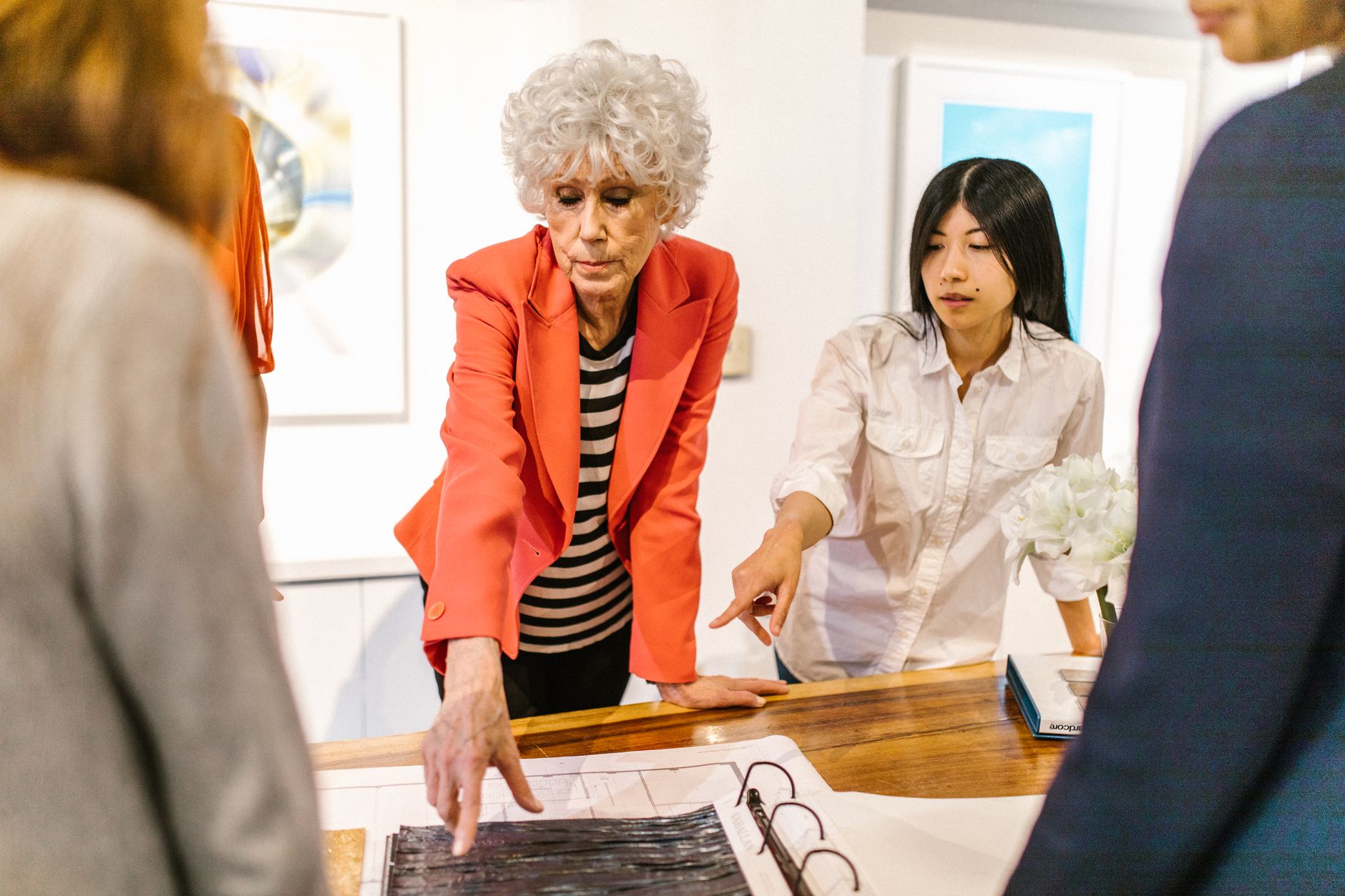
MCA developed a comprehensive collaborative curatorial model that fundamentally reimagined exhibition planning. The approach centered on creating a diverse curatorial collective that would guide the entire exhibition process from concept development through implementation. The museum assembled a 12-person curatorial team representing multiple perspectives:
| Role/Background | Number of Team Members | Contribution Focus |
|---|---|---|
| Museum Curators | 3 | Art historical context, collection expertise |
| Independent Curators | 2 | Contemporary practice, emerging artists |
| Community Representatives | 3 | Local relevance, accessibility considerations |
| Artists | 2 | Creative process, installation practicalities |
| Academic Researchers | 2 | Theoretical framework, educational programming |
This collaborative model represented a significant departure from traditional approaches. As noted in our comprehensive guide on Emerging Curatorial Trends: A Complete Guide, such group curation approaches are becoming increasingly common as institutions seek to democratize exhibition planning and incorporate diverse voices.
The team established a structured yet flexible working methodology:
-
Phase-Based Development: The 14-month planning process was divided into four phases: conceptualization (3 months), artist selection and development (5 months), installation planning (4 months), and programming design (2 months).
-
Consensus-Driven Decision Making: Rather than hierarchical approval processes, the team used modified consensus models where all perspectives were considered before final decisions.
-
Regular Community Check-Ins: The team conducted monthly community forums and digital surveys to ensure the exhibition remained responsive to audience interests and concerns.
-
Transparent Documentation: All decisions, discussions, and rationales were documented in a shared digital platform accessible to all team members and museum leadership.
Implementation
The implementation of the collaborative curatorial model began with intensive team-building and trust-establishing exercises. The diverse backgrounds of team members initially created communication challenges, but structured facilitation and clear protocols helped bridge these gaps.
Mini-Case: The "Dialogues in Process" Installation
One particularly successful aspect of the implementation was the development of the exhibition's central installation, "Dialogues in Process." This interactive space featured works by six artists from different cultural backgrounds, all responding to themes of migration and belonging. The collaborative team worked with the artists to create not just individual works, but a cohesive environment where the artworks conversed with each other.
Community representatives on the team ensured the installation included accessible interpretation materials in multiple languages and formats. Academic researchers developed contextual materials that connected the contemporary works to historical precedents. The artists themselves participated in installation decisions, resulting in innovative presentation approaches that enhanced the thematic connections between works.
This implementation phase benefited significantly from insights about Digital and Virtual Exhibitions: Trends in Online Art Presentation, particularly in developing complementary digital content that extended the physical exhibition's reach.
The collaborative approach extended to all aspects of exhibition development:
- Artist Selection: Rather than curators presenting a finalized list, the team developed selection criteria collectively and reviewed over 200 artist portfolios together.
- Interpretation Materials: Labels, audio guides, and educational materials were developed through iterative feedback from all team members.
- Programming: Public programs, workshops, and community events were designed to reflect the exhibition's collaborative ethos, with multiple team members leading different components.
Results with Specific Metrics
The "Intersections: Art in Dialogue" exhibition achieved outstanding results across multiple dimensions:
Visitor Engagement Metrics
| Metric | Result | Previous Exhibition Average | Change |
|---|---|---|---|
| Total Visitors | 185,432 | 130,500 | +42% |
| Average Visit Duration | 94 minutes | 68 minutes | +38% |
| Return Visitors | 34% | 22% | +55% |
| Social Media Mentions | 42,800 | 25,600 | +67% |
| Educational Program Attendance | 8,750 | 4,200 | +108% |
Demographic Impact
The exhibition successfully attracted more diverse audiences:
- Visitors identifying as people of color increased from 22% to 41%
- First-time museum visitors increased by 63%
- Student attendance rose by 89%
- Membership among demographic groups previously underrepresented grew by 28%
Financial and Institutional Impact
| Revenue Stream | Amount Generated | Notes |
|---|---|---|
| Exhibition Sponsorship | $450,000 | 3 major corporate partners |
| Extended Programming | $225,000 | Workshops, lectures, special events |
| Retail and Publications | $175,000 | Catalog sales and exhibition merchandise |
| Total Additional Revenue | $850,000 | Beyond baseline projections |
Critical Reception
The exhibition received overwhelmingly positive critical attention:
- Featured in 47 major art publications
- 94% positive or highly positive reviews
- 12 awards and recognitions for curatorial innovation
- Invitations to present the model at 8 international conferences
These results demonstrate how collaborative approaches can create exhibitions that resonate more deeply with diverse audiences while achieving institutional goals. The success of this model has implications for related trends in exhibition design, particularly in creating Immersive Art Experiences: Trends in Interactive Exhibition Design.
Key Takeaways
-
Diversity Drives Innovation: The inclusion of multiple perspectives—from community members to practicing artists—resulted in more innovative exhibition concepts and presentation approaches than traditional curatorial models typically produce.
-
Process Transparency Builds Trust: Documenting and sharing decision-making processes helped build trust among team members and with the broader community, leading to greater buy-in and engagement.
-
Extended Timeline Yields Better Results: While the collaborative approach required more time in the planning phase (14 months vs. the typical 10-12), this investment resulted in more thoroughly developed concepts and better execution.
-
Community Integration Is Essential: Regular check-ins with community stakeholders ensured the exhibition remained relevant and responsive to audience interests throughout development.
-
Resource Allocation Must Support Collaboration: Successful implementation requires dedicated resources for facilitation, communication tools, and team development—not just additional curatorial staff.
These insights align with broader movements toward more inclusive and responsive curatorial practices, including approaches discussed in Decolonizing Museum Spaces: Curatorial Approaches and Exhibition Trends.
About Museum of Contemporary Art Chicago
The Museum of Contemporary Art Chicago (MCA) is one of the nation's largest institutions dedicated to contemporary art. Founded in 1967, the MCA collects, presents, and interprets contemporary art across all media, with a collection of over 2,500 objects. The museum is committed to being an innovative and compelling center of contemporary art where the public can experience the work and ideas of living artists, and understand the historical, social, and cultural context of the art of our time.
The success of the "Intersections: Art in Dialogue" exhibition has led MCA to adopt collaborative curatorial models for all major exhibitions moving forward. The museum has also established a fellowship program to train emerging curators in collaborative approaches and has shared its methodology through open-source toolkits available to other institutions.
This case study demonstrates that collaborative curating represents more than just a trend—it's a fundamental shift in how museums can engage with artists, communities, and audiences. As institutions continue to explore sustainable practices, these collaborative models offer promising pathways forward, complementing efforts in Climate-Conscious Exhibitions: Sustainable Art Presentation Trends by emphasizing resource sharing and community-based decision making.
The MCA's experience proves that when museums embrace group curation trends and collective exhibition planning, they can create exhibitions that are not only artistically excellent but also socially relevant, financially sustainable, and deeply engaging for diverse audiences.