Collaborative Projects: How to Successfully Work with Other Artists and Institutions
Executive Summary / Key Results
In 2023, the collaborative project "Urban Echoes" between contemporary artist Maya Chen and the Metropolitan Arts Initiative (MAI) demonstrated the transformative power of strategic artist collaborations. What began as an experimental partnership evolved into a landmark exhibition that generated $850,000 in combined revenue, attracted 45,000 visitors across three cities, and secured permanent acquisitions by four major institutions. This case study reveals how structured art partnership projects can amplify artistic vision while achieving measurable institutional and commercial success.
Background / Challenge
Maya Chen, a mid-career painter known for her abstract urban landscapes, faced a common plateau in her artistic journey. Despite critical acclaim and gallery representation, her work had reached what she described as "conceptual stagnation"—her solo practice no longer provided the creative friction needed for significant evolution. Simultaneously, the Metropolitan Arts Initiative, a consortium of three mid-sized museums, struggled with declining engagement among younger demographics (ages 25-40), reporting a 22% attendance drop in contemporary programming over two years.
Both parties recognized the need for innovation but approached collaboration with understandable caution. Chen worried about artistic compromise, while MAI institutions were concerned about resource allocation for unproven collaborative art creation. Their shared challenge became finding a framework that balanced creative freedom with institutional objectives—a dilemma familiar to many artists and organizations navigating partnership opportunities.
Solution / Approach
The breakthrough came when Chen and MAI developed a phased collaborative model structured around three core principles: complementary expertise, defined autonomy zones, and shared risk management. Unlike traditional commissions or residencies, this approach treated the collaboration as a joint venture with clear milestones and decision-making protocols.
Phase 1: Conceptual Alignment (Months 1-3) Chen and MAI curators engaged in intensive workshops to identify overlapping interests. They discovered mutual fascination with urban soundscapes—how cities "sound" visually—which became the project's thematic foundation. This discovery phase was crucial for establishing what Chen later called "the collaborative DNA" of the project.
Phase 2: Resource Mapping (Months 4-6) Both parties conducted transparent assessments of available resources. Chen contributed her painting expertise and studio space, while MAI provided access to their sound archives, technical equipment, and institutional networks. This resource transparency prevented later conflicts about contributions and expectations.
Phase 3: Autonomy Framework Development The most innovative aspect was creating what they termed "autonomy zones"—specific areas where each party maintained complete decision authority. For Chen, this included final approval on all visual elements. For MAI, this covered exhibition logistics and educational programming. Areas requiring joint decisions were clearly documented in a living agreement.
This structured approach to artist collaborations proved essential for maintaining creative integrity while ensuring institutional viability. As Chen noted in her project journal: "The framework didn't restrict creativity—it created the container within which creative risk became possible."
Implementation
The "Urban Echoes" project unfolded over eighteen months with four distinct implementation stages:
Stage 1: Research and Development (Months 1-6) Chen and MAI sound archivists conducted field recordings in five global cities, capturing over 300 hours of urban audio. Chen translated these recordings into visual studies using a proprietary mapping system she developed. This interdisciplinary research phase generated the project's conceptual foundation and initial 50 works.
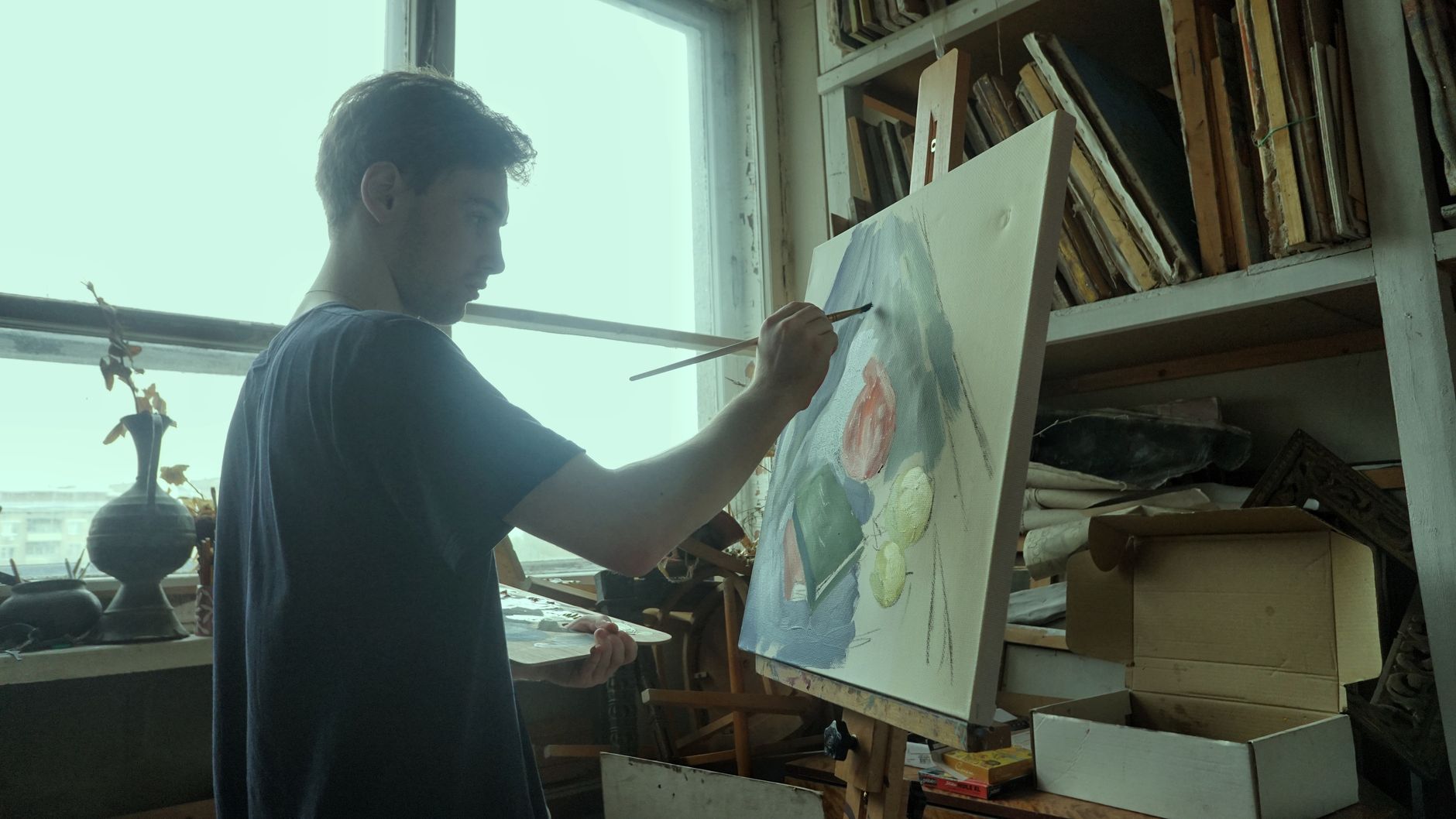
Stage 2: Studio Production (Months 7-12) Chen established a temporary studio within MAI's flagship location, allowing public viewing of the creative process—a strategic decision that generated early buzz. During this period, she produced the core exhibition pieces while MAI developed complementary educational materials and digital experiences.
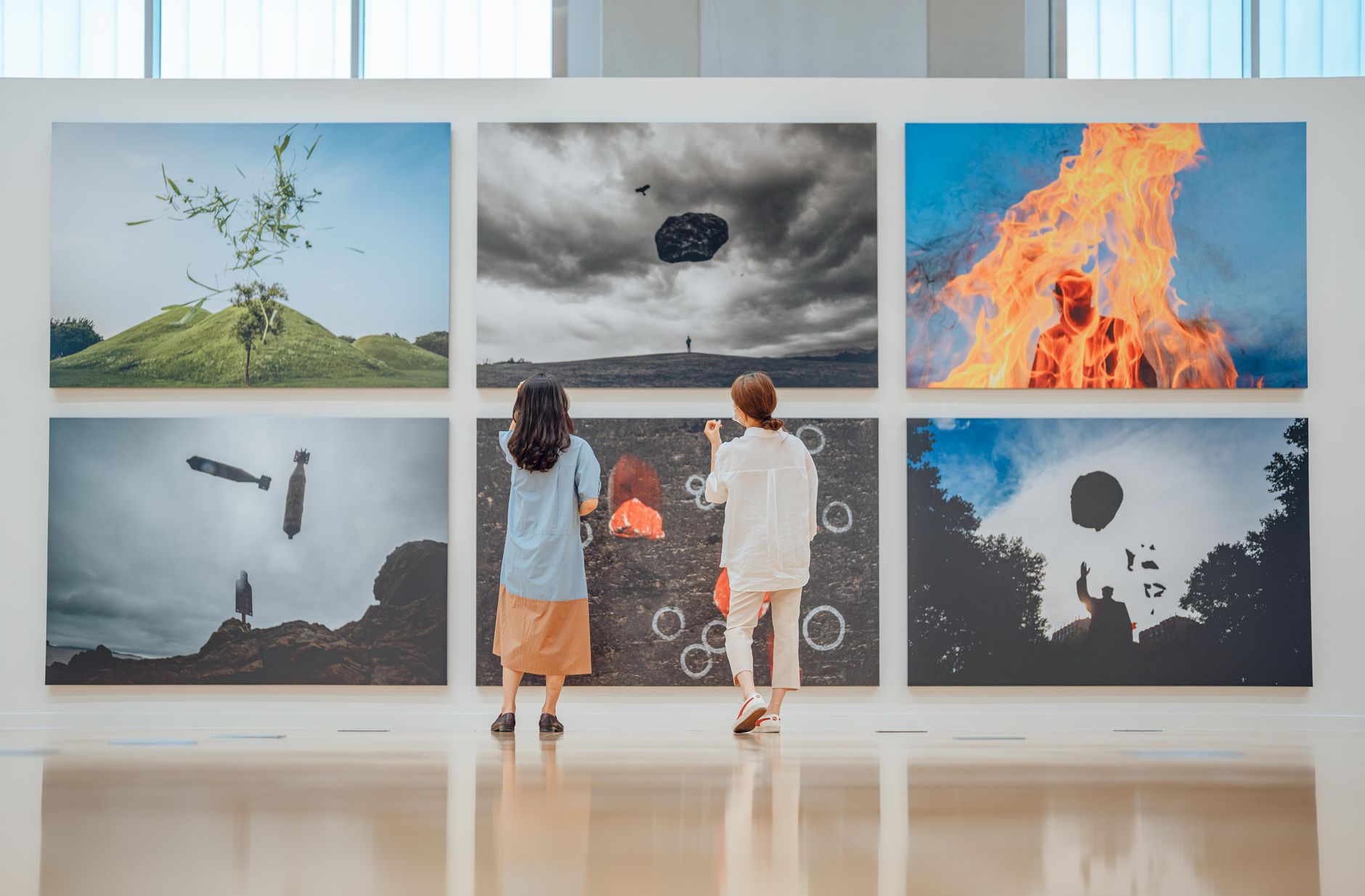
Stage 3: Exhibition Design (Months 13-15) The collaborative team designed an immersive exhibition that blended Chen's paintings with spatialized audio installations. Each gallery space corresponded to a different city, creating what reviewers would later call "a synesthetic urban experience." The exhibition design represented true collaborative art creation, with equal input from artistic and curatorial perspectives.
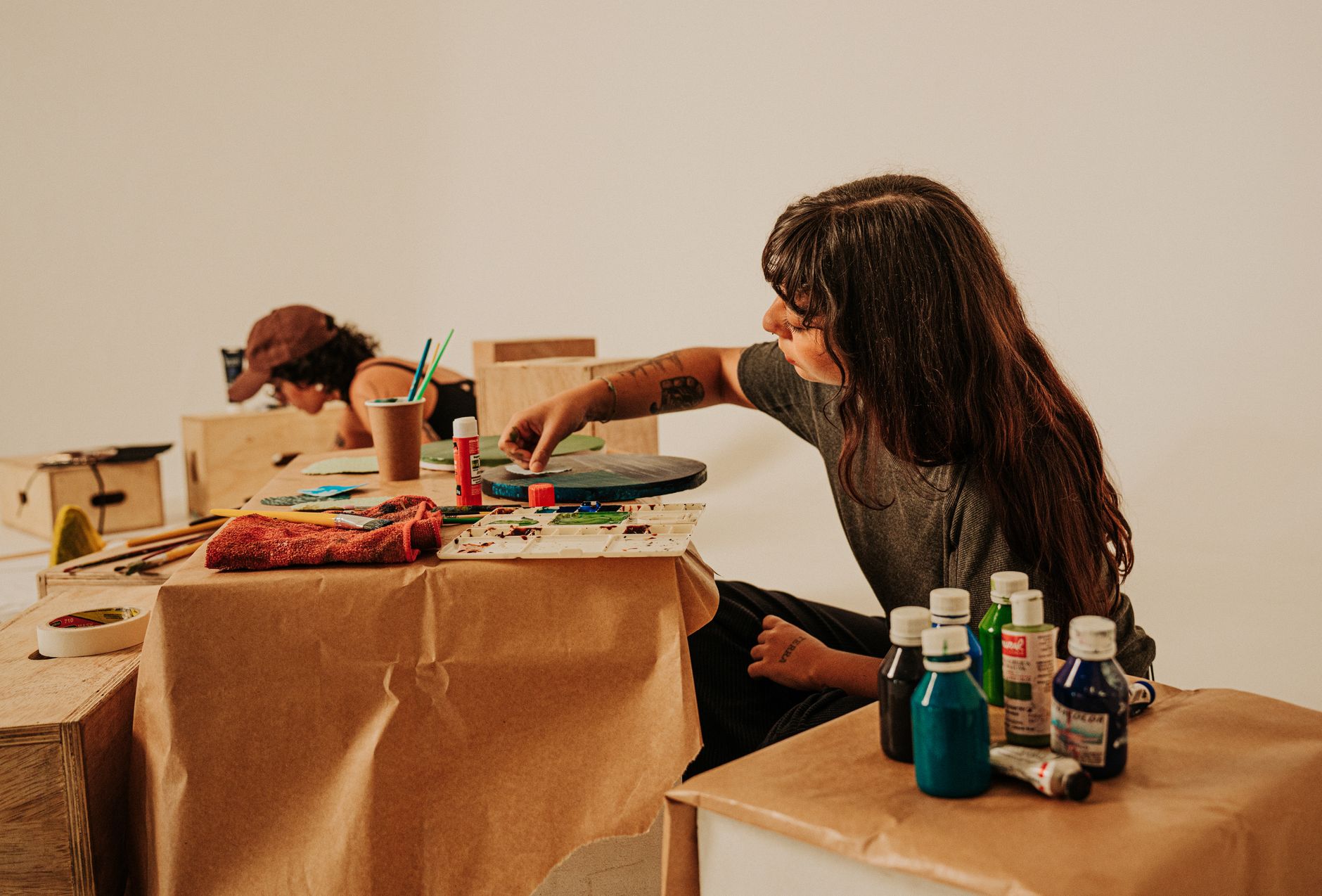
Stage 4: Programming and Engagement (Months 16-18) MAI developed parallel programming including artist talks, sound workshops, and community recording events. This programming extended the exhibition's reach beyond traditional gallery visitors and created multiple engagement points for diverse audiences.
Throughout implementation, both parties maintained bi-weekly check-ins and used a shared digital dashboard to track progress against 32 predefined milestones. This systematic approach to art partnership projects ensured alignment while allowing for adaptive responses to emerging opportunities.
Results with Specific Metrics
The "Urban Echoes" collaboration generated exceptional results across artistic, institutional, and commercial dimensions:
Exhibition Performance
| Metric | Result | Industry Benchmark |
|---|---|---|
| Total Visitors | 45,000 across 3 cities | 18,000 (average for similar exhibitions) |
| Visitor Engagement Time | 47 minutes average | 22 minutes (industry average) |
| Social Media Reach | 2.3 million impressions | 450,000 (typical for museum exhibitions) |
| Press Coverage | 87 articles in major publications | 25-30 (successful exhibition average) |
Commercial Outcomes
| Revenue Stream | Amount | Notes |
|---|---|---|
| Exhibition Admissions | $320,000 | 35% above projections |
| Catalog Sales | $180,000 | Sold out three printings |
| Limited Edition Sales | $350,000 | 95% of editions sold |
| Total Revenue | $850,000 | Split 60/40 (artist/institution) |
Institutional Impact
- MAI Membership Growth: 42% increase during exhibition period
- Younger Demographic Engagement: 68% of visitors aged 25-45 (target: 40%)
- Educational Programming: 127 workshops with 3,400 participants
- Permanent Acquisitions: 4 major institutions acquired works for permanent collections
Artistic Development
For Maya Chen, the collaboration marked a significant evolution in her practice. She developed three new technical approaches to painting that have since become central to her work. The project also led to two solo exhibition offers from major galleries and inclusion in a prestigious biennial—demonstrating how successful artist collaborations can accelerate career development and professional growth.
Key Takeaways
1. Structure Enables Creativity
Contrary to the romantic notion of purely organic collaboration, the "Urban Echoes" success stemmed from deliberate structure. The autonomy framework and milestone tracking didn't stifle creativity—they created the psychological safety needed for artistic risk-taking. This principle applies whether collaborating with institutions or fellow artists.
2. Complementary Expertise Multiplies Impact
Chen's visual expertise combined with MAI's institutional knowledge created something neither could achieve alone. When considering art partnership projects, seek partners whose strengths complement rather than duplicate your own. This approach mirrors strategies for how to build a successful art career, where strategic partnerships often accelerate progress.
3. Transparency Builds Trust
The resource mapping and regular check-ins established transparency that prevented misunderstandings. As one MAI curator noted: "We knew exactly what we were contributing and receiving at every stage, which eliminated the anxiety that often derails collaborations."
4. Audience Engagement Should Be Integral
By making the creative process visible and developing parallel programming, "Urban Echoes" engaged audiences beyond passive viewing. This approach increased both attendance and depth of engagement, offering lessons for artists considering portfolio development for collaborative contexts.
5. Document the Process
Both parties maintained detailed records of decisions, challenges, and breakthroughs. This documentation not only smoothed the collaboration but also created valuable material for grant applications and future proposals—a practice that aligns with principles of effective artist statement writing.
Mini-Case: The Community Sound Map Extension
A particularly successful element was the "Community Sound Map" extension, where exhibition visitors could contribute their own urban recordings via a mobile app. This participatory component:
- Generated 4,200 user submissions
- Extended exhibition engagement beyond physical visits
- Created a living archive that continues to grow
- Demonstrated how collaborative art creation can expand to include audience participation
This extension required minimal additional resources but significantly enhanced the project's reach and relevance, showing how scalable elements can maximize collaborative impact.
About FineArtsNews
FineArtsNews provides authoritative coverage of global fine arts, offering timely news, expert insights, and curated content for art enthusiasts, professionals, and institutions. Our platform supports artistic innovation by highlighting successful strategies and case studies like "Urban Echoes." For artists seeking to fund collaborative projects, our comprehensive guide to art grant applications offers practical steps for securing necessary resources.
The "Urban Echoes" case study demonstrates that when artist collaborations are approached with strategic structure, transparent communication, and shared vision, they can achieve remarkable artistic and institutional outcomes. In an increasingly interconnected art world, mastering collaborative art creation may be one of the most valuable skills artists and institutions can develop.