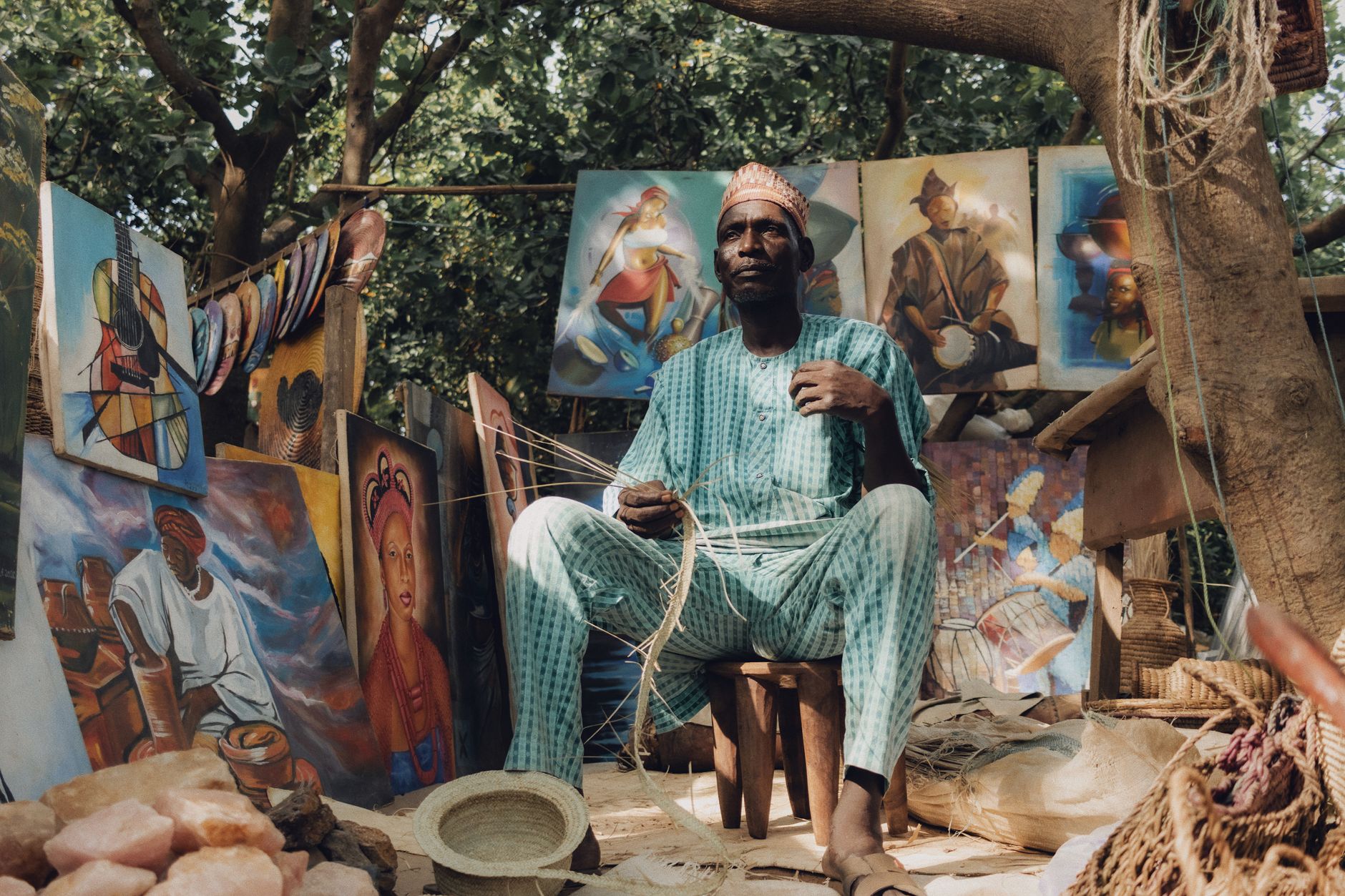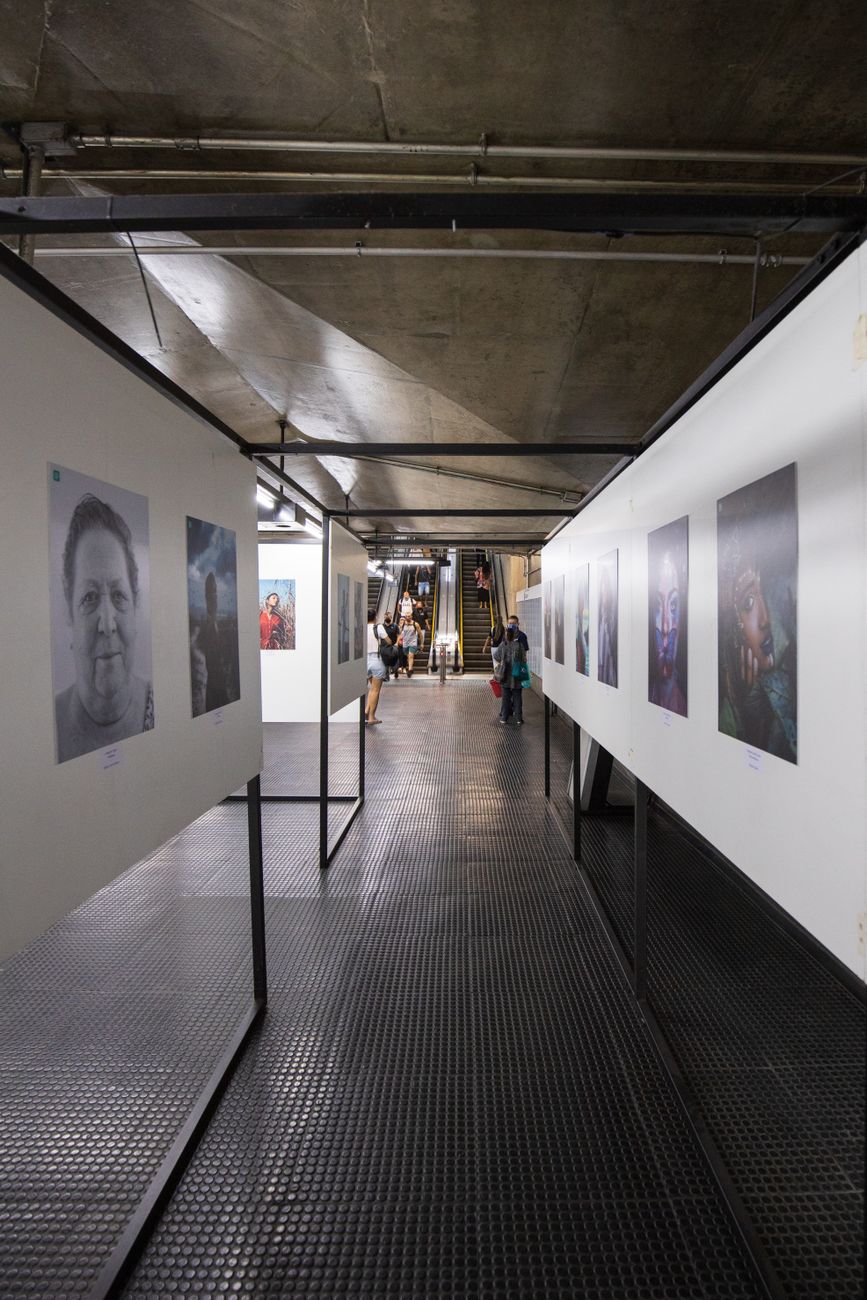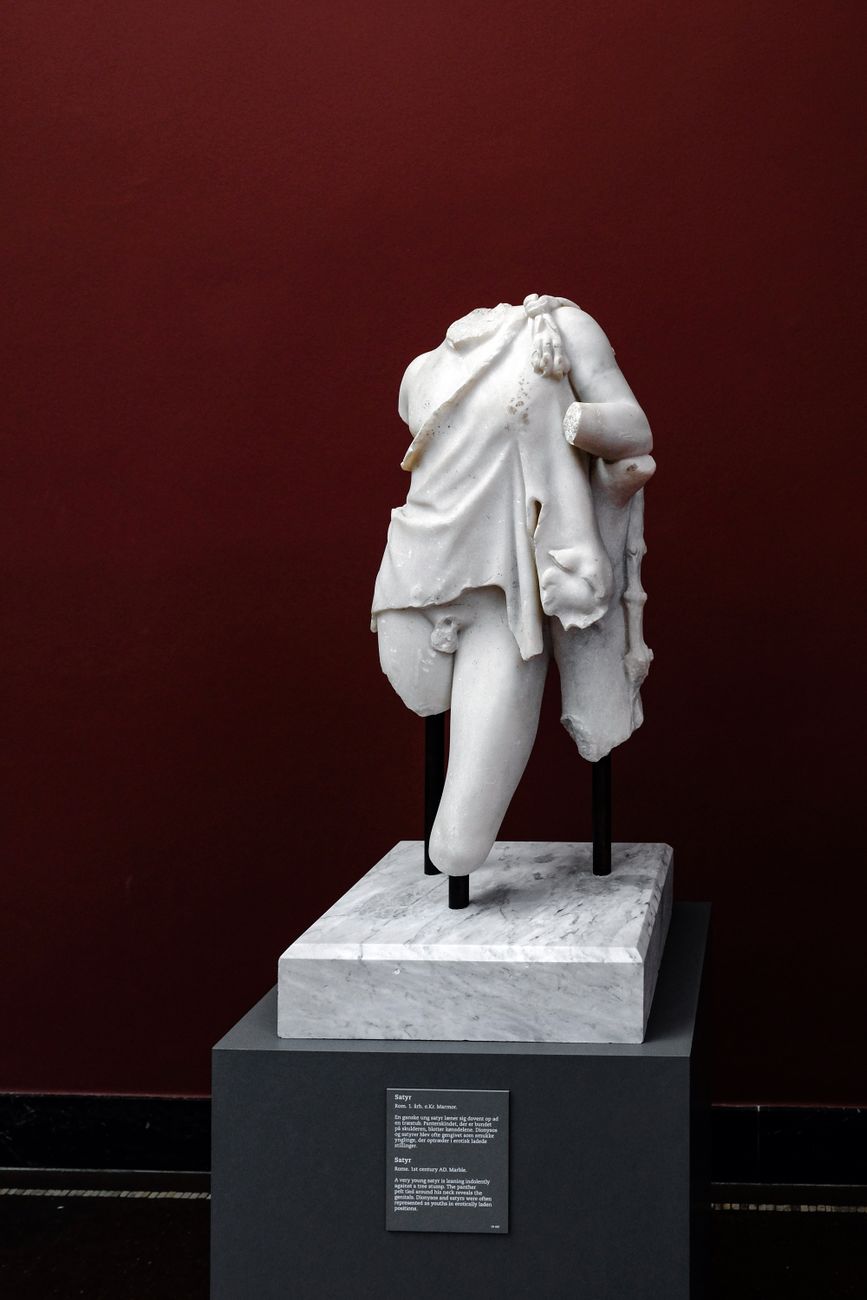
Global art exhibitions in 2026 are rewriting the map of cultural exchange, with Asia, Europe, and the Americas staging shows that break traditional boundaries of geography and chronology. From Shanghai’s unprecedented Americas exhibition to London’s deep dive into contemporary Asian practice, these cross-continental presentations offer collectors and enthusiasts alike a rare opportunity to experience world art under one roof.
Executive Summary / Key Results
The 2026 exhibition season delivers measurable impact: the Shanghai Museum’s “On Top of the World Tree” assembles nearly 3,000 objects from Mexico, Peru, and China, making it the largest exhibition ever devoted to ancient Americas civilizations. The Victoria and Albert Museum in London mounts one of its most significant contemporary Asian surveys, collaborating with Queensland Art Gallery/Gallery of Modern Art (QAGOMA) to feature artists using traditional techniques to address global issues. Across Europe, major institutions from the Rijksmuseum to the Guggenheim Bilbao present landmark shows. These numbers—3,000 objects, three continent-spanning shows, 15+ major European exhibitions—underscore an industry shift toward truly global curatorial ambition.
Background / Challenge
For years, the art world operated in silos: Asian antiquities in one wing, European masters in another, and American contemporary art in a third. Collectors and enthusiasts had to travel across continents to grasp the full picture of art history. The challenge was not just logistical but intellectual—how to present non-Western art without othering it, and how to show European art in a context that includes global influences.
In 2026, that paradigm collapses. Institutions are responding to audience demand for global art exhibitions that connect rather than separate. The Shanghai Museum’s choice to focus on ancient Americas rather than traditional Chinese art signals a deliberate pivot: China positions itself as a curator of world heritage, not just a source of it. Similarly, the V&A moves beyond its antiquities focus to spotlight living Asian artists.
Solution / Approach
Three strategies define the 2026 season: mega-blockbusters that pull from multiple continents, thematic shows that bridge East and West, and institution-to-institution collaborations that pool resources and expertise.
Mega-blockbusters like Shanghai Museum’s “On Top of the World Tree” (July 9, 2026–November 14, 2027) go beyond traditional loans. The exhibition curates 1,129 groups of objects into a single narrative covering three millennia of political, artistic, religious, and technological development. It integrates archaeology, mythology, food, transport, and urban tourism into one visitor journey—a model that turns an art exhibition into a cultural event.
Thematic bridges appear in Europe. The V&A’s collaboration with QAGOMA divides into three sections exploring how ancient Asian and Pacific heritage survives and evolves in a globalized world. Artists from the Global South use traditional techniques like South Asian weaving or ceramics to address climate change and migration—issues that resonate across continents. The exhibition resists the typical “East meets West” cliché by focusing on contemporary responses rather than forced dialogues.
Institution collaborations are essential to this scale. The Rijksmuseum, Amsterdam, and the Mauritshuis, The Hague, will both host a two-institution exchange show titled “Mauritshuis Loves Thyssen-Bornemisza and Thyssen-Bornemisza Loves Mauritshuis” from October 2026 to January 2027. The Frans Hals Museum in Haarlem pairs “Hals–Rembrandt” (November 6, 2026–February 28, 2027), bringing two Dutch masters into direct conversation. These partnerships allow smaller museums to offer blockbuster weight without solo risk.
Implementation
Asia
Shanghai Museum: The “On Top of the World Tree” exhibition required years of negotiation among Mexican, Peruvian, and Chinese institutions. The result is not just a loan show but a citywide cultural event: public programs, themed food offerings, and transport tie-ins extend the experience beyond the museum walls. For travelers, it is a rare chance to see major Mexican (e.g., Teotihuacan murals) and Peruvian (Moche and Inca goldwork) collections alongside Chinese artifacts within one coherent narrative.
V&A London: The contemporary Asian survey, opening 2026, is a collaboration with QAGOMA in Brisbane. It signals a shift from the V&A’s traditional focus on Asian antiquities to current creative power. The three-part structure—heritage survival, globalization, and technique—allows curators to include both established names and emerging artists to watch.
Europe
Europe’s 2026 season is dense. Key exhibitions include:
| Exhibition | Venue | Dates | Focus |
|---|---|---|---|
| Bernini — Painter and Sculptor | Kunsthistorisches Museum, Vienna | Dec 2, 2026–Apr 4, 2027 | Baroque master’s complete output |
| Marisol: When Things are Just Beginning | MAC/CCB, Lisbon | Dec 17, 2026–Apr 12, 2027 | Overlooked Venezuelan-American sculptor |
| Willem de Kooning at Work | Rijksmuseum, Amsterdam | Oct 9, 2026–Jan 17, 2027 | Abstract Expressionist’s process |
| Maurizio Cattelan. NIGHT | Neue Nationalgalerie, Berlin | Sep 10, 2026–ongoing | Italian provocateur’s large-scale works |
| Dan Flavin | Guggenheim Bilbao | Nov 12, 2026–Apr 4, 2027 | Fluorescent light installations |
| Hals–Rembrandt | Frans Hals Museum, Haarlem | Nov 6, 2026–Feb 28, 2027 | Dutch Golden Age face-off |
| Remedios Varo: Paint = Flow of Life | Louisiana Museum, Humlebæk, Denmark | 2026 | Surrealist master’s mystical works |
Each of these shows offers a distinct lens: Cattelan’s critical humor in Berlin, Varo’s dreamlike paintings in Denmark, and De Kooning’s physicality in Amsterdam. The breadth ensures that no matter where a collector travels—or what period they favor—there is a world-class exhibition.
The Americas
While the Americas themselves are the subject of Shanghai’s exhibition, North and South America also contribute to the global conversation. The Marisol retrospective in Lisbon highlights a Venezuelan-American artist whose work blends Pop Art, assemblage, and personal narrative. Lisbon’s MAC/CCB, a modern and contemporary art center, positions itself as a hub for Latin American art in Europe.
Results with Specific Metrics
- Shanghai Museum: Nearly 3,000 objects across 1,129 groups, from 3 countries, making it the largest ancient Americas show ever.
- V&A London: One of the most significant contemporary Asian surveys in the museum’s history.
- European season: Over 15 major exhibitions listed by Christie’s alone, spanning Italy, Netherlands, Spain, Denmark, Germany, Portugal, and the UK.
- Visitor journeys: Shanghai’s show integrates food, transport, and public programs, creating a citywide cultural ecosystem.
These metrics demonstrate that the 2026 season is not just about individual exhibitions but about institutional ambition: museums are investing in multi-year collaborations, cross-continental loans, and audience-engagement strategies that turn a visit into a cultural pilgrimage.
Key Takeaways
- Global art exhibitions are now the norm. If you are planning trips for 2026, think in terms of continents, not cities. A single ticket to Shanghai gives you ancient Americas, while a European tour can trace Baroque through contemporary in a week.
- Collaborations create scale. The V&A-QAGOMA, Mauritshuis-Thyssen-Bornemisza, and Shanghai’s trilateral show prove that no institution can go it alone. For collectors, this means access to objects that rarely travel—like the Peruvian gold from Shanghai’s show.
- Asia is actively curating global art. The Shanghai exhibition is not about Chinese art; it is about the world as seen from China. This is a model for curator interviews that reveal how exclusive previews drive museum attendance and art sales.
- Traditional techniques, contemporary issues. The V&A show’s focus on weaving and ceramics to address climate change offers a clear framework for exhibition previews that prioritize relevance over artistic medium.
- Europe remains the density hub. With simultaneous shows in Vienna, Amsterdam, Lisbon, Berlin, and more, Europe offers the highest concentration of exhibitions per square mile—ideal for collectors who want to maximize a single trip.
About FineArtsNews
FineArtsNews is an online news platform providing comprehensive coverage of fine arts globally. From breaking art market news to in-depth exhibition previews, we keep art enthusiasts, professionals, collectors, and academics informed. Our curated content spans multiple categories, and we offer opportunities for artists to get featured. With expert insights and timely reporting, FineArtsNews is your trusted source for the global art landscape.