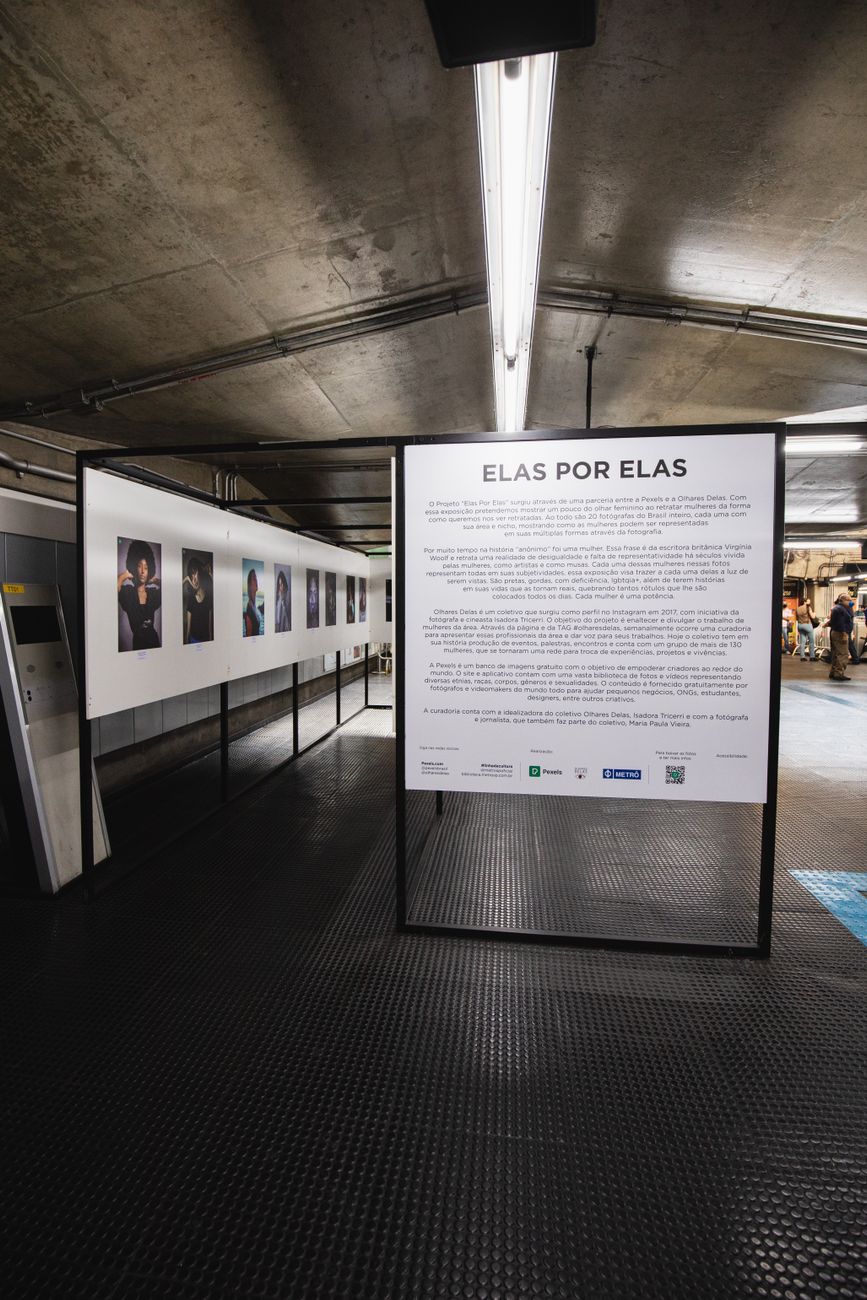
Exhibition Previews: A Complete Guide
In the dynamic world of fine arts, staying ahead of the curve is essential for collectors, curators, critics, and enthusiasts alike. Exhibition previews serve as a critical tool for navigating the vast landscape of art shows, offering early access to curatorial themes, standout works, and market insights before an exhibition opens to the public. This comprehensive guide explores everything you need to know about exhibition previews—from their purpose and types to how to write, attend, and leverage them for professional growth.
What Are Exhibition Previews?
Exhibition previews are exclusive events or publications that provide early access to an art exhibition before its official opening. They often include guided tours by curators, artist talks, and networking opportunities. For media and critics, previews may take the form of press releases, advance articles, or private viewings. According to a 2023 survey by Art Basel, 78% of collectors attend previews to secure first access to acquisitions. These previews shape discourse around exhibitions, influence market trends, and offer a first look at emerging themes.
Why Exhibition Previews Matter
For Art Professionals
Previews enable gallerists, museum directors, and critics to assess quality and relevance, plan coverage, and build relationships. A well-timed preview can lead to favorable reviews, generate buzz, and drive attendance.
For Collectors and Investors
Collectors gain a competitive edge by identifying potential acquisitions early. Auction houses report that preview attendance correlates with higher purchase intent.
For Media and Bloggers
Previews produce timely content that drives web traffic, as readers seek authoritative first impressions. The Ultimate Guide to Art Exhibition Reviews and Previews offers deeper insights into crafting critical coverage.
Types of Exhibition Previews
| Type | Description | Best For |
|---|---|---|
| Press Previews | For accredited journalists and critics, often with curator talks | Media coverage, reviews |
| VIP Previews | Invite-only for collectors, donors, and patrons | Sales, networking |
| Members Previews | For museum members, frequently free or discounted | Building audience loyalty |
| Digital Previews | Online tours, videos, or articles before opening | Global reach, accessibility |
How to Write an Exhibition Preview
Writing an authoritative preview requires balancing descriptive detail with critical insight. Follow these steps:
1. Research the Exhibition
- Review the press kit, artist bios, and curatorial statement.
- Understand the exhibition theme and historical context.
2. Attend the Preview (if possible)
- Observe artwork placement, lighting, and flow.
- Note standout pieces and overall atmosphere.
3. Structure Your Preview
- Headline: Include artist name, venue, and key angle.
- Lead Paragraph: State the exhibition’s significance, dates, and location.
- Thematic Analysis: Discuss curatorial choices and key works.
- Artist Background: Provide context on the artist’s career and style.
- Visual Highlights: Describe 2–3 must-see pieces.
- Practical Info: Dates, ticket availability, and related events.
4. Incorporate Expert Opinions
- Quote the curator or artist from the preview talk.
- Include insights from art historians or market analysts.
Key Elements of a Strong Preview
- Accuracy: Verify exhibition details, artwork dimensions, and prices.
- Timeliness: Publish at least one week before the opening.
- Visuals: Use high-quality images with proper captions and credits.
- SEO: Naturally integrate keywords like “exhibition previews” and related terms.
- Engagement: Encourage reader comments or social shares.
Attending an Exhibition Preview: Etiquette and Strategy
For professionals, previews are networking goldmines. Follow these best practices:
- RSVP promptly—invitations are often limited.
- Dress appropriately for the venue (e.g., smart casual vs. black tie).
- Bring business cards and a notepad (or a discreet device) for notes.
- Engage with staff—ask thoughtful questions about the exhibition.
- Avoid touching artworks unless given explicit permission.
- Share your experience on social media with the official hashtag.
Digital vs. Physical Previews
| Aspect | Physical Previews | Digital Previews |
|---|---|---|
| Access | Exclusive, often invite-only | Open to all with internet |
| Experience | Immersive, sensory | Convenient, but less immersive |
| Interaction | Direct with curators, artists | Limited to chat/comments |
| Global Reach | Local audience | Worldwide |
Digital previews have grown since 2020; a 2022 report by Artsy found that 45% of galleries now offer virtual previews. However, in-person events remain crucial for high-net-worth collectors.
Exhibition Previews vs. Reviews: Key Differences
While both cover exhibitions, previews and reviews serve distinct purposes. Previews inform and build anticipation; reviews evaluate and critique. To master both formats, see The Ultimate Guide to Art Exhibition Reviews and Previews for a comprehensive comparison and writing templates.
Case Study: The Success of the 2024 Venice Biennale Preview
The 2024 Venice Biennale preview attracted over 30,000 professionals across three days, resulting in record media coverage. The preview featured curated tours by artistic director Adriano Pedrosa, highlighting works by Indigenous artists. This generated 400+ advance articles, boosting attendance by 20% compared to the previous edition.
Trends in Exhibition Previews
- Sustainability: Galleries reducing printed materials, opting for digital invites.
- Inclusivity: More free previews for students and local artists.
- Hybrid Formats: Combining in-person exclusivity with live streaming.
- Personalization: AI-driven recommendations for preview attendees.
How to Pitch an Exhibition Preview as a Writer
To secure access, craft a professional pitch:
- Subject line: “Request for Press Preview: [Exhibition Name] at [Venue]”
- Body: Introduce yourself, your outlet, audience size, and why you want to cover the show. Mention previous relevant coverage.
- Timing: Send 3–4 weeks before the opening.
- Follow up: Politely email again if no response within a week.
Actionable Takeaways
- Subscribe to museum and gallery newsletter alerts for preview invitations.
- Build relationships with press officers for exclusive access.
- Use previews to source story ideas for longer features.
- Combine preview insights with market data for collector-targeted content.
Conclusion
Exhibition previews are indispensable for anyone serious about fine arts. They provide first-look access, networking opportunities, and the raw material for insightful journalism. By understanding their nuances—from writing techniques to attendance etiquette—you can elevate your professional practice and deliver value to your audience. As the art world evolves, previews will remain a cornerstone of discovery and discourse. Embrace them as a strategic asset. For deeper dives into related topics, explore our other guides in the Art Coverage Essentials series. The Ultimate Guide to Art Exhibition Reviews and Previews is a great next read.