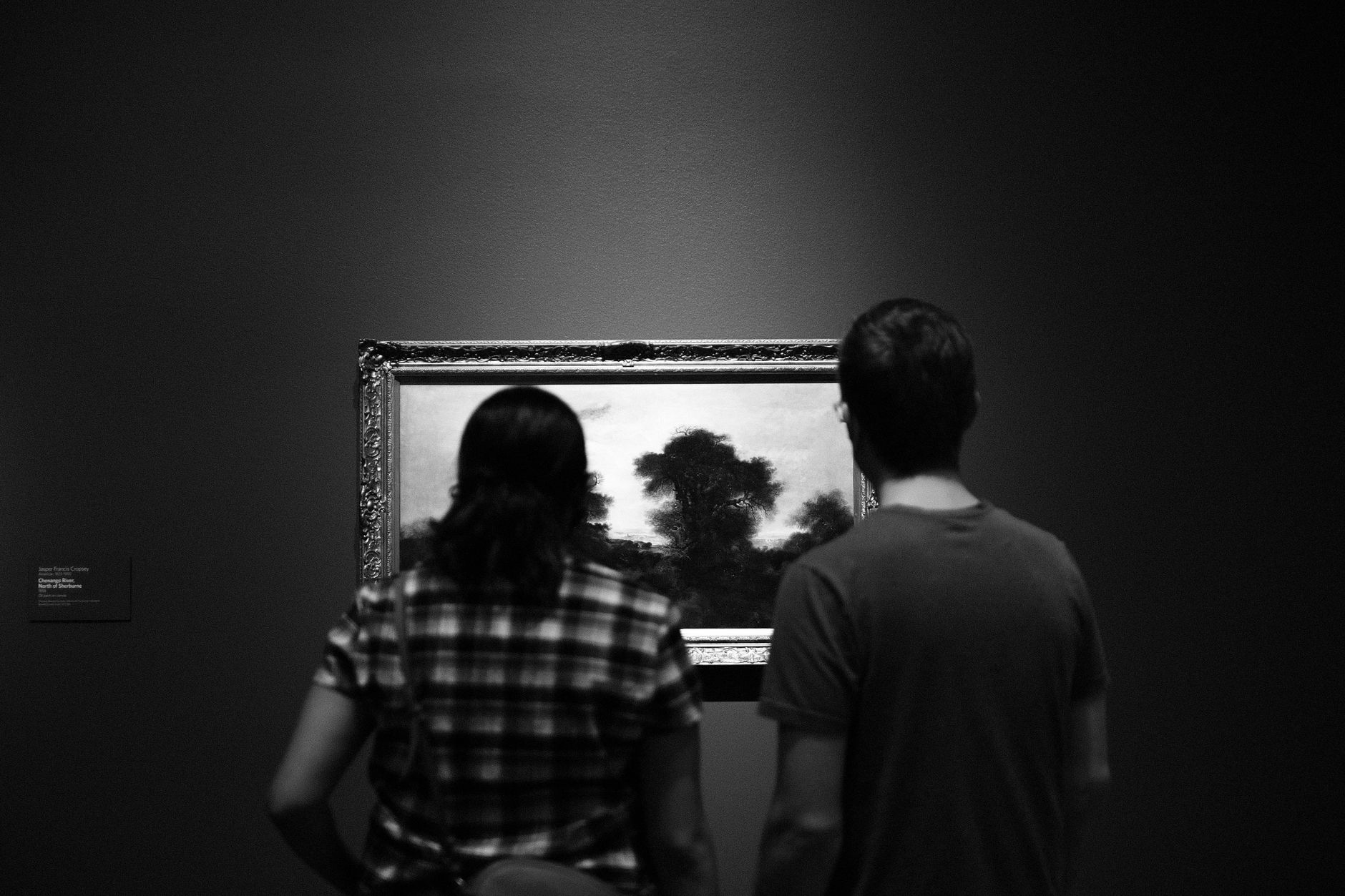
Exhibition Reviews: A Complete Guide
In the fast-paced world of fine arts, exhibition reviews serve as critical touchpoints for understanding artistic movements, market trends, and cultural dialogues. Whether you are an art enthusiast, a professional collector, or a student of art history, the ability to craft and interpret exhibition reviews deepens your engagement with the art world. This comprehensive guide explores every facet of exhibition reviews, from their purpose and structure to the nuances of critique and audience engagement. By the end, you will have the tools to write authoritative, insightful reviews that resonate with readers and contribute meaningfully to the discourse.
The Role and Purpose of Exhibition Reviews
Exhibition reviews are more than simple descriptions of artworks on display; they are analytical pieces that contextualize a show within broader artistic, historical, and social frameworks. They serve multiple stakeholders:
- For Artists and Galleries: Reviews provide feedback and exposure, influencing an artist’s career trajectory and the gallery’s reputation.
- For Collectors and Investors: Reviews offer insights into market trends, emerging talent, and the significance of specific works, guiding acquisition decisions.
- For Academics and Students: Reviews document exhibitions and contribute to art historical scholarship.
- For the General Public: Reviews make art accessible by explaining complex concepts and encouraging attendance.
A well-written review can shape public perception, drive attendance, and even affect an artwork’s commercial value. According to a 2023 survey by Arts Economics, 68% of gallery visitors said that reading a review influenced their decision to visit an exhibition. This underscores the review’s power as a marketing and educational tool.
Anatomy of a Compelling Exhibition Review
While each reviewer develops a personal style, most effective reviews share a common structure. Think of it as a narrative arc that guides the reader from first impression to final verdict.
1. Captivating Lead
Your opening paragraph should hook the reader. It might describe a striking first impression, pose a provocative question, or situate the exhibition in a timely context. For example, "Upon entering the gallery, the visitor is confronted not by paintings, but by silence—a deliberate curatorial choice that sets the tone for Ai Weiwei’s meditative new series."
2. Essential Information
Early in the review, include the basics: artist name, exhibition title, venue, dates, and curator (if relevant). This allows readers to quickly assess whether the show is worth their time and provides context for your analysis.
3. Thematic Analysis
Delve into the exhibition’s central themes, curatorial intentions, and how the works relate to each other. Discuss the selection of pieces, the layout, and any accompanying text or programming. This section demonstrates your understanding of the art and the curator’s vision.
4. Critique of Individual Works
Highlight two or three standout pieces. Describe them vividly, but avoid mere description; instead, interpret their meaning and technical execution. For instance, "Jones’ use of impasto in 'Nocturne' creates a tactile surface that suggests the chaos of urban life, while the muted palette evokes a sense of melancholy."
5. Contextualization
Place the exhibition within a larger framework. Compare it to the artist’s previous work, similar shows, or broader trends in contemporary art. This elevates the review from simple reportage to insightful criticism.
6. Audience Takeaway
What does the viewer gain from seeing this exhibition? Does it challenge, delight, or provoke? Offer a sense of the emotional or intellectual impact.
7. Verdict and Rating
Conclude with a clear assessment. Some reviewers use stars or scores; others prefer descriptive language like "must-see" or "not recommended." Whatever your method, be honest and justify your rating.
Developing a Critical Eye: How to Assess Art and Curation
The foundation of any great review is the ability to see deeply and think critically. Here are key aspects to consider:
Artwork Quality
- Technical skill: Execution, material choice, and craftsmanship.
- Conceptual depth: Originality of ideas, coherence, and relevance.
- Emotional resonance: Does the work provoke a response? Is it memorable?
Curatorial Vision
- Narrative flow: How do works relate to each other? Is there a logical progression?
- Presentation: lighting, spacing, wall colors, and labels. These elements influence perception.
- Inclusivity: Does the exhibition represent diverse perspectives?
Context
- Historical significance: Does the show break new ground or revisit overlooked periods?
- Market relevance: Is it aligned with current collecting trends? For instance, the recent surge in digital art has prompted many galleries to host immersive installations.
By systematically evaluating these components, you can form a well-rounded opinion that goes beyond personal taste.
Market and Context in Reviews: Why It Matters
Art does not exist in a vacuum. Exhibitions are often tied to market forces, cultural shifts, and institutional agendas. Including this context adds authority to your review. For example, when reviewing a retrospective of a mid-career artist, consider how their auction prices have evolved or how the exhibition aligns with the gallery’s program.
To stay informed, follow industry reports from sources like Artnet or The Art Newspaper. A savvy reviewer might note, "In light of the growing demand for African American abstraction, this show positions the artist as a key figure in that movement." Such insights are valuable to collectors and academics alike.
Writing Styles and Approaches
Different publications and audiences require different tones. In line with FineArtsNews’ authoritative voice, your reviews should be informative yet accessible. However, be aware of common styles:
- Academic: Formal, jargon-heavy, suitable for scholarly journals.
- Journalistic: Clear, engaging, with a focus on news and context.
- Persuasive: Argument-driven, often taking a strong stance.
- Descriptive: Emphasizes visual experience, akin to ekphrasis.
For a general audience, blend journalistic clarity with persuasive analysis. Use industry terms judiciously, always explaining them. For example, instead of saying "the work employs chiaroscuro," you might write, "the dramatic contrast between light and shadow (chiaroscuro) heightens the tension."
Common Pitfalls and How to Avoid Them
Even experienced reviewers can fall into traps. Here are mistakes to avoid:
- Over-reliance on description: Don’t just describe what you see; interpret it.
- Bias and favoritism: Be objective, even when reviewing friends or respected artists.
- Lack of structure: A rambling review loses readers. Stick to a clear outline.
- Ignoring the audience: Consider what readers need to know. A collector cares about market implications; a student cares about artistic techniques.
- Neglecting the venue: The space can affect the experience. Note if the gallery’s architecture complements or detracts from the art.
A memorable review avoids these pitfalls by balancing description, analysis, and context.
Case Study: Reviewing a Landmark Exhibition
Let’s apply these principles to a hypothetical case: Echoes of Silence, a solo exhibition of multimedia works by emerging artist Lena Tran at the Chelsea Gallery (October 1–November 15, 2024).
Lead: "Silence speaks volumes in Lena Tran’s new exhibition, where video installations and sculptural pieces explore the unspoken narratives of diasporic identity."
Essential Info: Immediately state artist, venue, dates, and mention that the show was curated by Maria Chen.
Thematic Analysis: The works grapple with memory and displacement, using motifs like fragmented mirrors and muffled audio. The curation creates a contemplative flow from public to private spaces.
Critique of Works: Highlight the video piece Whispered Archive, where layered voices recount migration stories. The synchronization of audio and projected text creates a poignant commentary on oral history.
Contextualization: Compare to Tran’s earlier photography series In-Between, noting a maturation in her use of digital media. Also, position this within the growing trend of art addressing the Asian diaspora.
Audience Takeaway: The exhibition invites introspection and might inspire viewers to reflect on their own heritage.
Verdict: A must-see show that solidifies Tran’s place among the most compelling voices in contemporary art. Rating: 8/10.
This case demonstrates how each section contributes to a cohesive review.
SEO Best Practices for Exhibition Reviews
To ensure your reviews reach a wide audience, optimize for search engines. Target the keyword "exhibition reviews" and related terms (e.g., "art exhibition review," "how to write a review"). Use it in the title, headings, and body naturally. Also:
- Write a compelling meta description (150-160 characters) that includes the keyword.
- Use descriptive alt text for images.
- Include internal links to related content, such as The Ultimate Guide to Art Exhibition Reviews and Previews. This enhances user engagement and SEO.
- Encourage social sharing by adding share buttons.
By doing so, your reviews will attract both search traffic and loyal readers.
The Future of Exhibition Reviews
The art world is evolving, and so is criticism. Digital platforms now allow for interactive reviews with embedded video and 360-degree views of exhibitions. Some publications use AI to summarize trends, but human insight remains irreplaceable. As augmented reality becomes more common, reviews may include virtual walkthroughs, making art accessible to global audiences.
For reviewers, staying adaptable is key. Embrace multimedia elements while maintaining rigorous analysis. The core mission remains unchanged: to illuminate art and its meaning for a curious audience.
Conclusion
Exhibition reviews are a vital part of the art ecosystem, connecting artists, curators, collectors, and the public. By mastering the craft—understanding structure, developing critical insight, and writing with authority—you can produce reviews that inform, persuade, and inspire. Remember to always contextualize the art within the market and cultural landscape, and to avoid common pitfalls. Whether you are a seasoned critic or a novice, this guide provides the framework to excel. For further reading, explore The Ultimate Guide to Art Exhibition Reviews and Previews to deepen your knowledge. Now, go forth and review.