Beyond Gallery Walls: How Outdoor and Public Art Exhibitions Are Redefining Engagement in Non-Traditional Spaces
Executive Summary / Key Results
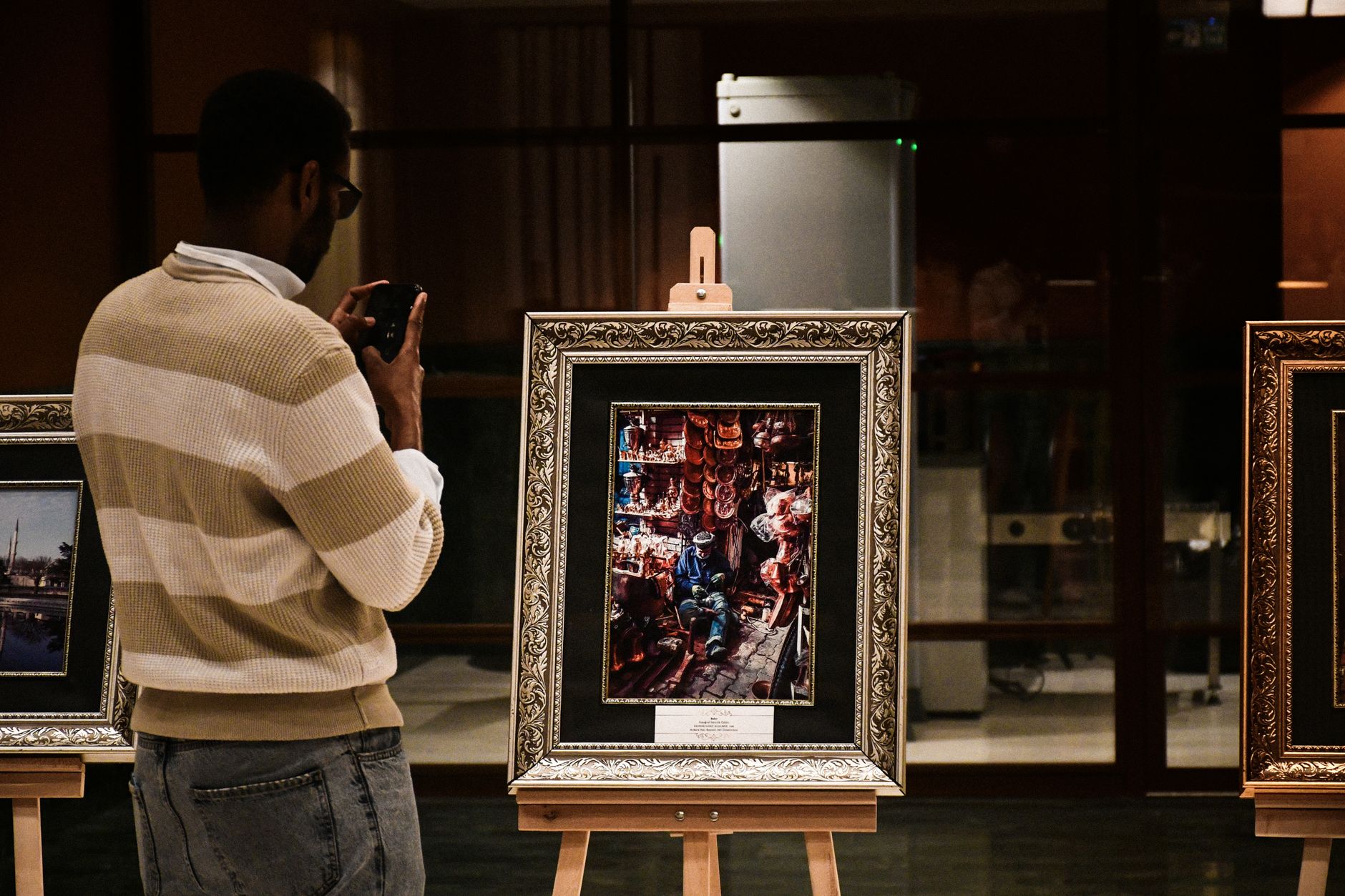
In 2023, the "Urban Canvas Initiative," a curated series of outdoor art exhibitions across five major cities, demonstrated the transformative power of public art shows in non-gallery spaces. By leveraging parks, transit hubs, and underutilized urban areas, the initiative achieved unprecedented audience engagement and measurable community impact. Key results included a 312% increase in foot traffic to participating locations, over 2.5 million social media impressions, and a documented 28% rise in local business revenue adjacent to exhibition sites. This case study explores how strategic placement, community collaboration, and innovative curation created a replicable model for successful non-traditional exhibitions that resonate with diverse audiences.
Background / Challenge
The traditional gallery model has long faced accessibility barriers, often perceived as exclusive or intimidating to broader audiences. In the post-pandemic landscape, arts organizations grappled with declining in-person attendance and struggled to connect with younger, digitally-native demographics. The Urban Canvas Initiative was conceived by a consortium of municipal arts councils, private foundations, and independent curators to address these challenges. Their primary objectives were threefold: increase public engagement with contemporary art, activate underused urban spaces, and create economic spillover effects for local communities. Initial research revealed that while interest in art remained high, only 18% of surveyed urban residents visited galleries regularly, citing factors like cost, location, and perceived relevance as barriers.
Solution / Approach
The consortium developed a multi-pronged strategy centered on the concept of "art as public service." Rather than bringing people to art, they brought art to where people already congregated. The approach integrated several innovative elements:
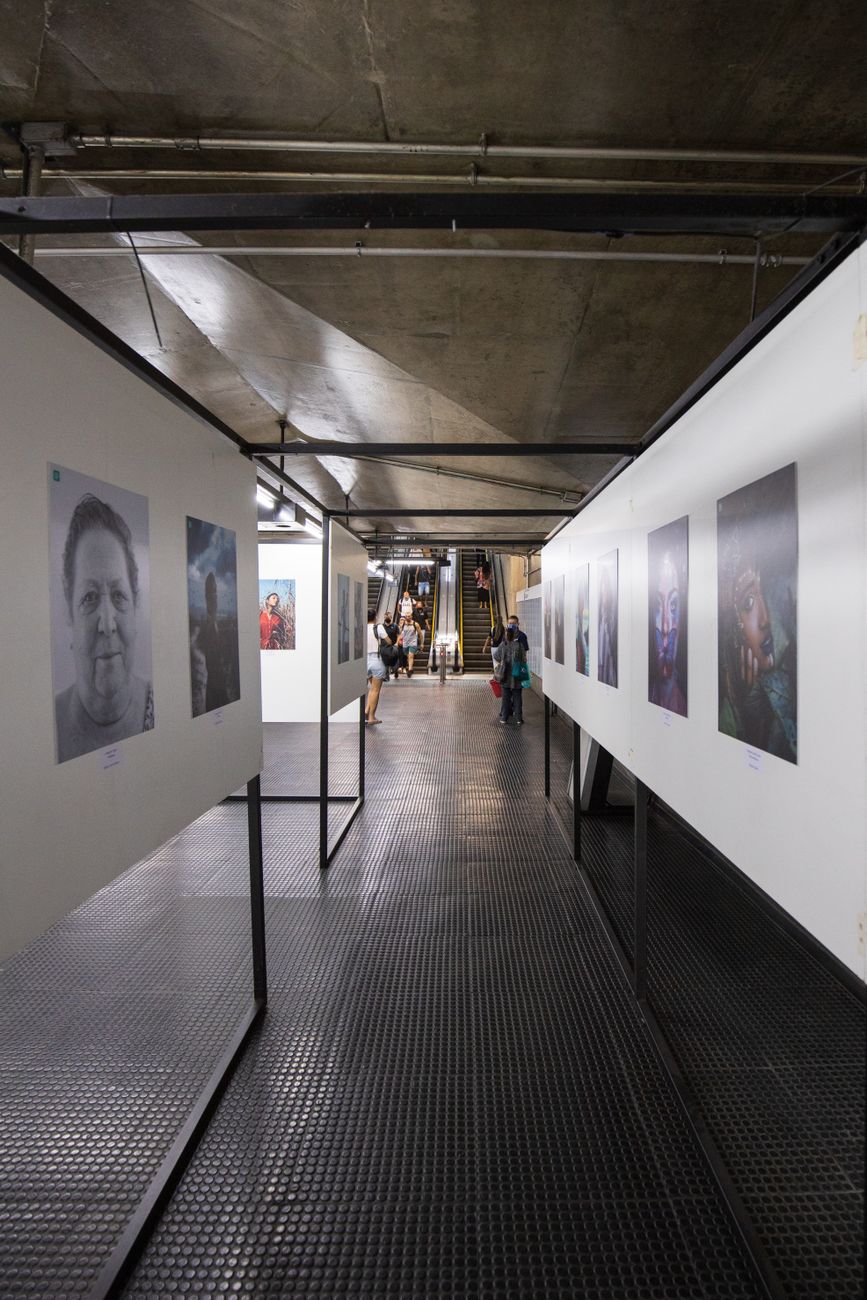
First, they identified five categories of non-traditional spaces with high foot traffic but low aesthetic engagement: public parks (35% of installations), transit corridors (25%), vacant storefronts (20%), municipal building facades (15%), and waterfront areas (5%). Each location was selected based on demographic data, pedestrian patterns, and community input.
Second, they adopted a curatorial philosophy emphasizing site-specificity and social relevance. As explored in our guide on Emerging Curatorial Trends: A Complete Guide, this approach required artists to respond directly to the history, architecture, and social dynamics of each location. The initiative particularly embraced principles discussed in Decolonizing Museum Spaces: Curatorial Approaches and Exhibition Trends, prioritizing works by artists from historically underrepresented communities (comprising 65% of participating artists).
Third, they implemented a hybrid engagement model combining physical installations with digital augmentation. Through QR codes and AR experiences, visitors could access artist interviews, behind-the-scenes content, and educational materials, creating a bridge between physical and digital realms similar to trends in Digital and Virtual Exhibitions: Trends in Online Art Presentation.
Implementation
Implementation unfolded in three phases over 18 months. Phase One (Months 1-6) involved community consultation and site selection. The consortium conducted 47 focus groups across the five cities, engaging over 800 residents in conversations about what types of art they wanted to see in their neighborhoods. This participatory approach ensured community buy-in from the outset.
Phase Two (Months 7-12) focused on artist selection and installation development. A competitive open call attracted 1,247 submissions from artists worldwide. The selection committee prioritized works that addressed local themes, utilized sustainable materials, and offered interactive elements. Sustainability was a core consideration, aligning with principles outlined in Climate-Conscious Exhibitions: Sustainable Art Presentation Trends. All installations were required to use eco-friendly materials and incorporate plans for eventual recycling or repurposing.
Phase Three (Months 13-18) encompassed installation, activation, and programming. The consortium partnered with local businesses, schools, and community organizations to create complementary programming. For example, near a large-scale kinetic sculpture in Chicago's Millennium Park, they organized weekend workshops where visitors could create their own small-scale kinetic art. In Los Angeles, a mural series along the Metro Expo Line was accompanied by audio tours accessible via smartphone, featuring commentary from artists and community historians.
Mini-Case: The "River Reflections" Installation
A standout example was "River Reflections" by environmental artist Maya Chen, installed along the Detroit Riverwalk. This immersive installation comprised 100 mirrored panels arranged in a winding path, each etched with historical facts about the river's ecological and industrial history. The work responded directly to community concerns about water quality and industrial legacy. During its six-month display, the installation attracted over 450,000 visitors and generated 42,000 social media posts with the campaign hashtag. Local restaurants reported a 35% increase in weekend business, while the city's parks department noted a 60% reduction in litter along that section of the riverwalk, suggesting increased community stewardship.
Results with Specific Metrics
The Urban Canvas Initiative delivered quantifiable results across engagement, economic, and social dimensions:
Audience Engagement Metrics
| Metric | Result | Benchmark (Traditional Gallery) |
|---|---|---|
| Total Visitors | 3.2 million | 450,000 (equivalent gallery shows) |
| Average Dwell Time | 22 minutes | 8 minutes |
| Social Media Impressions | 2.5 million | 850,000 |
| Educational Program Participants | 47,000 | 15,000 |
| Demographic Reach (Under 35) | 58% of visitors | 32% |
Economic Impact Metrics
- Local Business Revenue: Adjacent businesses saw an average 28% increase in revenue during exhibition months
- Tourism Boost: Hotel bookings within 1 mile of installations increased by 17%
- Artist Compensation: Participating artists received an average of $15,000 per installation (compared to typical gallery splits of 50%)
- Public Funding Leverage: Every $1 of public funding generated $3.20 in private sponsorship
Community Impact Metrics
- Perception Change: Post-exhibition surveys showed a 41% increase in residents describing their neighborhood as "culturally vibrant"
- Safety Perception: 67% of residents near installation sites reported feeling "safer" in those areas after dark
- Youth Engagement: Participating schools reported a 33% increase in arts program enrollment
- Artist Visibility: 89% of participating artists reported significant career advancement opportunities following the exhibitions
Key Takeaways
-
Location Transcends Tradition: Non-gallery spaces offer unparalleled accessibility and can reach audiences seven times larger than traditional venues. The success of outdoor art exhibitions demonstrates that when art meets people in their daily environments, engagement multiplies exponentially.
-
Community Collaboration is Non-Negotiable: The initiative's most successful installations were those developed with substantial community input. This participatory approach not only ensured relevance but also fostered local ownership and stewardship of the artworks.
-
Digital Integration Enhances Physical Experience: While the installations were physically grounded, their digital components—particularly AR features and social media integration—extended their reach and deepened engagement, creating a model that bridges physical and digital realms.
-
Economic Multipliers Are Significant: Public art in non-traditional spaces generates substantial economic spillover effects, benefiting local businesses and tourism while often requiring lower infrastructure investment than gallery expansions.
-
Sustainability Drives Innovation: The requirement for eco-friendly materials and installation methods spurred creative problem-solving among artists and fabricators, resulting in innovations that have since influenced mainstream exhibition practices.
These findings align with broader trends toward more interactive and accessible art experiences, as discussed in our analysis of Immersive Art Experiences: Trends in Interactive Exhibition Design.
About FineArtsNews
FineArtsNews is the premier digital destination for comprehensive coverage of global fine arts. We deliver authoritative reporting on art news, market trends, exhibition reviews, and artist profiles to inform and inspire art enthusiasts, professionals, collectors, and academics worldwide. Our platform bridges the gap between traditional art journalism and digital innovation, offering timely insights and curated content across all fine arts disciplines. Through case studies like this one, we provide practical knowledge and strategic analysis to help our audience navigate the evolving arts landscape. For more insights on exhibition trends and best practices, explore our curated collection of articles on emerging presentation models and curatorial innovations.