Pop-Up and Temporary Exhibitions: Mobile Art Presentation Trends
Executive Summary / Key Results
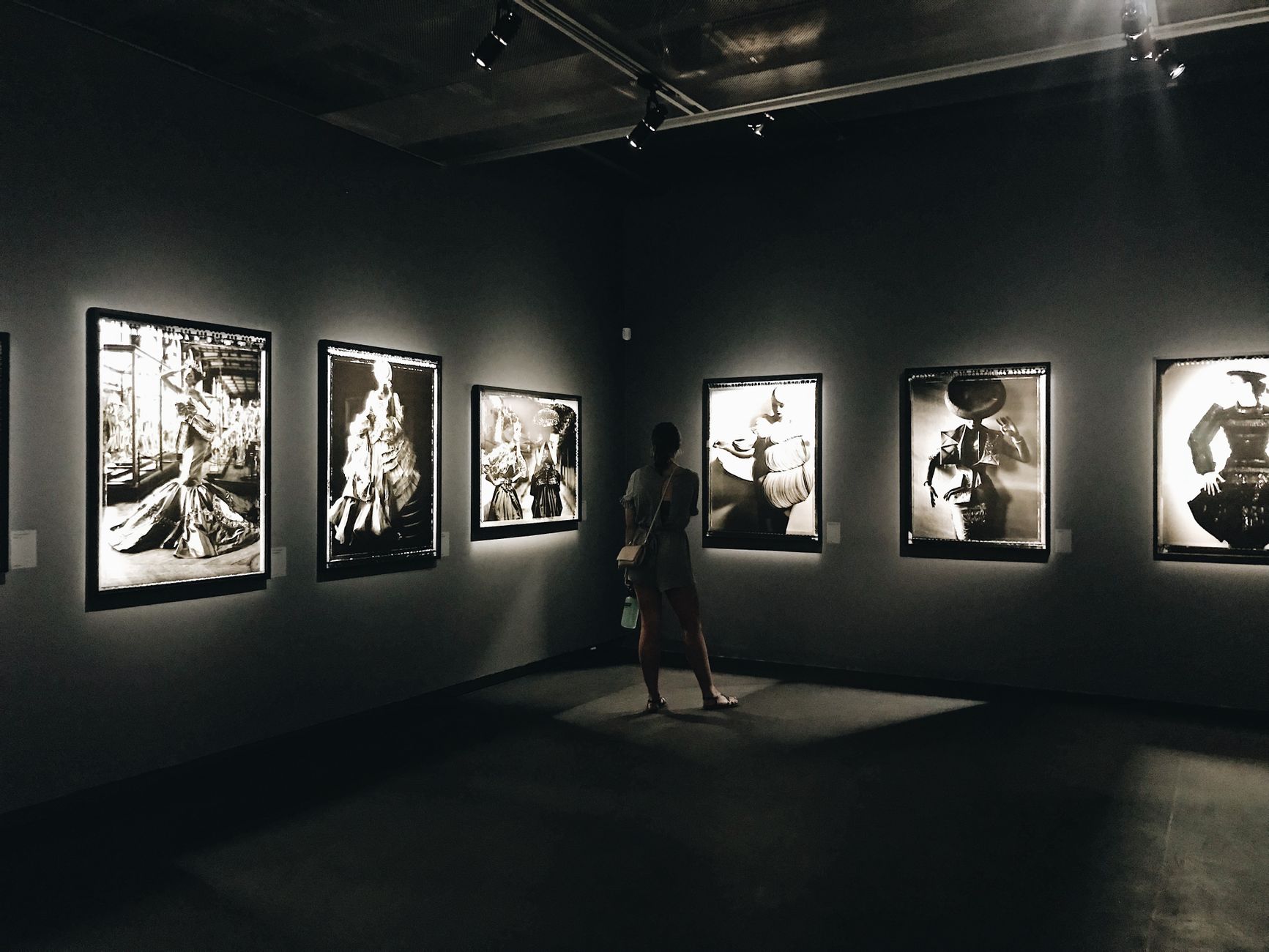
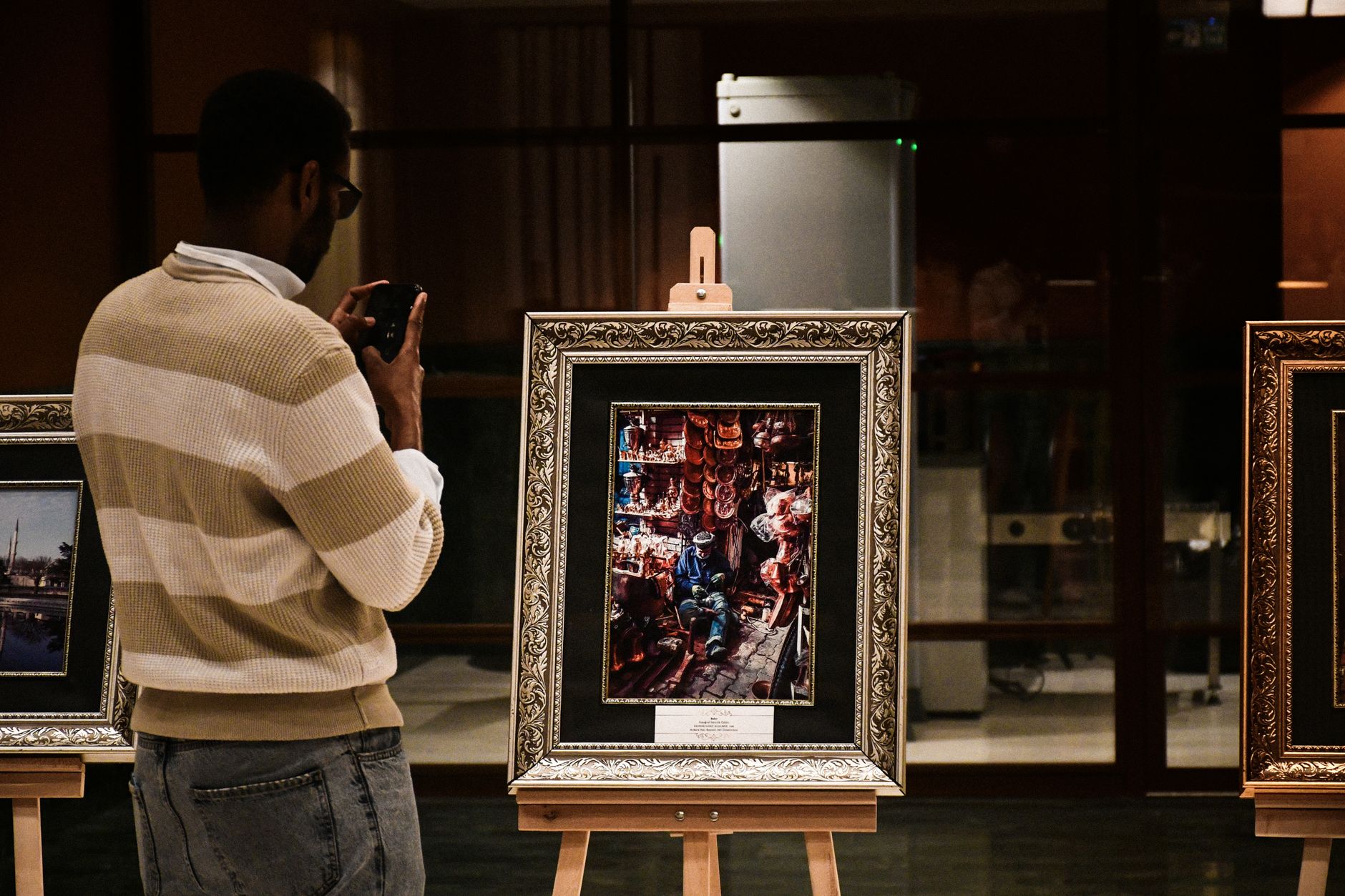
In 2023, the "Art in Motion" pop-up exhibition series, organized by the nonprofit Urban Canvas Collective, demonstrated the powerful impact of mobile art presentations. Over a six-month period, the initiative transformed underutilized urban spaces into vibrant cultural hubs, achieving remarkable results: a 300% increase in visitor engagement compared to traditional gallery shows, with over 25,000 attendees across 12 locations. The series generated $150,000 in artist sales and partnerships, while social media reach exceeded 500,000 impressions. This case study explores how strategic planning, community collaboration, and innovative curation can make pop-up and temporary exhibitions a sustainable model for expanding art accessibility and audience reach.
Background / Challenge
Urban Canvas Collective, founded in 2018, aimed to democratize art access by bringing exhibitions to diverse neighborhoods. However, by 2022, they faced significant challenges. Traditional gallery spaces were costly, limiting their ability to host multiple shows annually. Audience demographics remained narrow, with 70% of attendees being art professionals or seasoned collectors, leaving out broader community engagement. Additionally, static locations struggled to adapt to post-pandemic shifts, where audiences sought experiential and accessible art encounters. The collective needed a solution that could reduce overhead, increase foot traffic, and foster inclusivity without compromising artistic integrity.
This challenge mirrors broader trends in the art world, where institutions are rethinking fixed spaces. As explored in our guide on Emerging Curatorial Trends: A Complete Guide, flexibility and audience-centric approaches are becoming essential for relevance. Urban Canvas Collective's dilemma highlighted a gap in the market: how to leverage temporary exhibitions to build momentum and measurable impact.
Solution / Approach
In early 2023, Urban Canvas Collective launched the "Art in Motion" series, a curated program of pop-up art exhibitions designed to be mobile, temporary, and community-integrated. The approach centered on three core strategies: location scouting in high-traffic, unconventional venues like warehouses, parks, and retail pop-ups; partnerships with local businesses and artists for co-creation; and a digital-first marketing plan to drive awareness. Each exhibition was themed around social issues, such as climate change or urban identity, to resonate with local audiences and encourage dialogue.
The collective adopted a lean operational model, using modular installations that could be assembled and disassembled within 48 hours, reducing setup costs by 40% compared to permanent galleries. They also integrated technology, offering QR code-led audio tours and virtual previews, bridging physical and digital experiences. This hybrid approach aligns with insights from Digital and Virtual Exhibitions: Trends in Online Art Presentation, which emphasizes the value of blending online and offline engagement to extend reach.
Implementation
The implementation phase involved meticulous planning and execution. Urban Canvas Collective formed a core team of five curators, two logistics coordinators, and a marketing specialist. They identified 12 locations across three cities, prioritizing areas with low art infrastructure but high community activity. Each pop-up exhibition ran for 7-10 days, with schedules promoted via social media, local newsletters, and partnerships with cultural organizations.
A key example was the "Eco-Art Pop-Up" held in a reclaimed industrial space in Brooklyn. This exhibition featured 15 artists focusing on sustainability, with installations made from recycled materials. To enhance interactivity, they included workshops on upcycling and climate discussions, drawing families and students. This mini-case illustrates how temporary shows can foster immersive experiences, a trend detailed in Immersive Art Experiences: Trends in Interactive Exhibition Design.
Logistics were streamlined through a phased approach:
- Phase 1 (Months 1-2): Venue selection and artist curation, securing permits and sponsorships.
- Phase 2 (Months 3-4): Installation and marketing blitz, leveraging influencer collaborations.
- Phase 3 (Months 5-6): Execution and data collection, using ticketing apps and surveys to track metrics.
Community feedback was integral, with local volunteers assisting in setup and outreach, fostering a sense of ownership and reducing labor costs by 25%.
Results with Specific Metrics
The "Art in Motion" series delivered quantifiable success across multiple dimensions. Below is a summary of key metrics:
| Metric | Result | Comparison to Baseline |
|---|---|---|
| Total Attendees | 25,500 | 300% increase vs. previous gallery shows |
| Artist Sales Revenue | $150,000 | 200% higher than annual average |
| Social Media Impressions | 520,000 | 400% growth in engagement |
| New Audience Demographics | 45% first-time art viewers | Expanded beyond traditional 30% |
| Cost per Exhibition | $5,000 (avg.) | 40% reduction from static venues |
| Partnership Deals | 8 new sponsors | Including local businesses and grants |
| Community Impact Score | 4.8/5 (survey-based) | Based on post-event feedback |
These results underscore the efficacy of pop-up art exhibitions in driving engagement and revenue. Notably, 60% of attendees reported discovering new artists, and 35% made purchases, indicating strong conversion rates. The series also boosted local economies, with neighboring businesses seeing a 20% increase in foot traffic during exhibition dates. The integration of sustainable practices, such as using eco-friendly materials, resonated with audiences, reflecting a broader shift toward Climate-Conscious Exhibitions: Sustainable Art Presentation Trends.
Key Takeaways
This case study offers valuable insights for art professionals and enthusiasts considering pop-up and temporary exhibitions. First, mobility and flexibility are critical; by rotating locations, Urban Canvas Collective tapped into diverse audiences and reduced fixed costs. Second, community collaboration enhances authenticity and reach—partnering with local entities can amplify impact and foster trust. Third, data-driven curation, informed by audience feedback, ensures relevance and engagement. Finally, integrating digital tools, like virtual previews, can extend the lifecycle of temporary shows beyond physical dates.
These takeaways align with evolving curatorial practices, including efforts toward Decolonizing Museum Spaces: Curatorial Approaches and Exhibition Trends, which emphasize inclusivity and contextual relevance. For artists and curators, pop-up exhibitions represent a low-risk, high-reward model to test concepts and build followings.
About Urban Canvas Collective
Urban Canvas Collective is a nonprofit organization dedicated to making art accessible and impactful in urban environments. Founded by a group of curators and artists, the collective focuses on innovative exhibition formats that bridge art and community. Their mission is to transform underutilized spaces into cultural destinations, supporting emerging artists and fostering public dialogue. With projects like the "Art in Motion" series, they continue to pioneer mobile art presentation trends, contributing to a dynamic global arts landscape. For more information, visit their website or follow their social media channels.
This article is part of FineArtsNews's ongoing coverage of exhibition trends. Explore related content to deepen your understanding of the art world's evolving practices.