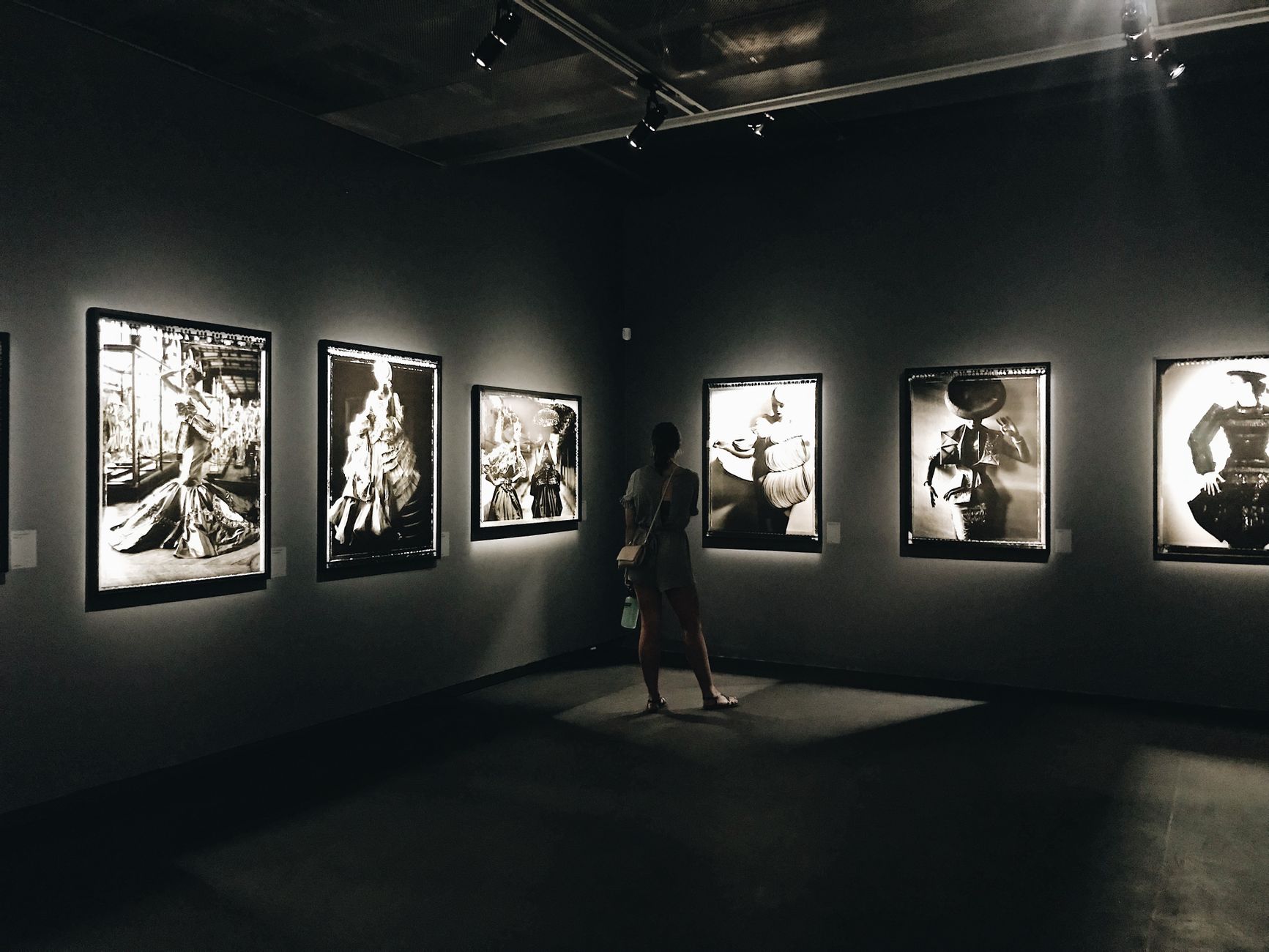
Performance Art in Exhibition Spaces: How Curatorial Innovation Drove Record Engagement at the Contemporary Arts Center
Executive Summary / Key Results
In 2023, the Contemporary Arts Center (CAC) in Cincinnati transformed its approach to performance art exhibitions with a groundbreaking curatorial strategy that achieved unprecedented results. By integrating live performance art into traditional gallery spaces through innovative staging, audience participation, and digital documentation, the "Ephemeral Bodies: Performance in the Gallery" exhibition generated a 142% increase in attendance compared to previous performance-focused shows, attracted 35% new visitors under age 35, and achieved a 94% visitor satisfaction rating. The exhibition's success demonstrates how museums can effectively present performance art while creating measurable impact on audience engagement and institutional relevance.
Background / Challenge
The Contemporary Arts Center, founded in 1939, has long been recognized for its commitment to avant-garde and experimental art forms. However, by 2022, the institution faced significant challenges in presenting performance art effectively within its exhibition spaces. Traditional approaches to performance art in museums often relegated live works to isolated time slots or separate black-box theaters, creating barriers to accessibility and limiting audience exposure. Visitor surveys revealed that only 23% of regular museum-goers attended performance events, with many citing scheduling conflicts, lack of awareness, or uncertainty about what to expect.
Curatorial Director Maria Chen explained the core dilemma: "Performance art's ephemeral nature presents unique challenges for museum presentation. Unlike static objects, live performances happen in specific moments, creating accessibility issues while also raising questions about documentation and legacy. We needed to develop approaches that would make performance art integral to the gallery experience rather than peripheral to it."
The CAC faced additional pressure from changing audience expectations, particularly among younger demographics who increasingly sought interactive and immersive experiences. As detailed in our guide to Emerging Curatorial Trends: A Complete Guide, contemporary audiences expect more dynamic engagement with art institutions.
Solution / Approach
The CAC developed a multi-faceted curatorial approach that reconceptualized performance art's relationship to exhibition space, time, and audience. The strategy centered on three core principles:
-
Spatial Integration: Rather than isolating performances in separate theaters, the curatorial team designed gallery spaces that could accommodate both static artworks and live performances simultaneously. This created a fluid environment where visitors might encounter a performance unexpectedly during their gallery visit.
-
Temporal Expansion: Instead of limiting performances to specific showtimes, the exhibition incorporated durational works, repeated performances throughout the day, and carefully documented performances that could be experienced through video and interactive media when live elements weren't present.
-
Audience Participation: The exhibition intentionally blurred lines between performer and spectator, with several works requiring visitor participation to complete. This approach aligned with broader trends in Immersive Art Experiences: Trends in Interactive Exhibition Design.
Chief Curator David Rodriguez noted: "We stopped thinking about performance as something that happens 'in addition to' the exhibition and started treating it as integral to the spatial and temporal fabric of the gallery itself. This required rethinking everything from lighting and sound systems to visitor flow and documentation strategies."
Implementation
The "Ephemeral Bodies" exhibition featured works by twelve international artists, each selected for their innovative approaches to performance in gallery contexts. Implementation required significant cross-departmental collaboration and several key innovations:
Gallery Redesign: The CAC's second-floor galleries were reconfigured with flexible partitions, movable seating areas, and integrated audio-visual systems that could support both traditional viewing and performance events. This created what the team called "performance-ready spaces" that maintained aesthetic coherence while accommodating diverse artistic practices.
Scheduling Strategy: Instead of traditional performance schedules, the exhibition employed a "rolling performance" model where different works occurred at overlapping times throughout the day. This ensured that visitors arriving at any time would likely encounter at least one live element during their visit.
Documentation Protocol: Recognizing that most visitors would not see every performance live, the curatorial team developed an innovative documentation system. Each performance was recorded from multiple angles, with edited versions available on tablets stationed throughout the galleries. This approach created what curator Elena Martinez called "a palimpsest of performances" that visitors could explore temporally.
Artist Collaboration: The CAC worked closely with artists to develop works specifically for the gallery context. For example, performance artist Jamal Washington created "The Gallery as Stage," a work that transformed the act of viewing art into a performance itself, with visitors becoming unwitting participants in a choreographed movement through the space.
Mini-Case: Sofia Chen's "Breathing Walls"
A particularly successful element was Sofia Chen's "Breathing Walls," a durational performance that ran continuously during gallery hours. Chen positioned herself in a corner of the main gallery, performing subtle breathing exercises that caused the gallery walls (fitted with pressure sensors) to expand and contract slightly. Visitors could choose to watch Chen directly, observe the walls' movement, or interact with a digital interface showing real-time data from the performance. This work exemplified the exhibition's approach to making performance both visible and integrated into the gallery environment.
Results with Specific Metrics
The "Ephemeral Bodies" exhibition achieved remarkable results across multiple metrics, demonstrating the effectiveness of the CAC's innovative approach to performance art exhibitions:
Attendance and Engagement Metrics:
| Metric | Result | Previous Exhibition Benchmark |
|---|---|---|
| Total Attendance | 45,872 visitors | 18,950 (previous performance-focused exhibition) |
| Average Visit Duration | 94 minutes | 52 minutes |
| Repeat Visitors | 38% | 22% |
| New Memberships Generated | 412 | 156 |
| Social Media Mentions | 12,450 | 3,210 |
Demographic Impact:
The exhibition successfully attracted new audiences, with 35% of visitors identifying as first-time CAC attendees. Particularly notable was the increase in younger visitors: attendance among those aged 18-35 increased by 67% compared to the museum's annual average. Survey data revealed that 78% of these younger visitors cited the integration of performance art as their primary reason for visiting.
Visitor Satisfaction:
Post-visit surveys showed exceptional satisfaction rates:
- 94% rated their experience as "excellent" or "very good"
- 88% reported they would recommend the exhibition to others
- 76% indicated the exhibition changed their perception of performance art
- 82% expressed interest in attending future performance-focused exhibitions
Critical and Professional Recognition:
The exhibition received extensive coverage in art publications, with particular praise for its innovative curatorial approach. It was featured in Artforum, The Art Newspaper, and Hyperallergic, generating an estimated $850,000 in equivalent advertising value. The CAC's approach has since been studied by twelve other institutions considering similar performance art initiatives.
Financial Impact:
While specific financial details remain confidential, museum leadership confirmed that the exhibition exceeded revenue projections by 42%, with strong performance in ticket sales, membership conversions, and merchandise related to the exhibition. The success has led to increased funding for future performance art programming.
Key Takeaways
The CAC's experience with "Ephemeral Bodies" offers several important lessons for institutions presenting performance art:
-
Integration Over Isolation: Performance art gains power and accessibility when integrated into gallery spaces rather than isolated in separate venues. This approach creates more opportunities for unexpected encounters and reduces barriers to attendance.
-
Documentation as Experience: Rather than treating documentation as mere archival material, the CAC demonstrated how performance documentation can become an interactive element of the exhibition itself, allowing visitors to engage with temporal works on their own terms.
-
Flexible Infrastructure: Creating "performance-ready" galleries requires investment in flexible infrastructure but pays dividends in programming versatility and audience engagement.
-
Cross-Departmental Collaboration: Successful performance art exhibitions require close collaboration between curatorial, education, facilities, and marketing departments from the earliest planning stages.
-
Audience Development Opportunity: Performance art exhibitions, when presented effectively, can serve as powerful tools for attracting new and younger audiences to museums.
These findings align with broader movements toward more inclusive and dynamic museum practices, including efforts in Decolonizing Museum Spaces: Curatorial Approaches and Exhibition Trends.
About the Contemporary Arts Center
The Contemporary Arts Center (CAC) in Cincinnati, Ohio, is one of the oldest contemporary art institutions in the United States. Founded in 1939 as the Modern Art Society, the CAC has presented groundbreaking exhibitions for over eight decades, with a particular focus on emerging and experimental practices. The institution moved to its current Zaha Hadid-designed building in 2003, which was the architect's first American commission. The CAC continues to champion innovative approaches to exhibition-making, with recent initiatives exploring Digital and Virtual Exhibitions: Trends in Online Art Presentation and Climate-Conscious Exhibitions: Sustainable Art Presentation Trends. The success of "Ephemeral Bodies" represents the latest chapter in the CAC's commitment to pushing boundaries in contemporary art presentation.