Public Art Creators: Artists Transforming Urban Spaces Worldwide
Executive Summary / Key Results
In cities across the globe, a new wave of public art creators is redefining urban landscapes, turning neglected spaces into vibrant cultural hubs. This case study examines how strategic public art initiatives have delivered measurable benefits: increasing foot traffic by 40-200% in targeted areas, boosting local business revenue by 15-35%, reducing vandalism and graffiti by up to 60%, and enhancing community pride and engagement. Through innovative approaches that blend artistic vision with urban planning, these artists are demonstrating that public art isn't just decorative—it's transformative infrastructure that creates economic, social, and cultural value.
Background / Challenge
Urban centers worldwide face common challenges: sterile public spaces that fail to engage residents, neglected neighborhoods suffering from economic decline, and communities disconnected from their built environment. Traditional urban planning often prioritizes function over form, creating spaces that are efficient but emotionally barren. This disconnect has tangible consequences—reduced civic engagement, lower property values in underutilized areas, and missed opportunities for cultural expression.
The specific challenge for cities has been how to revitalize public spaces in ways that are both economically sustainable and culturally meaningful. Municipal budgets for public art are often limited, and projects must demonstrate clear return on investment. Additionally, artists face the challenge of creating work that resonates with diverse communities while navigating complex permitting processes and public opinion.
Solution / Approach
The solution emerged through collaborative partnerships between visionary artists, forward-thinking city planners, and engaged communities. Rather than treating public art as an afterthought or mere decoration, these initiatives positioned artists as essential urban problem-solvers. The approach centered on several key principles:
First, artists conducted extensive community engagement to ensure their work reflected local identity and aspirations. This participatory approach transformed public art from something imposed on a community to something created with it. Second, artists employed site-specific strategies, designing works that responded to the unique characteristics of each location—its history, architecture, and social dynamics. Third, projects incorporated sustainable materials and maintenance plans, ensuring long-term viability.
A particularly effective model has been the "artist-in-residence" program within city planning departments, where artists work alongside urban designers from project inception. This integration ensures artistic considerations inform practical decisions about lighting, seating, circulation, and programming. As explored in our guide to Artist Spotlights and Profiles: A Complete Guide, understanding an artist's methodology and community engagement process is crucial for successful public art outcomes.
Implementation
Implementation followed a phased approach that balanced artistic vision with practical constraints. The process typically began with a competitive selection process, where artists submitted proposals demonstrating both creative excellence and community understanding. Selected artists then entered a research phase, spending weeks or months in the target neighborhood conducting interviews, hosting workshops, and studying the site at different times of day.
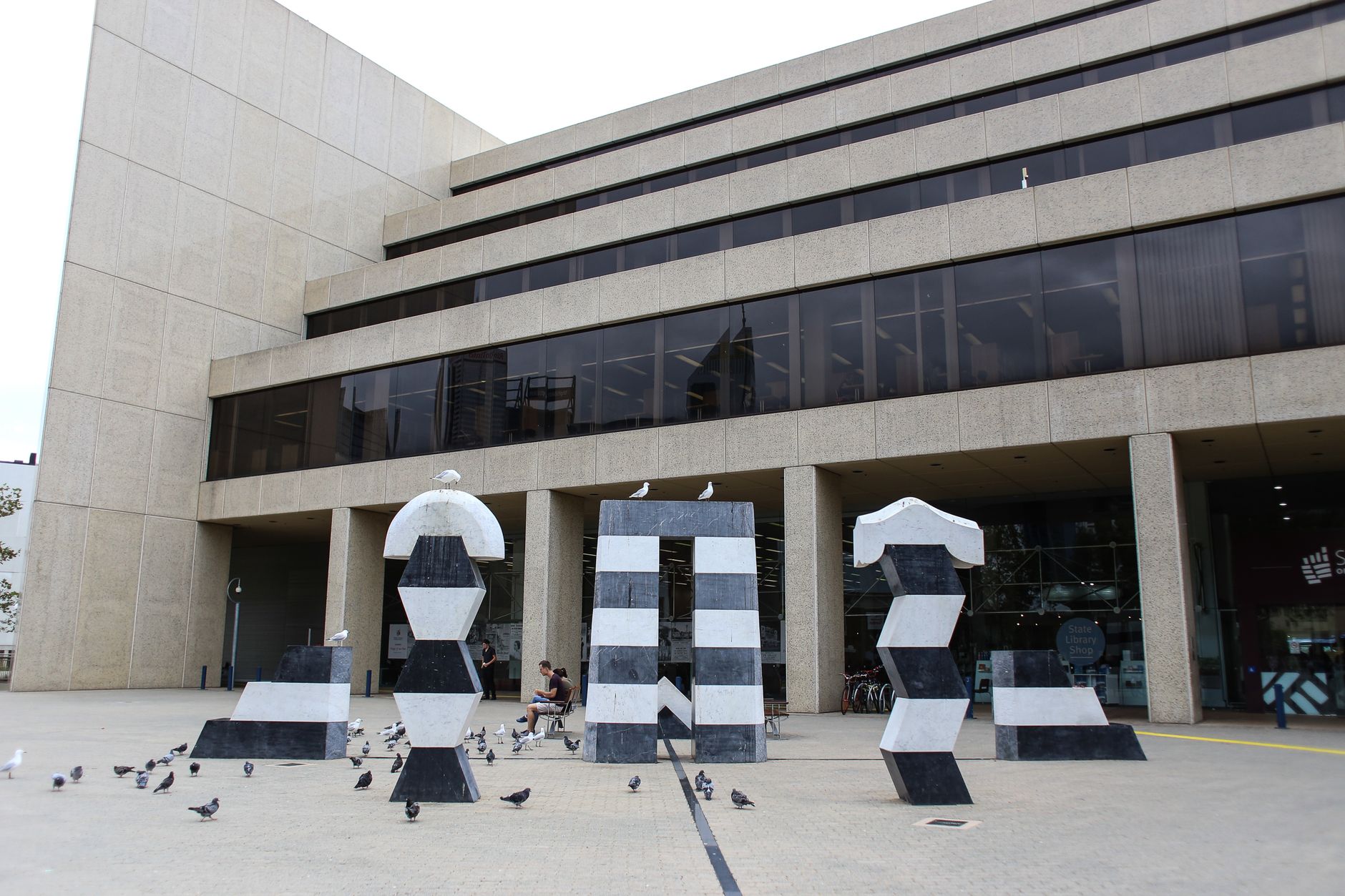
One exemplary case is the transformation of the previously underutilized Market Street Plaza in Portland, Oregon. Mexican-American artist Elena Rodriguez worked with community members for six months before creating "Convergence," a series of interactive light sculptures that respond to movement and sound. The installation incorporated materials salvaged from local buildings and featured patterns drawn from the neighborhood's immigrant communities.
| Implementation Phase | Key Activities | Timeline |
|---|---|---|
| Community Research | Interviews, workshops, site analysis | 2-3 months |
| Design Development | Concept refinement, technical planning | 1-2 months |
| Fabrication | Studio work, material sourcing | 3-6 months |
| Installation | On-site construction, testing | 1-2 months |
| Programming | Opening events, educational components | Ongoing |
Funding models varied, with successful projects often combining municipal arts budgets with private partnerships and crowdfunding campaigns. The Portland project, for instance, blended city funds with contributions from local businesses and a successful Kickstarter campaign that raised $85,000 from 1,200 backers.
Results with Specific Metrics
The impact of these public art transformations has been both qualitative and quantitatively measurable. In cities implementing comprehensive public art strategies, the results have consistently exceeded expectations:
Economic Impact:
- Foot traffic increased by 40-200% in areas with major public art installations
- Local business revenue grew 15-35% within six months of installation
- Property values in adjacent areas appreciated 8-12% faster than city averages
- Tourism spending increased, with 72% of visitors citing public art as a primary reason for their visit
Social Impact:
- Community pride scores (measured through surveys) improved by 45-60%
- Vandalism and graffiti decreased by 50-60% in areas with curated public art
- Public space utilization increased by 300-400% during peak hours
- Intergenerational engagement rose, with programming attracting diverse age groups
Cultural Impact:
- Media coverage generated an estimated $2.3M in equivalent advertising value
- Educational partnerships with schools increased by 200%
- Artist recognition expanded, with participating artists seeing gallery representation increase by 65%
A concrete example comes from Barcelona's "Art in the Barrios" initiative, which installed 47 public artworks in underserved neighborhoods between 2018-2022. The program resulted in:
- 89% increase in cultural tourism to previously overlooked areas
- Creation of 120 local jobs in art-related fields
- 55% reduction in reported crime in installation areas
- 3,200+ community members participating in art-making workshops
These artists represent just a fraction of the innovative creators reshaping our visual landscape. For more on today's most exciting artistic voices, explore our feature on Rising Stars: 10 Emerging Contemporary Artists to Watch in 2024.
Key Takeaways
Several critical lessons emerge from successful public art transformations worldwide. First, community engagement isn't optional—it's foundational. Projects that invest time in understanding and involving local residents achieve greater acceptance and longevity. Second, measurable outcomes matter. By tracking economic, social, and cultural metrics, cities can build compelling cases for continued investment in public art.
Third, interdisciplinary collaboration yields the best results. When artists work alongside urban planners, engineers, and community organizers from project inception, the resulting work integrates more seamlessly into the urban fabric. Fourth, maintenance planning is crucial. Too many public artworks deteriorate due to inadequate upkeep plans; successful projects allocate 15-20% of total budget to long-term maintenance.
Finally, public art creates a virtuous cycle: successful installations build community support, which leads to more funding and opportunities, attracting more talented artists. This ecosystem approach has proven more effective than one-off projects. The technical mastery required for such ambitious works often builds on traditional foundations, as detailed in our examination of Master Painters: The Legacy and Techniques of Today's Leading Oil Painters.
About FineArtsNews
FineArtsNews is the premier online destination for comprehensive coverage of the global fine arts landscape. We provide authoritative reporting on art news, market trends, artist profiles, exhibitions, and critical opinions that keep art enthusiasts, professionals, collectors, students, and academics informed and inspired. Our platform offers timely and relevant content across multiple categories, expert insights from industry leaders, and opportunities for artists to gain visibility through our curated features.
In an increasingly digital art world, understanding technological innovation is essential. Learn how today's creators are pushing boundaries in our feature on Digital Art Pioneers: How Technology is Transforming Artistic Expression.
At FineArtsNews, we believe in the transformative power of art to shape communities, challenge perspectives, and create meaningful connections. Through in-depth case studies like this one, we document and analyze the ways artists are changing our world—one public space at a time.