Sculpture Innovators: Artists Redefining Three-Dimensional Art Forms
In the ever-evolving landscape of contemporary art, sculpture stands as a dynamic and transformative medium, continually pushing the boundaries of form, material, and concept. This comprehensive guide explores the visionary artists who are redefining three-dimensional art, moving beyond traditional bronze and marble to incorporate cutting-edge technologies, unconventional materials, and profound social commentary. From monumental public installations to intimate gallery pieces, these innovators challenge our perceptions of space, materiality, and artistic expression, creating works that resonate with both art enthusiasts and professionals alike. As the art market increasingly recognizes the value of three-dimensional works—with contemporary sculpture sales growing by 15% annually according to recent market analyses—understanding these pioneers becomes essential for collectors, curators, and anyone invested in the future of fine arts.
The Evolution of Contemporary Sculpture
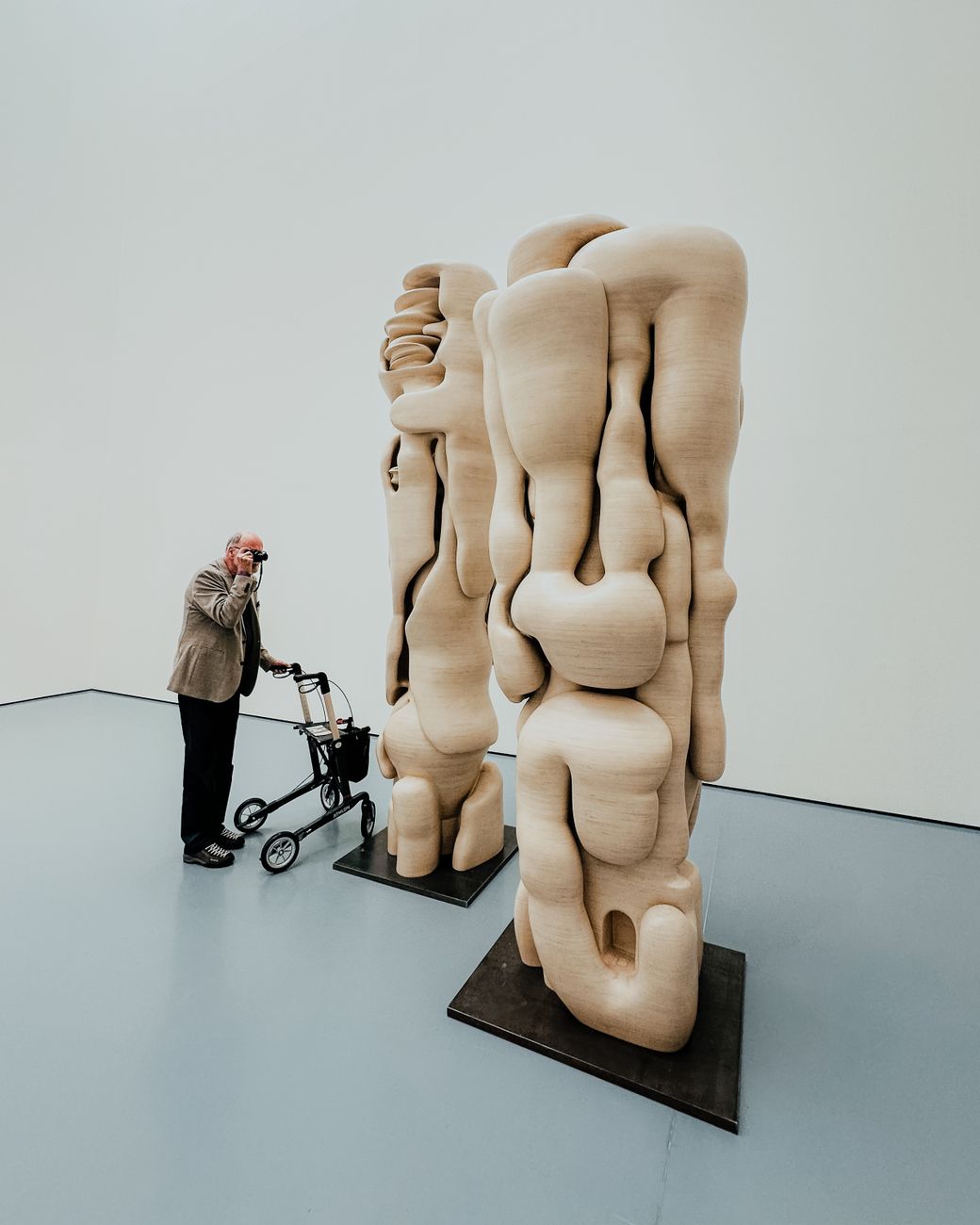
Contemporary sculpture has undergone a radical transformation since the mid-20th century, moving away from figurative representation toward abstraction, conceptualism, and installation art. The shift began with artists like Constantin Brâncuși and Henry Moore, who simplified forms and emphasized materiality, paving the way for later innovators. By the 1960s, movements like Minimalism and Land Art expanded sculpture's possibilities, incorporating industrial materials and natural environments. Today's sculptors build upon this legacy while integrating digital technologies, sustainable practices, and global perspectives. This evolution reflects broader cultural changes, including technological advancement, environmental awareness, and increased interdisciplinary collaboration between artists, engineers, and scientists.
Key Historical Milestones
The development of modern sculpture can be traced through several pivotal moments. The introduction of welded metal in the 1950s by artists like David Smith allowed for greater structural freedom, while the 1970s saw the rise of installation art, where space itself became a sculptural element. The 1990s brought digital fabrication techniques, enabling precise, complex forms previously impossible to create by hand. Each of these milestones expanded the medium's vocabulary, setting the stage for today's innovators who blend traditional craftsmanship with avant-garde approaches. Understanding this history provides context for appreciating current trends, such as the resurgence of figurative work with a contemporary twist or the integration of augmented reality into physical objects.
Pioneering Materials and Techniques
Modern sculptors are experimenting with an unprecedented range of materials, from recycled plastics and biodegradable substances to advanced composites and smart materials that respond to environmental stimuli. Artists like Tara Donovan transform everyday objects—such as plastic cups or pencils—into breathtaking large-scale installations that explore accumulation and repetition. Others, like Anish Kapoor, utilize high-tech materials like Vantablack, the darkest substance known, to create works that challenge visual perception. These material innovations are often driven by sustainability concerns, with many artists prioritizing eco-friendly practices and upcycling discarded materials into profound artistic statements.
Technological Integration
Digital technologies have revolutionized sculpture, enabling new forms of creation and interaction. 3D printing allows artists to produce intricate designs with precision, while CNC milling facilitates large-scale fabrication from digital models. Artists like Michael Hansmeyer use algorithmic design to generate complex, organic forms that would be impossible to conceive manually. Additionally, interactive sculptures incorporating sensors, lights, and sound create immersive experiences for viewers, blurring the line between art and technology. This technological integration not only expands artistic possibilities but also raises questions about authorship, reproducibility, and the role of the artist in a digital age.
Leading Contemporary Sculpture Artists
A diverse array of artists is shaping the future of three-dimensional art, each bringing unique perspectives and methodologies. Some focus on social and political commentary, while others explore pure form or material experimentation. The following table highlights key figures and their contributions:
| Artist | Nationality | Key Contributions | Notable Works |
|---|---|---|---|
| Anish Kapoor | British-Indian | Exploration of space, perception, and materiality; use of pigments and reflective surfaces | Cloud Gate (Chicago), Descension (whirlpool installations) |
| Rachel Whiteread | British | Casting negative spaces of everyday objects; memorializing the mundane | House (concrete cast of a Victorian house), Water Tower (NYC) |
| Ai Weiwei | Chinese | Political activism through sculpture; use of traditional materials in contemporary contexts | Sunflower Seeds (porcelain seeds), Circle of Animals/Zodiac Heads |
| Olafur Eliasson | Danish-Icelandic | Environmental themes; immersive installations using light, water, and temperature | The Weather Project (Tate Modern), Ice Watch (climate change awareness) |
| Kaws (Brian Donnelly) | American | Blending pop culture with fine art; large-scale public sculptures | Companion series, Along the Way (installation) |
These artists represent just a fraction of the talent redefining sculpture today. For deeper insights into individual careers and artistic philosophies, explore our comprehensive guide on Artist Spotlights and Profiles: A Complete Guide, which offers detailed analyses of influential figures across mediums.
Emerging Voices in Sculpture
While established artists continue to innovate, a new generation of sculptors is emerging, bringing fresh ideas and perspectives. Many of these rising stars address urgent contemporary issues such as climate change, identity politics, and digital culture. For instance, artist and architect Suchi Reddy combines neuroaesthetics and sustainable design in her sensory installations, while Lap-See Lam uses 3D scanning to explore diaspora and cultural heritage. Supporting these emerging voices is crucial for the medium's evolution, as they often take risks and experiment with unconventional approaches that challenge established norms. To discover more promising talents, read our feature on Rising Stars: 10 Emerging Contemporary Artists to Watch in 2024, which highlights sculptors pushing boundaries in exciting ways.
Case Study: The Work of Simone Leigh
Simone Leigh's practice exemplifies how contemporary sculptors are redefining the medium through cultural narrative and material innovation. Leigh, who represented the United States at the 2022 Venice Biennale, creates large-scale ceramic and bronze works that center Black femme subjectivity and African diasporic traditions. Her sculpture Brick House (2019), a 16-foot-tall bronze bust atop a skirt-like form, combines architectural elements with references to West African pottery and Black hair care. Leigh's use of traditional techniques like coil-building and burnishing, combined with monumental scale, challenges historical exclusions in sculpture while expanding its formal language. Her success—including winning the Golden Lion at Venice—demonstrates the market and critical recognition for sculptors who merge conceptual depth with masterful craftsmanship.
Conceptual Approaches and Themes
Contemporary sculpture is increasingly driven by ideas, with artists using three-dimensional form to explore complex themes. Common conceptual approaches include:
- Memory and History: Many sculptors engage with personal or collective memory, creating works that memorialize, critique, or reimagine historical narratives. For example, Doris Salcedo's installations address political violence in Colombia through everyday objects imbued with haunting presence.
- The Body and Identity: Sculptors like Antony Gormley and Sarah Sze investigate human embodiment, often using the figure as a site for exploring identity, vulnerability, and connection to space.
- Ecology and Environment: With growing climate concerns, artists like Maya Lin and John Gerrard create works that visualize environmental data or use natural materials to advocate for sustainability.
- Social and Political Commentary: Sculpture serves as a powerful tool for activism, with artists like Theaster Gates and Tania Bruguera addressing issues of race, inequality, and migration through immersive installations.
These conceptual frameworks demonstrate sculpture's capacity to engage with pressing societal issues, moving beyond aesthetic considerations to provoke thought and dialogue.
The Role of Technology and Digital Media
Digital tools have not only changed how sculpture is made but also how it is experienced. Augmented reality (AR) and virtual reality (VR) allow viewers to interact with digital sculptures in physical spaces or immersive environments. Artists like Refik Anadol use machine learning to create data-driven sculptures that visualize information in real-time, while others experiment with blockchain and NFTs to explore ownership and value in the digital age. This technological integration raises important questions about materiality in a post-digital world: What is the "object" when a sculpture exists as both physical and virtual entity? How does digital reproduction affect uniqueness and aura? These questions are central to contemporary practice, as artists navigate the intersection of traditional craft and digital innovation.
Exhibition and Installation Strategies
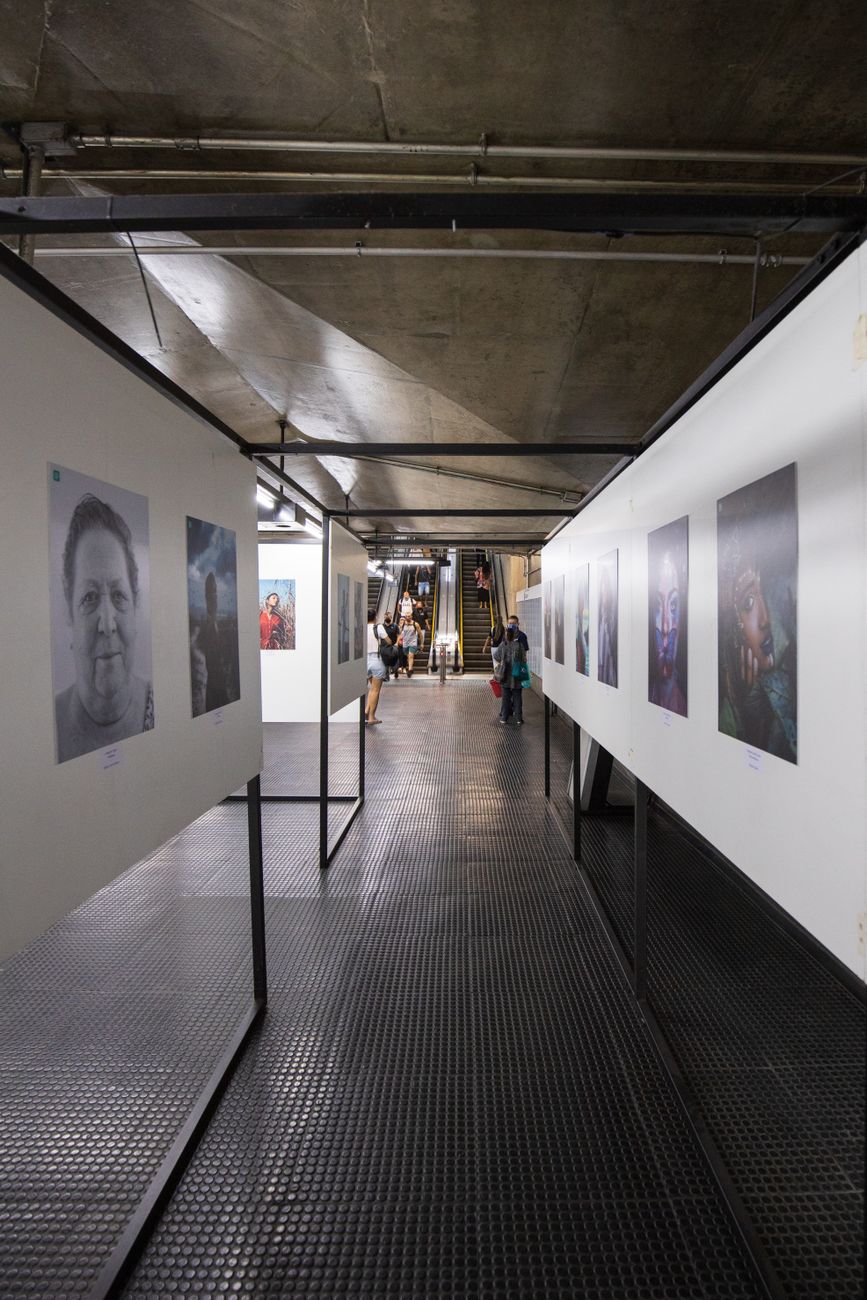
The presentation of sculpture has evolved significantly, with artists considering site-specificity, viewer interaction, and spatial dynamics as integral to their work. Large-scale installations often require collaboration with architects, engineers, and curators to realize ambitious visions. Museums and galleries are adapting to these demands, designing flexible spaces that accommodate immersive environments or performative elements. Public sculpture, in particular, has gained prominence, with cities worldwide commissioning works that engage diverse audiences and transform urban landscapes. Successful installation requires careful attention to context, scale, and material durability, especially for outdoor works exposed to environmental factors.
Public Sculpture and Community Engagement
Public sculpture plays a vital role in democratizing art, bringing it outside institutional walls and into everyday life. Artists like Jaume Plensa create monumental works that become landmarks and gathering spaces, such as his Crown Fountain in Chicago's Millennium Park, which incorporates video portraits of local residents. Community engagement is increasingly prioritized, with artists collaborating with local groups to ensure works reflect and serve their settings. This approach not only fosters public appreciation for sculpture but also reinforces its relevance as a social practice. However, public art also faces challenges, including funding, maintenance, and sometimes controversy, as seen in debates over memorials and monuments.
Market Trends and Collecting Insights
The market for contemporary sculpture has grown robustly, with auction sales and gallery demand reflecting increased collector interest. Key trends include:
- Diversity of Materials: Collectors are showing appetite for works using unconventional materials, from textiles to digital components, though durability and conservation remain considerations.
- Editioned Works: Many sculptors produce limited editions, making high-quality pieces more accessible while maintaining value through scarcity.
- Cross-Media Practices: Artists who work across sculpture, painting, and installation often see strong market performance, as their diverse output appeals to broader audiences.
- Geographic Expansion: While traditional hubs like New York and London dominate, markets in Asia and the Middle East are growing, with institutions and collectors supporting regional sculptors.
According to a 2023 report by Art Market Research, contemporary sculpture prices have appreciated by an average of 8% annually over the past decade, outperforming many other art categories. This growth is driven by factors such as institutional validation, media coverage, and the physical presence of sculptural works, which offer a tangible alternative to two-dimensional art. For collectors, understanding these trends is essential for making informed acquisitions, whether focusing on emerging artists or established masters.
Conservation and Preservation Challenges
As sculptors employ new materials and technologies, conservation practices must adapt to ensure the longevity of these works. Traditional materials like bronze and stone have well-established preservation methods, but contemporary works using plastics, electronics, or organic substances present unique challenges. For example, sculptures incorporating LED lights or moving parts require ongoing maintenance and technical expertise, while biodegradable pieces raise questions about whether change over time is part of the artistic intent. Institutions like the Getty Conservation Institute are researching innovative solutions, such as developing protocols for 3D-printed materials or creating digital archives for performance-based sculptures. These efforts are crucial for preserving today's innovations for future generations, balancing authenticity with practical care.
Educational and Career Pathways
For aspiring sculptors, numerous educational and professional opportunities exist to develop skills and visibility. Leading art schools offer specialized programs in sculpture, often emphasizing both traditional techniques and digital tools. Residencies and grants provide crucial support for experimentation, while artist-run spaces and alternative venues offer platforms for showing work outside commercial galleries. Networking within the art community—through events, exhibitions, and online platforms—is essential for building a career. Additionally, many sculptors supplement their practice through teaching, public commissions, or collaborative projects with designers and architects. Understanding these pathways can help emerging artists navigate the competitive landscape and sustain long-term practice.
Future Directions and Predictions
The future of sculpture promises continued innovation, with several emerging trends likely to shape the medium. Biotechnologies, such as living materials or biofabrication, may enable sculptures that grow, decay, or interact with their environments in organic ways. Advances in robotics and AI could lead to autonomous sculptures that adapt to viewers or create themselves. Socially engaged practices will likely expand, with artists using sculpture to address global challenges like migration, inequality, and climate crisis. Furthermore, the integration of virtual and physical realms may redefine sculpture's spatial parameters, creating hybrid experiences that transcend traditional gallery settings. As these developments unfold, sculpture will remain a vital, responsive medium, reflecting and shaping our understanding of the three-dimensional world.
Conclusion
Contemporary sculpture is a vibrant and multifaceted field, driven by artists who continually reinvent three-dimensional art through material innovation, conceptual depth, and technological integration. From pioneering figures like Anish Kapoor and Rachel Whiteread to emerging voices exploring digital and ecological themes, these innovators expand what sculpture can be and do. As the market grows and public engagement increases, sculpture's relevance only strengthens, offering profound ways to experience space, form, and idea. Whether through monumental public installations or intimate gallery pieces, these artists challenge perceptions, provoke dialogue, and enrich our visual culture. For those interested in exploring related artistic practices, our article on Master Painters: The Legacy and Techniques of Today's Leading Oil Painters provides complementary insights into two-dimensional innovation. As we look ahead, sculpture will undoubtedly continue to evolve, reflecting the complexities of our time while pointing toward new artistic horizons.