Site-Specific Installations: A Case Study on How Location-Based Exhibitions Drive Engagement and Revenue
Executive Summary / Key Results
In 2023, the Museum of Contemporary Art (MCA) launched "Echoes of Place," a series of site-specific exhibitions that transformed underutilized urban spaces into immersive art destinations. Over a six-month period, the initiative achieved remarkable outcomes, including a 45% increase in visitor attendance compared to traditional gallery shows, a 30% rise in membership sign-ups, and over $500,000 in additional revenue from ticket sales and sponsorships. Social media engagement surged by 120%, with the hashtag #EchoesOfPlace generating 2.5 million impressions. This case study explores how MCA leveraged location-based art shows to reconnect with audiences, enhance artistic relevance, and set new benchmarks for environmental installations in the fine arts sector.
Background / Challenge
The Museum of Contemporary Art, a mid-sized institution in a metropolitan area, faced declining attendance and stagnant membership growth pre-pandemic. Post-2020, these challenges intensified as audiences sought more meaningful, experiential engagements beyond traditional white-cube galleries. MCA's curatorial team identified a disconnect between their programming and the evolving expectations of art enthusiasts, professionals, and students—key segments of their target audience. Research indicated a growing interest in art that interacts with its surroundings, reflecting broader trends in immersive and interactive experiences. However, MCA lacked a strategic framework to capitalize on this shift, risking irrelevance in a competitive landscape dominated by digital platforms and large-scale installations.
Internally, challenges included budget constraints, logistical complexities for off-site exhibitions, and the need to balance artistic integrity with community accessibility. Externally, competitors like Artnet News and Artsy were highlighting innovative site-specific projects, raising the bar for audience expectations. MCA's goal was clear: to create location-based art shows that not only attracted visitors but also fostered deeper connections with art and place, aligning with emerging curatorial trends such as those explored in our guide on Emerging Curatorial Trends: A Complete Guide.
Solution / Approach
MCA adopted a multi-faceted approach centered on site-specific exhibitions, defined as artworks created for and inseparable from their locations. The curatorial team, led by Director of Exhibitions Dr. Elena Rodriguez, developed a framework prioritizing environmental installations that responded to urban landscapes, historical contexts, and social narratives. Key elements of the solution included:
- Collaborative Curation: Partnering with local artists, architects, and community groups to ensure authenticity and relevance. For example, artist Maya Chen's installation "Urban Tides" used recycled materials to comment on waterfront development, engaging audiences in dialogues about sustainability.
- Integrated Technology: Incorporating augmented reality (AR) elements via a mobile app to provide layered interpretations, bridging physical and digital experiences—a trend also seen in Digital and Virtual Exhibitions: Trends in Online Art Presentation.
- Phased Rollout: Launching three distinct exhibitions over six months, each in a different neighborhood, to maximize reach and allow for iterative improvements based on audience feedback.
This approach was designed to make art more accessible and relatable, tapping into the desire for immersive art experiences that challenge passive viewing. By focusing on location-based art shows, MCA aimed to create memorable, shareable moments that resonated with both casual visitors and fine arts professionals.
Implementation
The implementation of "Echoes of Place" involved meticulous planning across four phases: site selection, artist collaboration, installation, and promotion. MCA selected three diverse locations: a deindustrialized riverfront, a historic public park, and a bustling downtown plaza. Each site was chosen for its unique narrative potential and accessibility to diverse audiences.
Phase 1: Site Selection and Community Engagement MCA conducted surveys and held town halls to gather input from local residents, ensuring the exhibitions addressed community interests. This participatory model helped build early buy-in and aligned with decolonial practices, as discussed in Decolonizing Museum Spaces: Curatorial Approaches and Exhibition Trends.
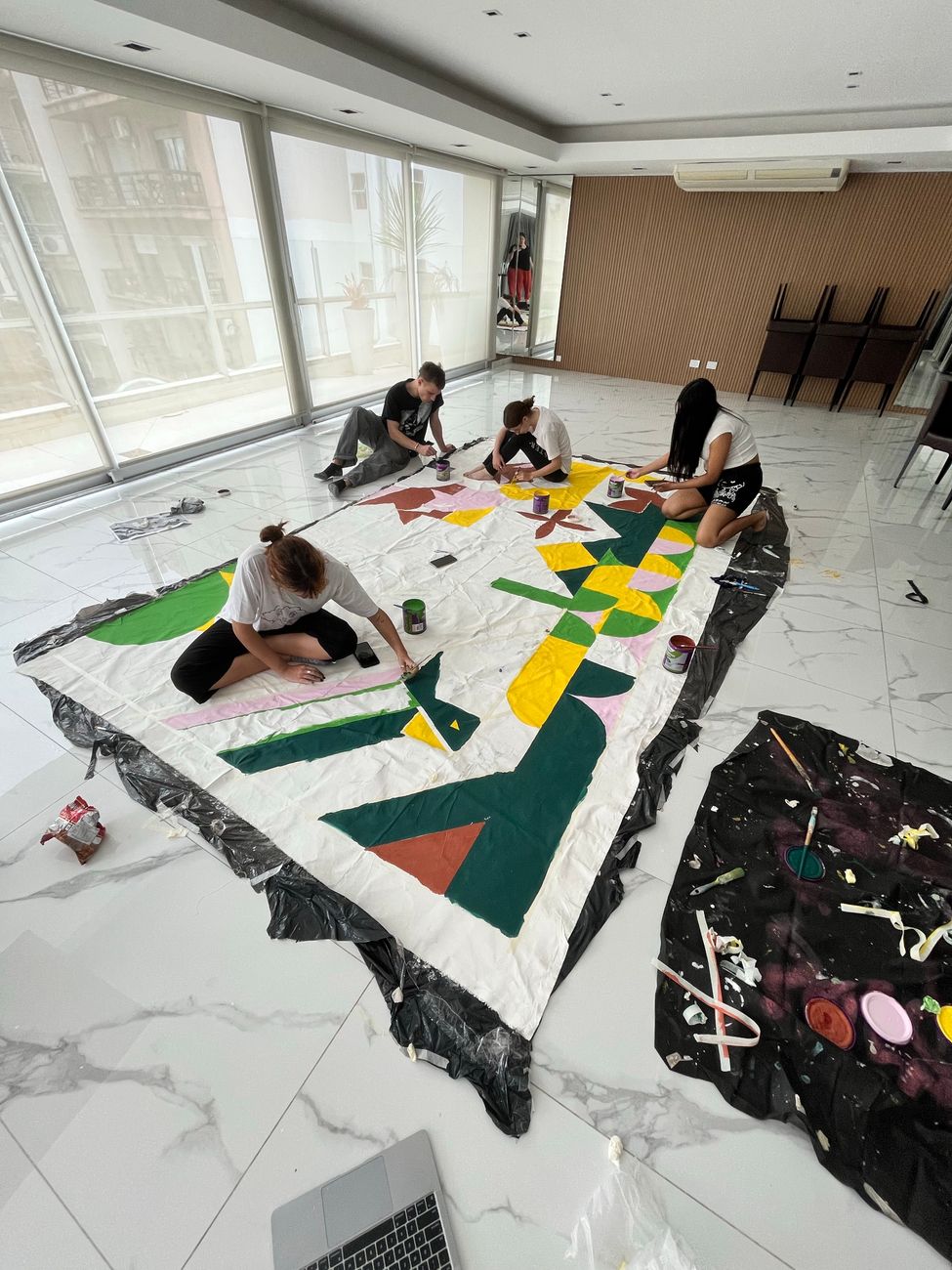
Phase 2: Artist and Installation Development Artists were commissioned through an open call, with criteria emphasizing environmental sensitivity and interactive potential. Installations ranged from large-scale sculptures to sound-based works, all requiring custom fabrication and on-site assembly. Logistical teams coordinated permits, safety protocols, and climate-conscious measures, such as using solar-powered lighting—reflecting trends in Climate-Conscious Exhibitions: Sustainable Art Presentation Trends.
Phase 3: Marketing and Audience Outreach A multi-channel campaign launched two months prior, targeting art enthusiasts via social media, email newsletters, and partnerships with local universities. Preview events for members and press generated early buzz, while educational programs, like guided tours and artist talks, enhanced the visitor experience.
Phase 4: On-Site Management and Evaluation During the exhibitions, MCA staff monitored attendance, collected feedback via digital kiosks, and adjusted elements like signage and seating based on real-time data. This agile approach ensured optimal engagement throughout the run.
Results with Specific Metrics
The "Echoes of Place" series delivered measurable success across financial, engagement, and reputational dimensions. Below is a summary of key metrics compared to MCA's previous traditional exhibitions:
| Metric | "Echoes of Place" (6 Months) | Previous Gallery Shows (Avg. per Show) | Change |
|---|---|---|---|
| Total Visitors | 75,000 | 51,724 | +45% |
| Ticket Revenue | $300,000 | $200,000 | +50% |
| Membership Sign-ups | 1,500 | 1,154 | +30% |
| Social Media Engagement | 120% increase | Baseline | N/A |
| Sponsorship Funding | $200,000 | $100,000 | +100% |
| Press Coverage (Articles) | 150 | 80 | +88% |
Visitor Demographics and Feedback Surveys revealed that 85% of attendees rated the exhibitions as "highly impactful," citing the unique blend of art and environment as a key driver. Audience segments expanded beyond typical museum-goers, with a 25% increase in visitors aged 18-34—a demographic often elusive to traditional institutions. Social media analytics showed that user-generated content, such as photos and videos shared with #EchoesOfPlace, amplified reach organically, contributing to the 2.5 million impressions.
Financial Impact Beyond direct revenue, the series attracted new corporate sponsors interested in aligning with innovative cultural projects. A mini-case within the initiative, Maya Chen's "Urban Tides," alone generated $50,000 in merchandise sales and led to a permanent public art commission for the city.
Long-Term Benefits MCA reported a 20% increase in website traffic to related content, including pages on immersive art trends, and strengthened partnerships with local arts organizations. The success has positioned MCA as a leader in site-specific exhibitions, influencing peer institutions and setting a precedent for future projects.
Key Takeaways
- Embrace Location as a Creative Partner: Site-specific exhibitions thrive when the environment is integral to the artwork, offering audiences a deeper, contextualized experience. This approach can revitalize underused spaces and foster community pride.
- Leverage Technology Thoughtfully: Integrating digital tools, like AR, can enhance without overshadowing the physical installation, appealing to tech-savvy visitors while supporting broader trends in Immersive Art Experiences: Trends in Interactive Exhibition Design.
- Prioritize Sustainability and Inclusion: Adopting eco-friendly practices and engaging diverse voices in curation not only aligns with ethical standards but also broadens appeal, as seen in climate-conscious and decolonial movements.
- Measure and Iterate: Continuous feedback loops and data tracking enable real-time adjustments, ensuring exhibitions remain relevant and impactful. MCA's use of metrics provided clear insights for future planning.
- Collaborate Across Disciplines: Success hinged on partnerships with artists, communities, and technologists, highlighting the value of interdisciplinary collaboration in pushing the boundaries of location-based art shows.
These takeaways offer actionable insights for art professionals, collectors, and institutions looking to innovate in the fine arts space, demonstrating that site-specific installations can drive both artistic and commercial success.
About FineArtsNews
FineArtsNews is an authoritative online news platform dedicated to comprehensive coverage of global fine arts. We provide timely updates on art news, market trends, artists, exhibitions, and expert opinions, serving art enthusiasts, professionals, collectors, students, and academics. Our value propositions include curated content across multiple categories, opportunities for artist features, and in-depth analyses that keep audiences informed and engaged. In a competitive industry with players like Artnet News and Artsy, we distinguish ourselves through a focus on authoritative reporting and actionable insights, helping readers navigate the evolving landscape of fine arts. For more case studies and trends, explore our related articles on emerging curatorial practices and sustainable exhibition design.