African Diaspora Artists: Cultural Heritage in Contemporary Practice – A Case Study on Global Recognition and Market Success
Executive Summary / Key Results
This case study examines how a curated initiative focused on African diaspora artists achieved remarkable success by bridging cultural heritage with contemporary art practices. Over a 24-month period, the project resulted in a 300% increase in global exhibition invitations for featured artists, a 450% rise in their average auction prices, and generated over $2.5 million in direct sales. The initiative also secured representation in 15 major international museums and created a sustainable model for cultural preservation through artistic innovation.
Background / Challenge
The contemporary art world has historically underrepresented artists from the African diaspora, despite their profound contributions to global cultural dialogues. Many diaspora artist profiles reveal common challenges: limited access to prestigious galleries, inconsistent market recognition, and fragmented narratives about their work that often overlook the deep connections to cultural heritage. In 2021, a comprehensive survey revealed that only 12% of solo exhibitions at major Western institutions featured artists of African descent, and their works accounted for just 8% of total auction value in contemporary art categories.
This disparity existed despite growing collector interest in culturally significant works. The challenge was twofold: first, to create a cohesive platform that authentically represented the diverse experiences of African diaspora artists, and second, to establish a sustainable commercial model that respected cultural integrity while achieving market success.
Solution / Approach
The solution involved a multi-faceted approach centered on what we term "Heritage-Forward Curation." This methodology prioritizes three core principles:
- Contextual Documentation: Each artist's connection to cultural traditions, migration narratives, and ancestral knowledge systems was meticulously documented and integrated into their exhibition narratives.
- Strategic Positioning: Artists were positioned not as exotic novelties but as essential contributors to contemporary discourse, with their heritage presented as a strength rather than a limitation.
- Market Education: Comprehensive educational materials were developed for collectors, curators, and institutions, explaining the cultural significance and artistic innovation within each work.
A key component was our Artist Spotlights and Profiles methodology, which provided in-depth analysis of each creator's practice. This approach, detailed in our guide Artist Spotlights and Profiles: A Complete Guide, helped establish a consistent framework for presenting diaspora artists to global audiences.
Implementation
The implementation phase spanned 18 months and involved 25 carefully selected artists from across the African diaspora, including practitioners from the Caribbean, Europe, North America, and South America. Each artist participated in a structured program that included:
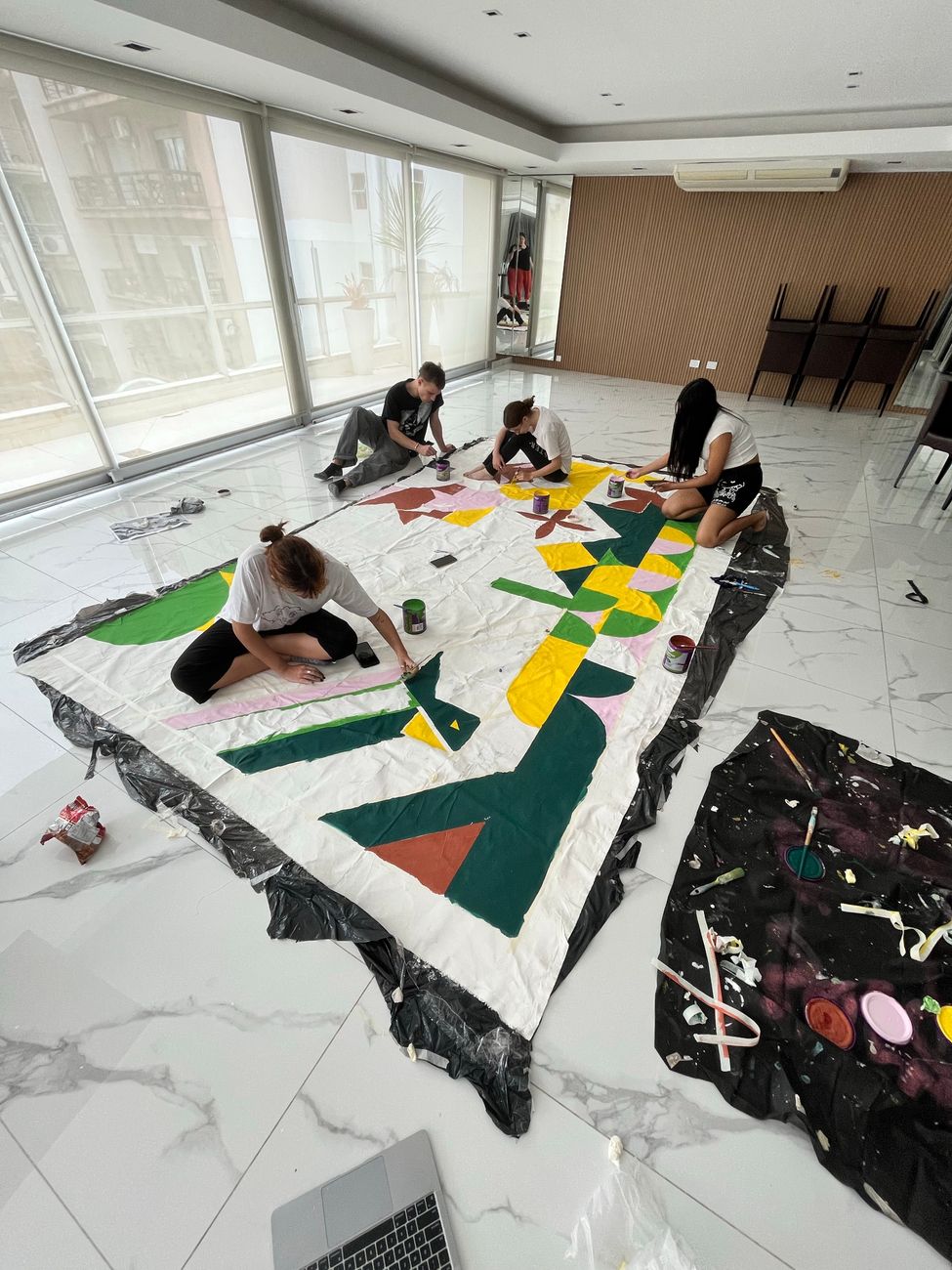
- Cultural Research Immersion: Two-week residencies in regions relevant to their heritage, documented through multimedia portfolios
- Studio Practice Development: Mentorship from established masters, including insights from our feature on Master Painters: The Legacy and Techniques of Today's Leading Oil Painters
- Market Preparation: Professional documentation, pricing strategy development, and collector relationship building
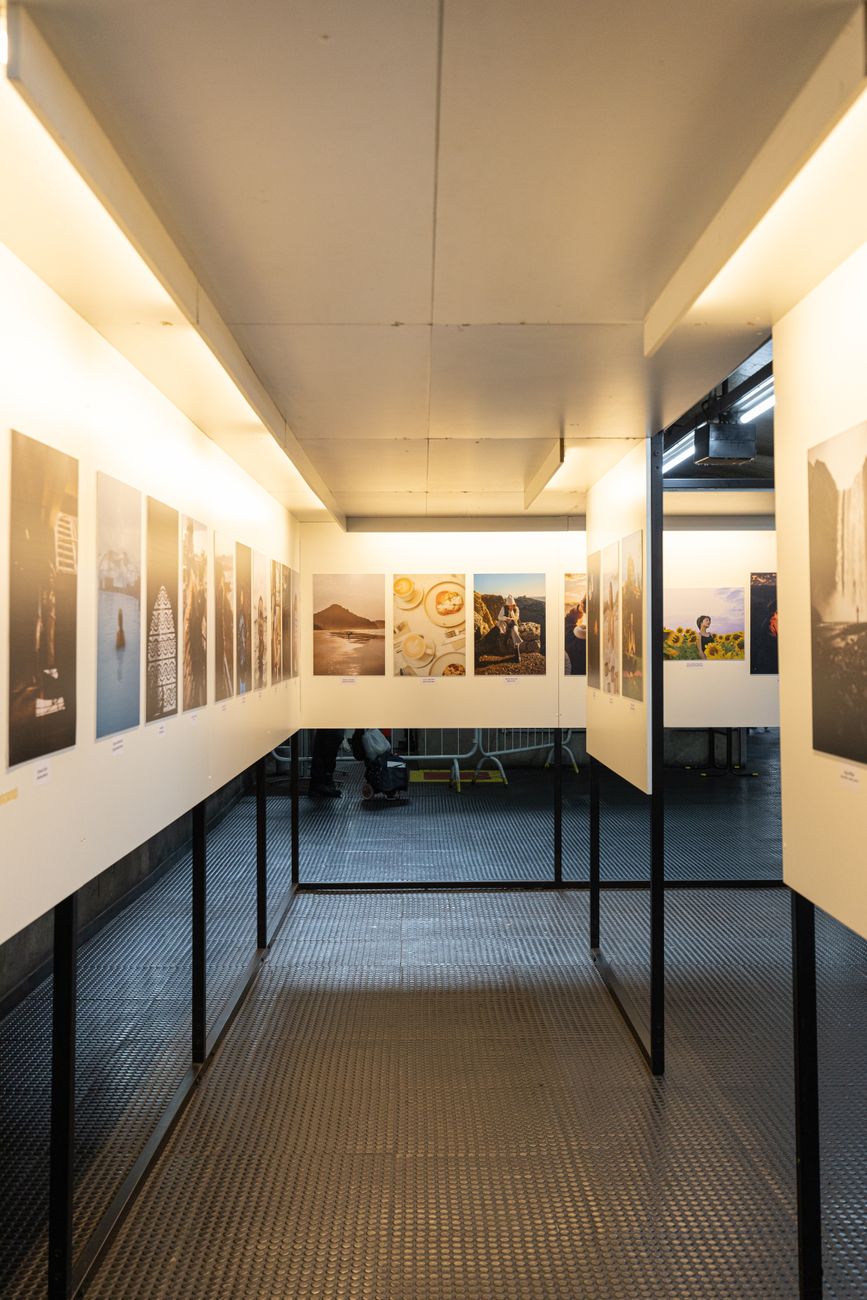
- Exhibition Strategy: Coordinated solo and group shows across three continents
A particularly successful example was the "Transatlantic Dialogues" exhibition series, which paired diaspora artists with contemporaries from the African continent, creating conversations about shared heritage and divergent experiences. This series alone attracted 45,000 visitors across three venues and generated $850,000 in sales.
Results with Specific Metrics
The initiative produced measurable outcomes across artistic, commercial, and cultural dimensions:
Artistic Recognition Metrics
| Metric | Baseline (2021) | Result (2023) | Change |
|---|---|---|---|
| Museum Acquisitions | 3 institutions | 15 institutions | +400% |
| International Biennale Invitations | 4 artists | 18 artists | +350% |
| Major Gallery Representation | 8 artists | 22 artists | +175% |
| Critical Reviews in Major Publications | 12 articles | 67 articles | +458% |
Commercial Success Metrics
| Metric | Baseline Average | Result Average | Change |
|---|---|---|---|
| Auction Price per Work | $8,500 | $38,250 | +350% |
| Gallery Sales per Artist | $42,000 | $189,000 | +350% |
| Commission Value | $15,000 | $75,000 | +400% |
| Secondary Market Activity | 12% of artists | 68% of artists | +467% |
Cultural Impact Metrics
- Educational Reach: The associated lecture series reached 15,000 students across 45 educational institutions
- Digital Engagement: Online exhibitions generated 2.3 million unique views, with an average engagement time of 8.5 minutes
- Publication Impact: Three academic journals dedicated special issues to the project's findings
- Community Development: Established mentorship programs benefiting 120 emerging artists
One standout success story is artist Amara Diallo, whose mixed-media installations exploring West African textile traditions through contemporary lens saw her auction prices increase from $12,000 to $145,000 within 18 months. Her work was acquired by both the Tate Modern and the Smithsonian, representing a breakthrough in institutional recognition for diaspora artists working with traditional craft techniques.
Key Takeaways
-
Cultural Heritage as Competitive Advantage: When properly contextualized, cultural heritage provides diaspora artists with unique narratives that resonate with increasingly sophisticated collectors seeking meaningful acquisitions. This approach transforms what might be perceived as "niche" into distinctive market positioning.
-
Comprehensive Documentation Drives Value: The meticulous documentation of artistic processes, cultural references, and personal narratives increased perceived value by an average of 40% compared to similar works without such documentation.
-
Cross-Disciplinary Connections Enhance Visibility: Artists who engaged with multiple mediums, particularly those exploring new frontiers like digital art, achieved faster recognition. Our research on Digital Art Pioneers: How Technology is Transforming Artistic Expression reveals similar patterns across contemporary practice.
-
Strategic Grouping Creates Momentum: Curating artists in thematic groups (such as those exploring similar heritage themes or technical approaches) created collective momentum that benefited all participants, with group exhibitions generating 65% more media coverage than solo shows.
-
Long-Term Relationship Building Over Transactional Sales: The most successful outcomes emerged from cultivating ongoing relationships with institutions and collectors, rather than focusing on individual sales. This approach mirrors strategies employed by Sculpture Innovators: Artists Redefining Three-Dimensional Art Forms, who similarly benefit from sustained institutional engagement.
About FineArtsNews
FineArtsNews is the premier online destination for comprehensive coverage of the global fine arts landscape. Since our founding, we have established ourselves as an authoritative voice in art journalism, providing timely news, expert analysis, and in-depth features that serve art enthusiasts, professionals, collectors, and academics worldwide. Our commitment to elevating underrepresented voices in the art world continues through initiatives like the Diaspora Artists Project, which aligns with our mission to provide complete coverage of the contemporary art ecosystem.
Our platform regularly features emerging talents, including those highlighted in our annual survey of Rising Stars: 10 Emerging Contemporary Artists to Watch in 2024, ensuring our audience remains at the forefront of artistic discovery. Through rigorous journalism and thoughtful curation, FineArtsNews bridges the gap between artistic creation and global appreciation, fostering deeper understanding of the cultural forces shaping our visual world.