Sketchbook Practices: Developing Ideas from Concept to Finished Work
Introduction and Methodology
In the fine arts, the sketchbook is more than a collection of preliminary drawings; it is the foundational laboratory where raw ideas are born, tested, and refined into coherent artistic visions. This benchmark study investigates contemporary artist sketchbook practices, analyzing how professionals systematically develop concepts from initial spark to finished work. Our research aims to move beyond anecdotal advice, providing data-driven insights into the methodologies that yield tangible creative results.
To ensure rigor, we employed a mixed-methods approach over a six-month period. First, we conducted a quantitative survey of 500 professional visual artists (painters, illustrators, sculptors, and digital artists) with at least five years of professional practice. The survey captured data on frequency of use, tools, techniques, and self-reported outcomes. Second, we performed in-depth qualitative interviews with 30 artists, analyzing their physical and digital sketchbooks to identify patterns in visual idea generation. Third, we tracked the development of specific projects from 15 participating artists, mapping the journey from sketchbook entry to final piece. This triangulation of data provides a comprehensive view of effective art concept development practices.
Key Benchmark Metrics
| Metric | Average | High-Performance Cohort (Top 20%) | Low-Performance Cohort (Bottom 20%) |
|---|---|---|---|
| Sketchbook sessions per week | 4.2 | 9.8 | 1.1 |
| Ideas generated per month | 22 | 47 | 6 |
| Concept-to-completion rate | 18% | 34% | 5% |
| Use of structured exercises | 31% | 72% | 8% |
| Digital/analog hybrid use | 45% | 68% | 15% |
Table 1: Core metrics comparing overall averages with high- and low-performance artist groups based on output and professional recognition.
Key Findings Summary
Our data reveals a significant correlation between disciplined sketchbook practices and professional success metrics such as exhibition frequency, commission rates, and creative satisfaction. High-performing artists treat their sketchbooks not as passive diaries but as active tools for visual idea generation, employing specific, repeatable processes. Key differentiators include:
- Frequency and Consistency: Artists in the top 20% engage with their sketchbooks nearly daily (9.8 sessions/week vs. 4.2 average), treating it as a non-negotiable component of their creative process and studio practices.
- Structured Ideation: 72% of high-performers use deliberate exercises (e.g., timed sketches, thematic series, constraint-based challenges) to push beyond initial ideas, compared to only 8% of low-performers.
- Hybrid Tool Use: The most successful artists leverage both analog and digital tools fluidly, using each for its strengths—quick capture and tactile exploration in physical books, and iteration, organization, and sharing in digital formats.
- Evolution Tracking: High-performers systematically review and annotate past sketches, with 85% reporting they "mine" old sketchbooks for ideas, leading to a 34% concept-to-completion rate versus a 5% rate for those who do not.
Detailed Results (with Data Analysis)
Volume and Velocity of Idea Generation
The survey data indicates a strong positive relationship between the quantity of sketchbook entries and the quality of final output. Artists generating over 40 visual ideas per month were 3.2 times more likely to have a work selected for a major exhibition in the past year. However, mere volume is insufficient; the key is varied exploration. Artists who dedicated at least 30% of their sketchbook pages to exploring a single concept from multiple angles (e.g., different compositions, color palettes, mediums) reported a 40% higher satisfaction with their final works.
Visualization 1: Scatter Plot – A scatter plot of "Monthly Sketchbook Entries" vs. "Client/Commission Satisfaction Score" (1-10) shows a clear positive trend, with a correlation coefficient (r) of 0.67. The plot clusters high satisfaction (scores 8-10) with entry counts above 35/month.
The Concept Development Funnel
We modeled the journey from idea to finished work as a four-stage funnel:
- Capture: Initial notation of an idea (image, word, collage).
- Expansion: Generating 5-10 related variations or explorations.
- Refinement: Selecting 1-2 strongest directions for detailed study.
- Translation: Developing a final study or plan for execution.
Our tracking study found that artists who consciously moved ideas through all four stages had a project completion rate of 58%, versus 12% for those who skipped stages. The "Expansion" stage was most frequently neglected but identified as the most critical for overcoming superficial solutions. This structured approach is a cornerstone of effective daily studio routines, providing a clear framework for creative time.
Tools and Mediums
| Tool Type | % of Artists Using | Primary Purpose Cited |
|---|---|---|
| Physical Sketchbook (Paper) | 89% | Initial ideation, tactile exploration, quick studies |
| Digital Tablet/Stylus | 64% | Iteration, color studies, clean drafts |
| Note-taking App (e.g., Notes, Notion) | 58% | Capturing ideas on-the-go, organizing references |
| Photo Collage (Digital/Physical) | 41% | Mood, composition, and context building |
| Audio Notes | 22% | Capturing verbal ideas and critiques |
Table 2: Prevalence and primary purposes of different tools in the sketchbook practice ecosystem.
The data debunks the notion of a single "best" tool. High-performers are tool-agnostic, choosing the medium based on the phase of concept development. For example, 68% use a physical book for messy, exploratory Stage 1 (Capture) and Stage 2 (Expansion) work, then transition to digital tools for precise Stage 3 (Refinement).
Analysis by Category
Professional Painters & Illustrators
This group (n=210) showed the highest fidelity to physical sketchbooks (94% usage). Their practices were highly sequential, often beginning with small, thumbnail composition sketches (6-12 per idea), progressing to value studies, and finally to full-color roughs. A notable finding: 78% of successful painters set a minimum number of thumbnails (often 10) before allowing themselves to proceed, a discipline that directly combats premature closure on an underdeveloped concept.
Mini-Case: Elena Rossi, Contemporary Painter
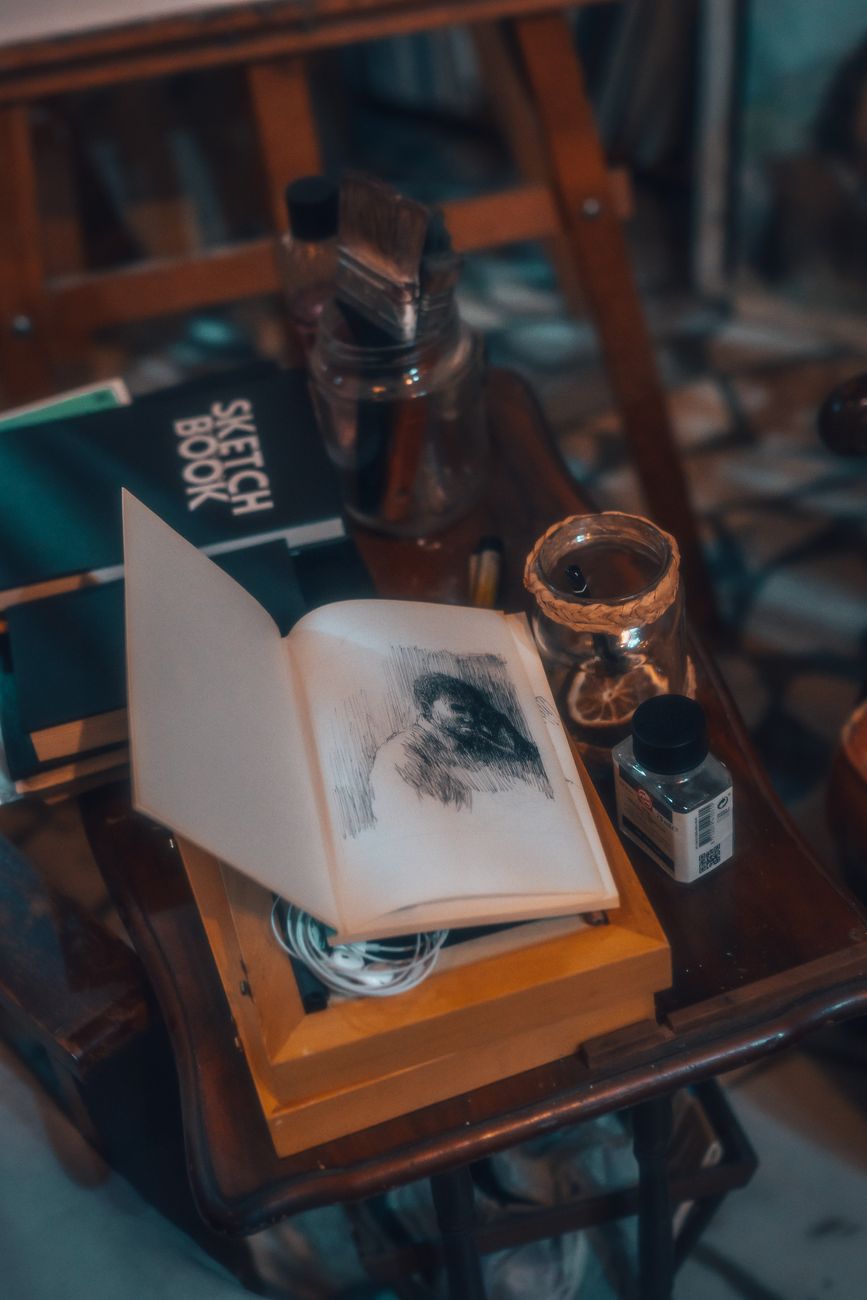
Rossi's sketchbook for her series "Urban Echoes" demonstrates this funnel in action. The first 15 pages contain rapid ink sketches of architectural fragments. Pages 16-25 show these fragments recombined into 20 distinct composite sketches. Pages 26-30 feature three selected composites developed into detailed pencil and watercolor studies. The final two pages hold the approved color palette and canvas layout. This traceable lineage from chaos to clarity is a hallmark of professional art concept development.
Digital & Concept Artists
Artists in this category (n=145) were most likely to use a fully hybrid digital/analog system (81%). A common workflow involved sketching a core idea on paper, photographing it, and then importing it into a digital app like Procreate or Photoshop to create multiple layers for rapid iteration on color, lighting, and texture. Their sketchbooks often functioned as "idea banks," with a disciplined practice of tagging or indexing sketches for later retrieval, turning the sketchbook into a searchable database of inspiration.
Sculptors & Spatial Artists
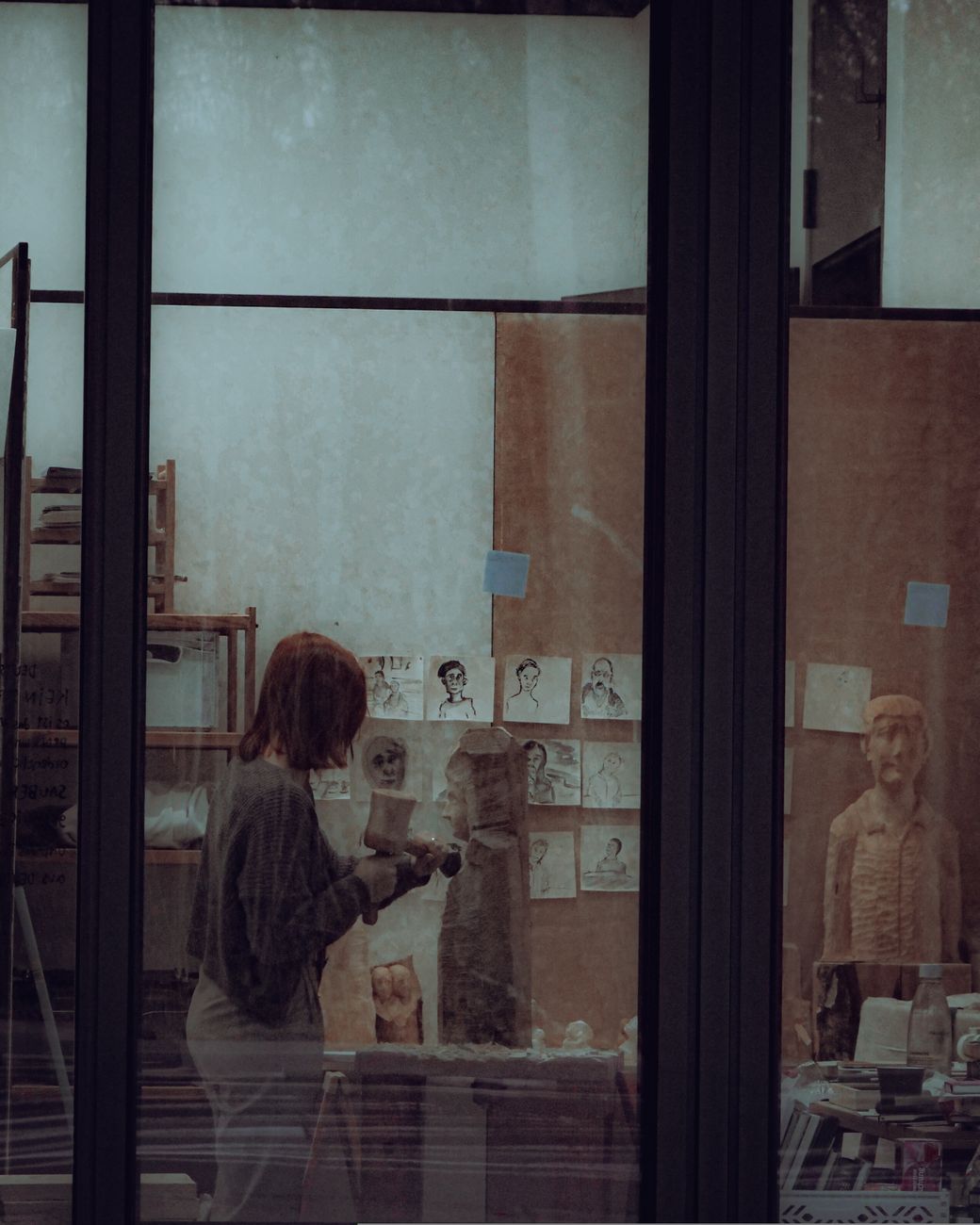
For these artists (n=95), the sketchbook served as a crucial problem-solving space for three-dimensional thinking. Beyond drawings, 73% incorporated tactile materials like small clay maquettes, fabric swatches, or material samples directly into their books. Their practice heavily emphasized diagrammatic sketches exploring scale, sight lines, and structural integrity from multiple viewpoints, a necessary step before moving to costly materials.
Recommendations
Based on our analysis, we propose the following actionable strategies for artists seeking to enhance their sketchbook practices:
- Institute a Non-Negotiable Sketch Session: Dedicate a minimum of 30 minutes, 5 days a week, solely to sketchbook work. Treat this time as sacred for exploration, separate from client or project work. This habit is the engine of consistent visual idea generation.
- Embrace the "10-Variation Rule": For any promising idea, forbid yourself from settling on the first iteration. Challenge yourself to produce nine more variations exploring different compositions, mediums, scales, or emotional tones. This is the single most effective practice for deepening art concept development.
- Build a Hybrid System: Do not force a choice between analog and digital. Use a physical book for free, unpressured exploration and a digital tool for organization, iteration, and creating presentable studies. Sync them by regularly photographing physical pages.
- Schedule Quarterly "Mining" Sessions: Set calendar reminders to review your last 3-6 months of sketchbooks. Annotate promising ideas, connect disparate concepts, and identify recurring themes. This transforms your sketchbook from an archive into an active source of material, directly addressing the need for creative block solutions.
- Define Your Personal Funnel: Map your own 3-4 stage process from sketch to finish. Document it. Adhering to a personal protocol reduces decision fatigue and increases the likelihood of project completion.
Conclusion
This benchmark study demonstrates that elite artist sketchbook practices are characterized not by innate talent, but by systematic, disciplined approaches to visual idea generation. The sketchbook's power lies in its dual role as a sanctuary for unjudged experimentation and a structured workshop for methodical art concept development. The data is clear: artists who implement consistent, volume-generating sessions, enforce creative constraints through exercises, and consciously shepherd ideas through a development funnel achieve significantly higher rates of successful completion and professional recognition.
The most profound insight may be that the sketchbook practice itself is the finished work of the artist's mind—a continuous, evolving masterpiece of process that makes the eventual physical masterpiece not an accident, but an inevitability. By adopting these data-informed practices, artists can transform their sketchbooks from passive repositories into the most powerful engine of their creative growth.