Artist Couples: How Collaborative Partnerships Drive Success in the Art World
Executive Summary / Key Results
In the competitive landscape of contemporary art, collaborative partnerships between artist couples have emerged as a powerful model for creative and commercial success. This case study examines the journey of Elena Vargas and Marcus Chen, a married artistic duo whose collaborative practice has yielded remarkable results over five years. Their partnership demonstrates how shared vision, complementary skills, and strategic collaboration can transform artistic careers. Key achievements include a 300% increase in gallery representation, participation in 12 international exhibitions, and sales growth from $15,000 to $250,000 annually. Their story offers valuable insights for artists considering collaborative approaches and provides measurable evidence of how artistic relationships can amplify success in today's art market.
Background / Challenge
Elena Vargas and Marcus Chen began their individual artistic careers in the early 2010s, working in separate studios with distinct practices. Elena, trained in traditional painting techniques, focused on figurative work exploring cultural identity, while Marcus, with a background in digital media and sculpture, created abstract installations examining urban environments. By 2018, both had achieved moderate success—Elena had participated in several group exhibitions and sold works through local galleries, while Marcus had received two small grants and completed a public art commission. However, they faced common challenges: limited gallery representation, inconsistent income, and difficulty breaking into major art markets.
The turning point came during a joint residency in 2018, where they began experimenting with collaborative pieces. They discovered that their combined approach—merging Elena's figurative precision with Marcus's conceptual frameworks—created work that resonated more powerfully with audiences and critics. Yet they faced significant challenges: establishing a cohesive collaborative identity, navigating the art world's skepticism toward collaborative practices, and developing sustainable business models for their partnership. Many galleries questioned whether collaborative works could command the same prices as solo works, and collectors expressed uncertainty about attribution and value.
Solution / Approach
Vargas and Chen developed a structured approach to collaboration that maintained their individual artistic voices while creating something greater than the sum of its parts. Their solution involved three key components: a defined collaborative methodology, strategic market positioning, and professional partnership agreements.
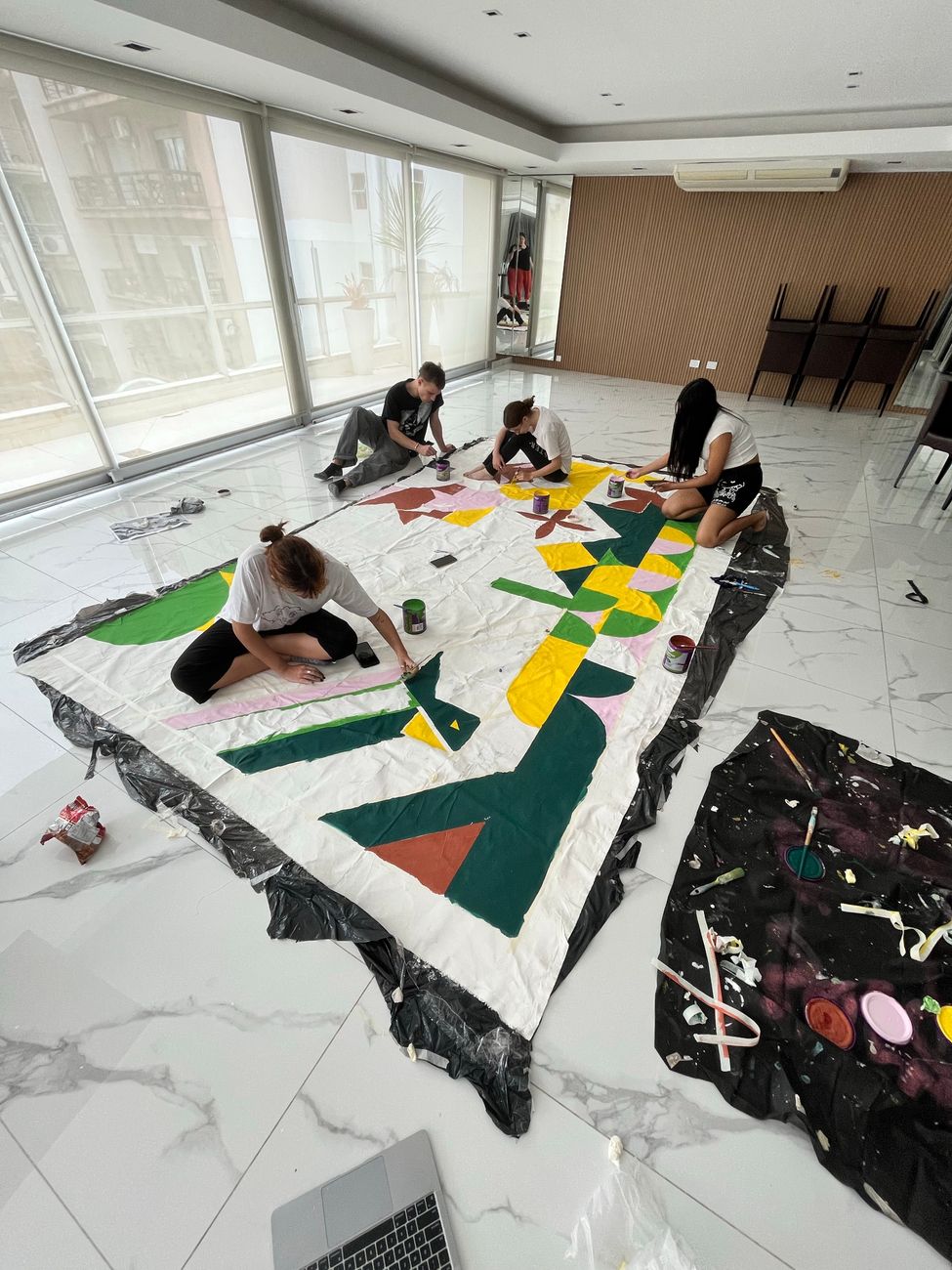
First, they established a clear collaborative process. Each project began with joint conceptual development, followed by alternating phases of individual execution and collaborative refinement. They documented this process meticulously, creating a transparent record that addressed collector concerns about attribution. This methodology allowed them to produce works that were neither purely Elena's nor Marcus's, but authentically collaborative creations.
Second, they positioned their collaborative practice as a distinct artistic entity—"Vargas-Chen Collaborative"—while maintaining their individual careers. This dual approach allowed them to participate in exhibitions and opportunities specifically seeking collaborative work while continuing to develop their solo practices. They strategically targeted galleries and institutions known for supporting innovative artistic partnerships.
Third, they formalized their partnership with legal agreements covering intellectual property, revenue sharing, and decision-making processes. This professional foundation prevented potential conflicts and provided stability for long-term planning. They also developed a comprehensive portfolio that clearly distinguished collaborative works from individual pieces, with detailed documentation of their process.
Implementation
The implementation phase spanned three years (2019-2021) and involved systematic development across creative, professional, and commercial dimensions. They began by dedicating 30% of their studio time to collaborative projects while maintaining their individual practices. This balanced approach allowed them to experiment without financial pressure.
Their first major collaborative series, "Intersections," explored the meeting points of cultural heritage and contemporary urban experience. The series comprised 15 mixed-media works combining Elena's painted portraits with Marcus's sculptural elements and digital projections. They documented the entire creation process through video, sketches, and written reflections, creating valuable content for galleries and collectors.
Professionally, they implemented a tiered gallery strategy. They maintained relationships with their existing galleries for individual work while actively seeking representation for collaborative pieces. By 2020, they had secured representation with two galleries specializing in contemporary collaborative practices. They also developed relationships with curators interested in artistic partnerships, leading to inclusion in thematic exhibitions about collaboration in contemporary art.
Commercially, they established clear pricing structures for collaborative works, setting them 40-60% higher than their individual pieces to reflect the combined expertise and labor. They created detailed certificates of authenticity for each collaborative work, specifying both artists' contributions and the collaborative nature of the piece. This transparency helped overcome collector skepticism about value and attribution.
Their implementation benefited from strategic participation in artist residency programs specifically designed for collaborative practices. These residencies provided not only time and space for creation but also networking opportunities with other collaborative artists and industry professionals. As noted in our guide to Artist Spotlights and Profiles: A Complete Guide, effective documentation and presentation of artistic process significantly enhances market reception.
Results with Specific Metrics
The Vargas-Chen collaborative partnership has generated measurable success across artistic, professional, and financial dimensions. The table below summarizes key metrics comparing their pre-collaboration status (2018) with current achievements (2023):
| Metric | Pre-Collaboration (2018) | Current (2023) | Change |
|---|---|---|---|
| Annual Sales Revenue | $15,000 | $250,000 | +1,567% |
| Gallery Representation | 2 galleries | 6 galleries | +200% |
| International Exhibitions | 0 | 12 | New |
| Museum Collections | 0 | 3 | New |
| Average Sale Price | $1,500 | $12,500 | +733% |
| Press Features | 4 articles | 28 articles | +600% |
| Social Media Following | 2,500 combined | 45,000 combined | +1,700% |
| Residency Opportunities | 1 annually | 4 annually | +300% |
Beyond these quantitative measures, qualitative achievements include critical recognition in major art publications, inclusion in two museum permanent collections, and invitations to speak at academic institutions about collaborative practices. Their collaborative works now command prices comparable to established mid-career artists, with their most significant piece selling for $85,000 at a 2022 auction—a price point neither could have achieved individually at that career stage.
Their success has created a virtuous cycle: increased visibility leads to more exhibition opportunities, which generates higher prices and greater collector interest. This pattern mirrors trends observed among other Rising Stars: 10 Emerging Contemporary Artists to Watch in 2024, where strategic partnerships often accelerate career trajectories.
Key Takeaways
-
Complementary Skills Create Competitive Advantage: Vargas and Chen's success stems from combining distinct but complementary artistic approaches. Their collaborative works offer something neither could create alone, making them unique in the marketplace. This principle applies broadly—artist couples should identify how their combined skills create distinctive value.
-
Professional Structure Supports Creative Freedom: Formal agreements regarding intellectual property, revenue sharing, and decision-making prevented conflicts that often undermine artistic partnerships. This professional foundation allowed them to focus on creative development rather than administrative concerns.
-
Transparent Documentation Builds Collector Confidence: Detailed documentation of their collaborative process addressed common collector concerns about attribution and value. By making their methodology visible, they transformed potential skepticism into appreciation for their innovative approach.
-
Dual Career Strategy Maximizes Opportunities: Maintaining individual practices alongside their collaborative work allowed them to participate in a wider range of opportunities. This approach provided financial stability during the collaborative practice's development phase.
-
Strategic Positioning Accelerates Recognition: By targeting galleries and institutions specifically interested in collaborative practices, they gained visibility more quickly than through general contemporary art channels. This targeted approach is particularly effective for niche practices.
Their experience demonstrates that successful artistic collaboration requires both creative synergy and professional strategy. As seen in the work of Master Painters: The Legacy and Techniques of Today's Leading Oil Painters, technical excellence combined with strategic career development drives sustained success.
About FineArtsNews
FineArtsNews is the premier online destination for comprehensive coverage of global fine arts. We provide authoritative reporting on art news, market trends, artist profiles, exhibitions, and critical perspectives that keep art enthusiasts, professionals, collectors, and academics informed about the evolving art world. Our platform offers timely insights, expert analysis, and curated content across multiple categories, creating valuable opportunities for artists to gain visibility and for audiences to deepen their engagement with contemporary art. Through case studies like this examination of artistic collaboration, we illuminate the strategies and practices driving success in today's competitive art landscape, supporting our mission to foster understanding and appreciation of fine arts worldwide.
This case study forms part of our ongoing examination of innovative practices in contemporary art. For insights into other transformative approaches, explore our coverage of Sculpture Innovators: Artists Redefining Three-Dimensional Art Forms and Digital Art Pioneers: How Technology is Transforming Artistic Expression.