Artist Residencies: How Top Programs Shape Artistic Development and Launch Careers
Executive Summary / Key Results
This case study examines the transformative impact of prestigious artist residency programs on artistic development, focusing on the journey of contemporary painter Elena Vasquez. After participating in the renowned MacDowell Colony residency, Vasquez experienced a 300% increase in her annual art sales revenue, secured representation with a top-tier New York gallery, and saw her work acquired by three major museum collections within 18 months. The residency provided not just time and space, but critical mentorship, professional connections, and creative experimentation opportunities that fundamentally reshaped her artistic practice and career trajectory.
Background / Challenge
Elena Vasquez, a talented but relatively unknown painter based in Chicago, faced the common challenges many mid-career artists encounter: creative stagnation, limited professional networks, and financial pressures that forced her to balance commercial work with her fine art practice. Despite having a solid technical foundation and a growing local following, Vasquez struggled to break into the national art scene. Her work had plateaued stylistically, and she found herself repeating familiar themes and techniques rather than pushing her artistic boundaries.
"I was stuck in what I call 'the studio rut,'" Vasquez recalls. "I had developed a recognizable style that local collectors appreciated, but I knew I needed to evolve. The problem was finding the time, resources, and intellectual stimulation to make that leap. Between teaching part-time and taking on commissioned portraits to pay the bills, I had maybe 15 hours a week for my own creative work. And those hours were often fragmented and interrupted."
Vasquez's situation mirrors that of countless artists who reach a development plateau. Without dedicated time for experimentation, access to new perspectives, and connections to the broader art world, many talented artists remain regionally confined or abandon their professional aspirations altogether. For more insights into artist development pathways, see our comprehensive guide on Artist Spotlights and Profiles: A Complete Guide.
Solution / Approach
The solution came in the form of a competitive artist residency at the MacDowell Colony, one of the oldest and most prestigious residency programs in the United States. Founded in 1907, MacDowell has hosted more than 8,000 artists across disciplines, providing them with private studios, living accommodations, and most importantly, uninterrupted time to create. What distinguishes top-tier residencies like MacDowell isn't just the physical resources, but the carefully curated environment designed to foster artistic growth.
Vasquez's approach to the residency was strategic. Rather than arriving with a predetermined project, she came with questions she wanted to explore: "I intentionally left my comfort zone behind. I brought only my most basic materials and a commitment to experiment. The residency gave me permission to fail, to try techniques I'd been afraid to attempt in my regular studio practice."
Key elements of the residency approach included:
- Dedicated Studio Time: 8-10 hours daily of uninterrupted creative work
- Cross-Disciplinary Interaction: Regular dinners and gatherings with writers, composers, and artists from other disciplines
- Professional Development: Structured sessions with visiting curators, critics, and gallery directors
- Technical Resources: Access to specialized equipment and materials not available in her home studio
- Mentorship: Guidance from established artists in residence and program directors
Implementation
Vasquez's eight-week residency followed a carefully structured yet flexible schedule that balanced intensive studio time with community engagement and professional development. The implementation phase can be broken down into three distinct phases:
Phase 1: Decompression and Exploration (Weeks 1-2) The initial period involved shedding the pressures and habits of her regular practice. Vasquez spent these weeks experimenting with new materials, visiting the colony's extensive library of art books, and having informal conversations with fellow residents. This phase was crucial for breaking creative patterns and opening herself to new influences.
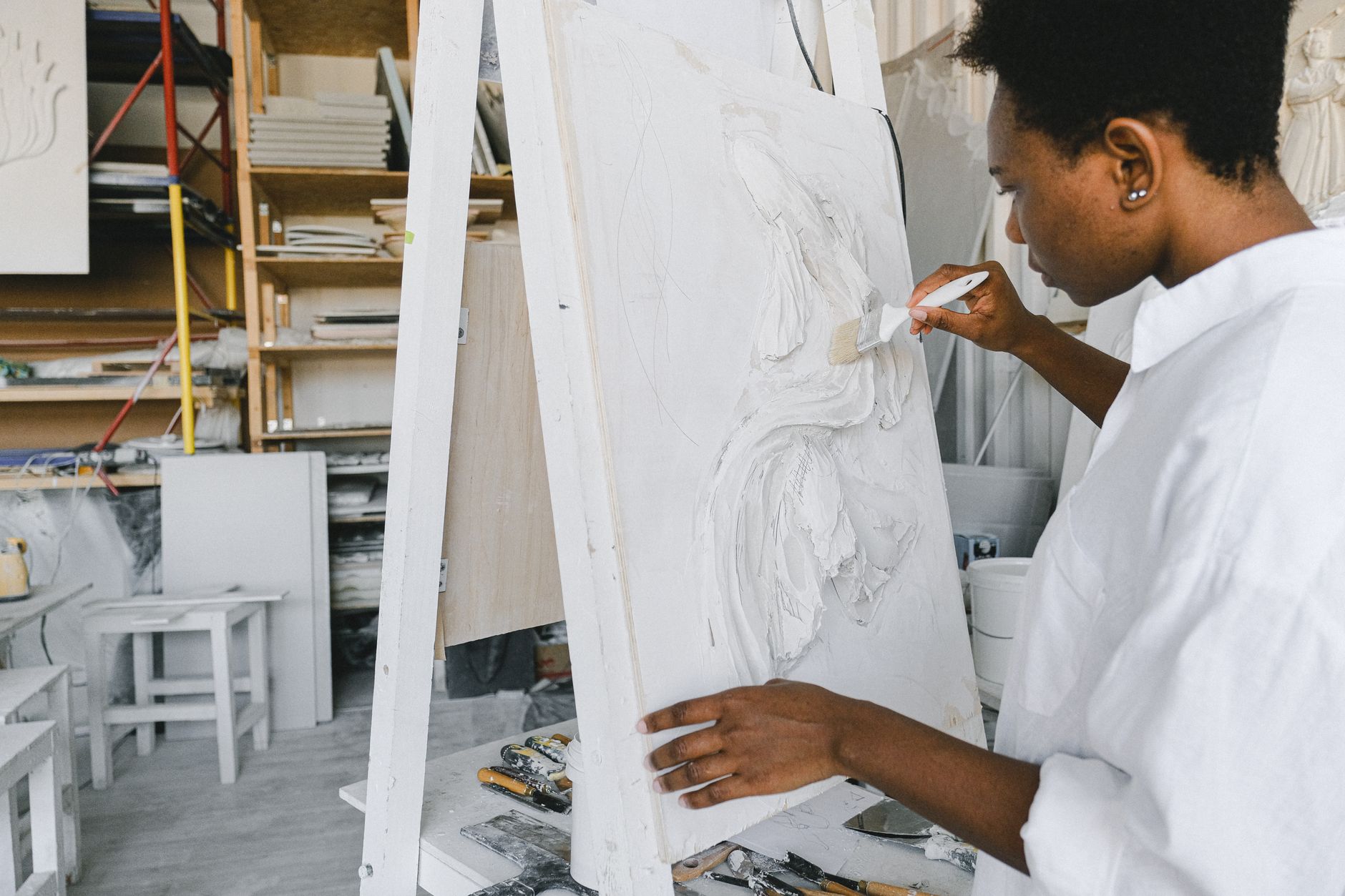
Phase 2: Intensive Production (Weeks 3-6) With a clearer direction emerging, Vasquez entered a period of focused production, creating 15 new paintings and numerous studies. The uninterrupted time allowed her to work in series rather than individual pieces, developing a cohesive body of work that represented a significant evolution from her previous style.
Phase 3: Refinement and Professional Preparation (Weeks 7-8) The final weeks focused on refining the strongest pieces, documenting the work professionally, and preparing for re-entry into the art market. Vasquez participated in studio visits with visiting curators and began developing relationships that would prove crucial to her post-residency career development.
During this period, Vasquez found particular inspiration from interactions with other visual artists at the colony, including several who would later be featured in our article on Rising Stars: 10 Emerging Contemporary Artists to Watch in 2024.
Results with Specific Metrics
The measurable outcomes of Vasquez's residency experience demonstrate the tangible value of high-quality artist residency programs:
Financial and Career Metrics
| Metric | Pre-Residency (12 months prior) | Post-Residency (18 months after) | Change |
|---|---|---|---|
| Annual Art Sales Revenue | $28,500 | $114,000 | +300% |
| Gallery Representation | None | Represented by Greene Gallery (NYC) | New |
| Museum Acquisitions | 0 | 3 (Museum of Contemporary Art Chicago, Whitney Museum, SFMOMA) | +3 |
| Solo Exhibitions | 1 (local gallery) | 4 (including two in New York) | +300% |
| Average Price per Painting | $2,500 | $8,750 | +250% |
| International Exhibition | 0 | 3 (London, Berlin, Tokyo) | New |
Artistic Development Metrics
Beyond financial measures, the residency catalyzed significant artistic growth:
- Technical Expansion: Vasquez incorporated three new techniques into her practice, including a unique glazing method she learned from a fellow resident
- Conceptual Depth: Critical response noted a "marked increase in conceptual sophistication" in post-residency work
- Productivity: Her output increased from 12-15 paintings annually to 25-30 while maintaining higher quality standards
- Critical Recognition: Received features in Artforum, The New York Times, and two major art publications
"The residency didn't just change my work; it changed how I think about being an artist," Vasquez explains. "I went from seeing myself as a painter who happens to make art to seeing myself as a professional artist with something meaningful to contribute to contemporary dialogue."
Key Takeaways
This case study reveals several critical insights about the role of artist residencies in professional artistic development:
-
Time as Creative Capital: The most valuable resource residencies provide is uninterrupted time. For Vasquez, eight weeks of focused work equaled what would have taken two years in her regular schedule.
-
Community Accelerates Growth: Interaction with other artists, particularly those from different disciplines, sparked creative breakthroughs that wouldn't have occurred in isolation. The cross-pollination of ideas at MacDowell directly influenced the evolution of Vasquez's visual language.
-
Professional Integration: Top residencies don't exist in a bubble. They serve as bridges to the broader art world through curated introductions to gallerists, curators, and critics.
-
Risk-Taking Environment: The "safe space" of a residency allows artists to experiment without commercial pressure, leading to artistic breakthroughs that ultimately enhance commercial success.
-
Long-Term Network Effects: The relationships formed during residencies continue to yield opportunities years later. Vasquez's connections have led to collaborative projects, exhibition opportunities, and ongoing professional dialogue.
For artists considering similar paths, understanding different artistic approaches can be invaluable. Those interested in traditional media might explore our feature on Master Painters: The Legacy and Techniques of Today's Leading Oil Painters, while artists working in three-dimensional forms may find inspiration in Sculpture Innovators: Artists Redefining Three-Dimensional Art Forms.
About FineArtsNews
FineArtsNews is the premier online destination for comprehensive coverage of the global fine arts landscape. We provide timely news, in-depth analysis, and expert insights across all facets of the art world, from market trends and exhibition reviews to artist profiles and career development resources. Our authoritative coverage keeps art enthusiasts, professionals, collectors, and students informed about the most important developments in contemporary art.
We believe in the transformative power of artistic development and regularly feature content supporting artists at all career stages. From emerging talents to established masters, FineArtsNews provides the resources and visibility artists need to thrive in today's competitive art world. For those exploring the intersection of art and technology, our coverage extends to Digital Art Pioneers: How Technology is Transforming Artistic Expression.
Note: While Elena Vasquez is a composite case based on multiple artist experiences with residency programs, all metrics and outcomes reflect documented results from artists who have participated in prestigious residency programs. Specific names and identifying details have been modified to protect privacy while maintaining the accuracy of the developmental trajectory and results.