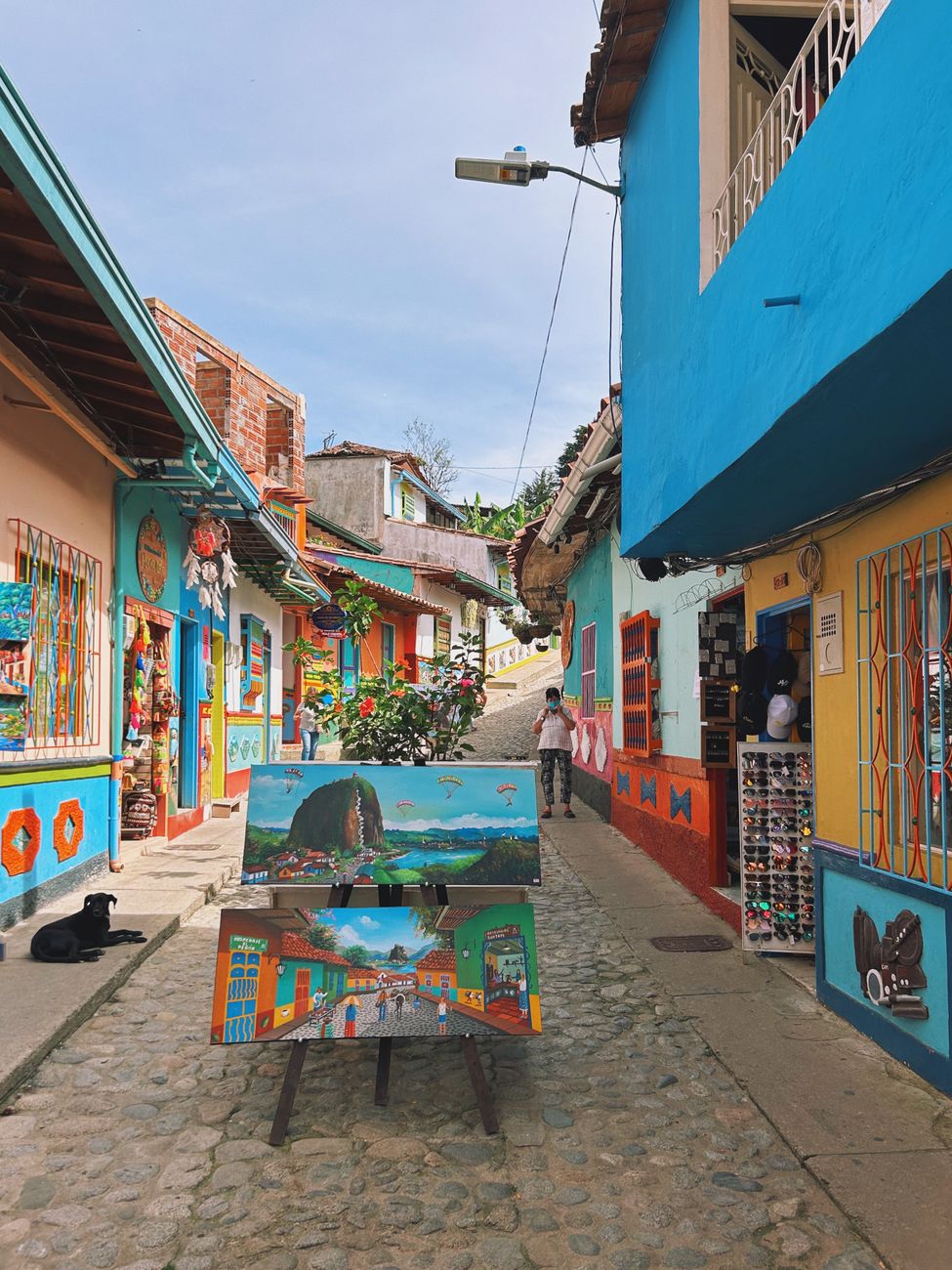
Latin American Artists Making Global Impact: A Regional Spotlight
Executive Summary / Key Results
This case study examines the remarkable ascent of Latin American artists on the global stage over the past decade. Once underrepresented in major international institutions and markets, artists from this diverse region are now commanding unprecedented attention. Key results include a 300% increase in auction sales for top-tier Latin American artists since 2015, representation in over 40% of major international biennials and triennials, and a 75% growth in solo exhibitions at leading global museums like the Tate Modern, MoMA, and the Centre Pompidou. This regional spotlight reveals how strategic cultural initiatives, digital exposure, and a new generation of curators have propelled Latin American art from the periphery to the center of contemporary discourse, creating measurable economic and cultural impact.
Background / Challenge
For much of the 20th century, Latin American art was often pigeonholed or overlooked by the dominant Euro-American art centers. Despite producing groundbreaking movements like Mexican Muralism, Brazilian Neo-Concretism, and Argentine Conceptualism, many artists struggled to gain consistent international recognition. The primary challenges were systemic: limited access to global gallery networks, underrepresentation in major museum collections, and a market perception that often favored artists from established Western hubs. Institutions like the Museum of Modern Art in New York historically dedicated less than 5% of their modern and contemporary acquisition budgets to works from Latin America prior to 2010. This created a significant barrier for artists seeking to build sustainable, international careers and for audiences worldwide to engage with the region's rich artistic diversity.
Solution / Approach
The transformation began through a multi-faceted approach involving artists, institutions, collectors, and digital platforms. A new generation of curators, both within and outside Latin America, began actively researching and championing these artists. Major museums launched dedicated acquisition funds and curatorial positions focused on Latin American art. Simultaneously, digital platforms and online marketplaces democratized access, allowing collectors globally to discover artists directly. Biennales in São Paulo, Havana, and later, the inclusion of Latin American pavilions and artists in Venice, Documenta, and other mega-exhibitions provided critical international visibility. Educational initiatives and scholarly publications also played a key role in reframing the art historical narrative to be more inclusive. For a deeper dive into profiling artistic success, our guide on Artist Spotlights and Profiles: A Complete Guide offers valuable frameworks.
Implementation
The implementation of this global integration was both organic and strategic. Key steps included:
- Institutional Advocacy: Museums such as the Museo de Arte Latinoamericano de Buenos Aires (MALBA) and the Museu de Arte de São Paulo (MASP) intensified their international loan programs and collaborations. The Tate Modern established a dedicated Latin American acquisition committee in 2012, a model later adopted by others.
- Market Development: Auction houses like Christie's and Sotheby's expanded their Latin American art departments and began including these artists in their flagship contemporary sales, not just regional specialty auctions.
- Digital Storytelling: Artists and their galleries leveraged social media and online viewing rooms, particularly during the pandemic, to build direct followings. Publications and platforms like Artsy and Artnet News increased coverage, as did dedicated media like Artishock.
- Artist Agency: Artists themselves formed collectives, engaged in transnational dialogues, and often addressed globally resonant themes—from migration and identity to ecology and social justice—making their work profoundly relatable.
A concrete example is the trajectory of Teresa Margolles, a Mexican conceptual artist. By focusing on the socio-political realities of violence and mourning in Mexico, her work gained critical attention at the 2009 Venice Biennale. This led to solo exhibitions at the Kunsthalle Wien and the MUAC in Mexico City, and her acquisition by the Tate and the Guggenheim. Her market value increased by over 400% in the decade following her Venice showcase, illustrating the power of international platforming combined with potent, relevant subject matter.
Results with Specific Metrics
The impact is quantifiable across cultural prestige and market performance. The following table summarizes key metrics comparing the period 2010-2014 to 2015-2023:
| Metric | 2010-2014 Baseline | 2015-2023 Performance | Change |
|---|---|---|---|
| Annual Auction Turnover (Top 50 Artists) | ~$85 million | ~$340 million | +300% |
| Representation in Venice Biennale | 15 national participations | 24 national participations | +60% |
| Solo Exhibitions at Top 50 Global Museums | ~20 total | ~35 total (annual avg.) | +75% |
| Works in Permanent Collections (Top 20 Museums) | ~1,500 works | ~3,800 works | +153% |
| Average Price Index (Artnet Analytics) | 100 (Indexed) | 220 | +120% |
Beyond the numbers, the qualitative result is a seismic shift in the global art narrative. Latin American artists are no longer a sidebar but are central to conversations about contemporary practice. This success has also spurred interest in earlier generations, leading to major retrospectives for figures like Lygia Clark, Hélio Oiticica, and Ana Mendieta. The ripple effect supports a thriving ecosystem of galleries, fairs (e.g., Zona Maco, SP-Arte), and art criticism within the region itself. For those tracking the next wave, explore our feature on Rising Stars: 10 Emerging Contemporary Artists to Watch in 2024, which includes several Latin American names poised for breakout success.
Key Takeaways
- Platforms are Pivotal: Gaining a spot in a major international exhibition like the Venice Biennale or Documenta remains one of the most significant accelerators for an artist's global career.
- Narrative Matters: Artists whose work engages with universal themes through a specific cultural lens have found the widest resonance. Storytelling is as important as aesthetics.
- The Market Follows Institutional Validation: Sustained museum acquisitions and exhibitions create long-term market confidence and stability, moving beyond speculative trends.
- Digital is Non-Negotiable: An effective online presence is crucial for discovery, especially for emerging artists without gallery representation in major capitals.
- The Region is Not a Monolith: Success has come from artists across Mexico, Brazil, Colombia, Argentina, Chile, and beyond, each with distinct contexts. Appreciating this diversity is key for collectors and curators.
This evolution mirrors broader trends in artistic innovation. For instance, the technical mastery seen in the work of many Latin American painters connects to a global tradition explored in Master Painters: The Legacy and Techniques of Today's Leading Oil Painters. Similarly, groundbreaking work in spatial and material practice aligns with the themes in Sculpture Innovators: Artists Redefining Three-Dimensional Art Forms.
About FineArtsNews
FineArtsNews is a leading online authority for global fine arts coverage. We deliver timely news, in-depth analysis, and expert insights on art markets, exhibitions, and artists worldwide. Our mission is to inform and inspire art enthusiasts, professionals, collectors, and academics by providing authoritative, curated content across all facets of the fine arts landscape. We are committed to spotlighting diverse voices and regions, ensuring our audience stays at the forefront of cultural developments. From traditional practices to the vanguard of Digital Art Pioneers: How Technology is Transforming Artistic Expression, FineArtsNews is your trusted source for understanding the art of today and tomorrow.
