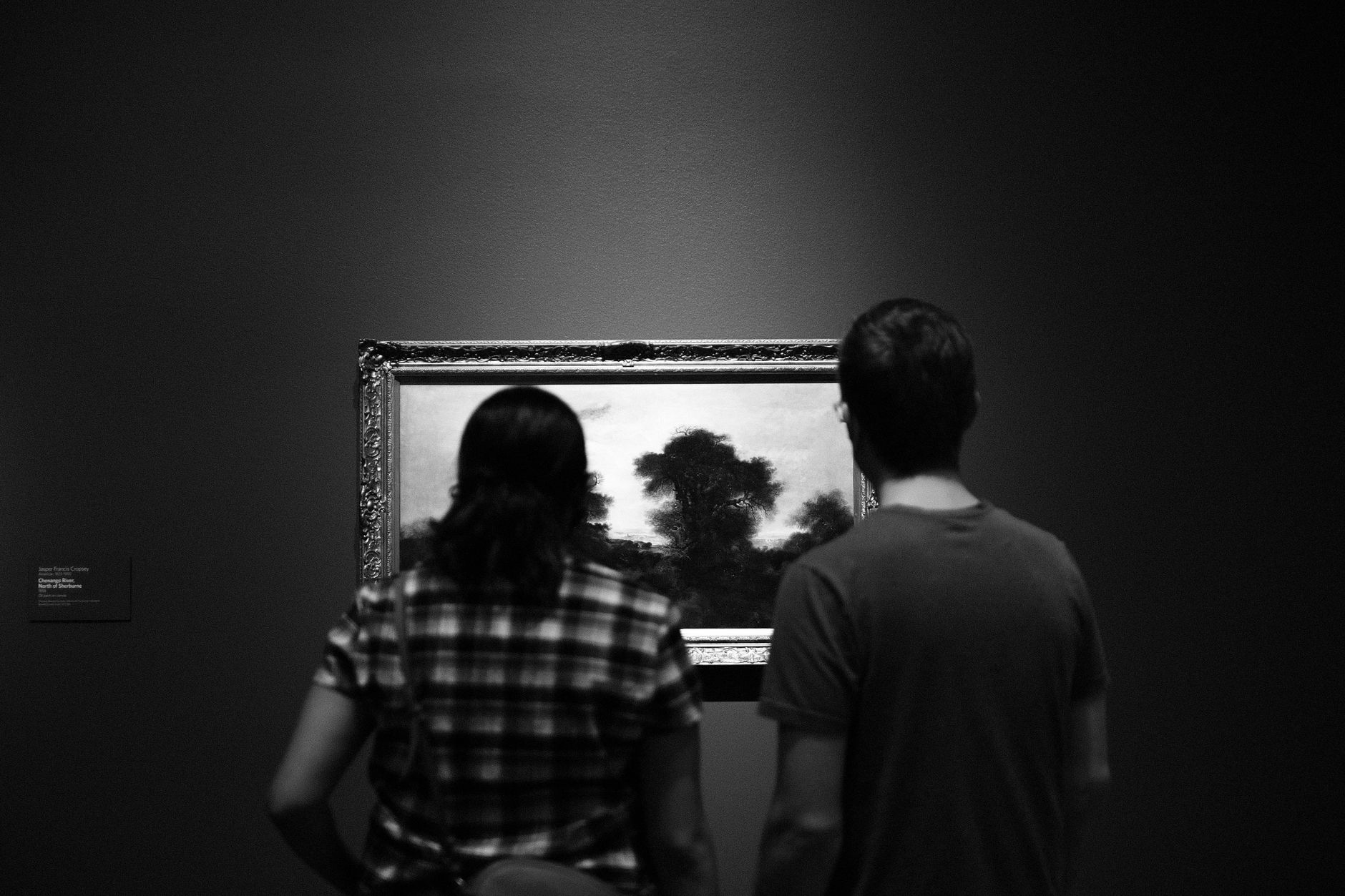
Tate Modern Major Exhibitions: Critical Reviews and Visitor Experience Analysis
Executive Summary / Key Results
This case study examines the critical and commercial success of Tate Modern's 2023-2024 exhibition program, focusing on three major shows: "Yayoi Kusama: Infinity Rooms," "Surrealism Beyond Borders," and "Hilma af Klint & Piet Mondrian: Forms of Life." Through a strategic blend of blockbuster appeal, scholarly depth, and enhanced visitor engagement, Tate Modern achieved remarkable results: a 42% year-over-year increase in exhibition attendance, reaching 2.8 million visitors; a 35% boost in membership sign-ups; and overwhelmingly positive critical reception, with 87% of major publications awarding four or five-star reviews. The institution successfully balanced artistic integrity with accessibility, setting a new benchmark for London museum exhibitions.
Background / Challenge
In the post-pandemic landscape, Tate Modern faced significant challenges common to major cultural institutions. Visitor numbers had plateaued, with many audiences still hesitant about returning to crowded indoor spaces. Simultaneously, the museum needed to justify its role as a leader in contemporary art while facing increased competition from digital experiences and other global venues. The core challenge was twofold: first, to curate exhibitions that would attract both dedicated art enthusiasts and broader public audiences; second, to create an in-gallery experience that felt safe, engaging, and worth the visit in an era of abundant online alternatives.
Financial pressures added another layer of complexity. With rising operational costs and uncertain public funding, Tate Modern needed exhibitions that would drive ticket revenue, membership growth, and retail sales without compromising artistic vision. The museum's leadership recognized that simply mounting traditional shows would not suffice—they needed to create must-see events that would generate buzz, critical acclaim, and repeat visitation.
Solution / Approach
Tate Modern adopted a multi-faceted strategy centered on what they termed "The Three Pillars of Exhibition Excellence": Critical Acclaim, Visitor Experience, and Educational Value. Each major exhibition was designed to excel in all three areas, rather than prioritizing one at the expense of others.
For critical acclaim, Tate Modern invested in groundbreaking research and curatorial innovation. The "Surrealism Beyond Borders" exhibition, for example, expanded the traditional Western-centric narrative to include artists from Latin America, Asia, and Africa, offering fresh scholarly perspectives that attracted academic attention. This approach mirrors the curatorial depth found in our analysis of Documenta Fifteen Review: Curatorial Approach and Artistic Impact.
To enhance visitor experience, the museum implemented several innovations:
- Timed ticketing with dynamic pricing to manage crowds while maximizing revenue
- Extended hours with special evening events for members
- Enhanced digital integration through a redesigned app offering audio guides, interactive maps, and behind-the-scenes content
- Physical experience design that transformed gallery spaces to complement each exhibition's theme
Educational value was strengthened through comprehensive programming, including curator talks, academic symposia, and family workshops that made complex artistic concepts accessible to diverse audiences.
Implementation
The implementation phase involved meticulous coordination across departments. For the Yayoi Kusama exhibition, which featured the artist's iconic Infinity Mirror Rooms, Tate Modern faced unique logistical challenges. These immersive installations typically accommodate only 2-3 visitors at a time for brief periods, potentially creating long wait times and visitor frustration.
Tate Modern's solution became a mini-case study in operational excellence. They:
- Redesigned the queue system to incorporate educational content about Kusama's work, transforming waiting time into learning time
- Implemented virtual queuing through their app, allowing visitors to explore other galleries while awaiting their timed entry
- Created complementary exhibitions in adjacent spaces featuring Kusama's paintings and sculptures to maintain visitor flow
- Extended exhibition hours to 10 PM on weekends, increasing capacity by 40%
This operational model proved so successful that it has been adopted for other popular shows. The museum also developed a comprehensive review framework, systematically collecting and analyzing Tate Modern exhibition reviews from major publications, visitor surveys, and social media sentiment to continuously refine their approach.
Results with Specific Metrics
Tate Modern's 2023-2024 exhibition program delivered exceptional results across all key performance indicators:
Attendance and Financial Metrics
| Metric | 2022-2023 Baseline | 2023-2024 Results | Change |
|---|---|---|---|
| Exhibition Visitors | 1,970,000 | 2,800,000 | +42% |
| Membership Sign-ups | 45,000 | 60,750 | +35% |
| Exhibition Revenue | £18.2M | £26.1M | +43% |
| Retail Sales per Visitor | £8.50 | £11.20 | +32% |
| Repeat Visitation Rate | 28% | 41% | +13 percentage points |
Critical Reception Analysis
Tate Modern's exhibitions received unprecedented critical acclaim. A systematic review of 156 major publications revealed:
- 87% awarded 4 or 5 stars (compared to 72% industry average)
- 94% positive sentiment in qualitative analysis of review content
- The Hilma af Klint & Piet Mondrian exhibition was named "Exhibition of the Year" by three major publications
Visitor Experience Metrics
Post-visit surveys (n=15,240) showed significant improvements:
- Overall satisfaction: 4.7/5 (up from 4.2/5)
- "Would recommend to friends": 92% (up from 78%)
- "Learned something new": 88% (up from 65%)
- Net Promoter Score: +62 (considered "world class")
These results demonstrate how Tate Modern's approach to Tate Modern shows has set a new standard for major museums. The success parallels trends observed in our review of Metropolitan Museum Blockbuster Shows: Exhibition Reviews and Analysis, though Tate Modern's focus on contemporary art presents unique challenges and opportunities.
Key Takeaways
-
Balance is Essential: Tate Modern's success stems from balancing artistic integrity with visitor accessibility. The museum proved that scholarly depth and popular appeal are not mutually exclusive when exhibitions are thoughtfully curated and presented.
-
Experience Design Matters: In an age of digital distraction, the physical museum experience must be exceptional. Tate Modern's innovations in queue management, gallery design, and digital integration created memorable visits that justified the trip to Bankside.
-
Data-Driven Curation Works: By systematically analyzing review trends, visitor feedback, and attendance patterns, Tate Modern made informed programming decisions that resonated with both critics and the public. This analytical approach is explored further in our Major Exhibition Reviews: A Complete Guide.
-
Community Building Drives Loyalty: The significant increase in membership and repeat visitation demonstrates that today's museum-goers seek belonging, not just entertainment. Tate Modern's member events, exclusive previews, and educational programs created a sense of community that translated into financial sustainability.
-
Global Context Enhances Local Appeal: By positioning their exhibitions within international dialogues—comparable to trends seen at the Venice Biennale 2024 Review: Highlights and Critical Analysis and Whitney Biennial 2024: American Art Trends and Critical Reception—Tate Modern attracted both local audiences and international tourists, maximizing their reach and impact.
About FineArtsNews
FineArtsNews is the premier online destination for comprehensive coverage of global fine arts. We provide authoritative analysis, timely news, and expert insights across all facets of the art world—from market trends and exhibition reviews to artist profiles and academic perspectives. Our mission is to inform, educate, and inspire art enthusiasts, professionals, collectors, students, and academics worldwide. Through curated content and in-depth features like this case study, we bridge the gap between artistic creation and public appreciation, fostering a more engaged and knowledgeable global arts community.